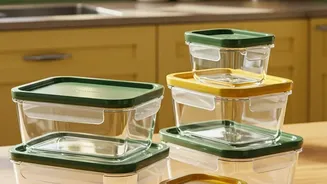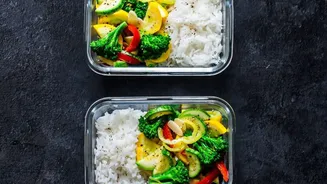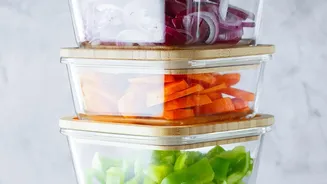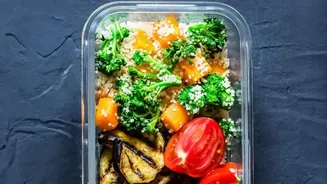


Batch cooking is a fantastic way to save time and ensure you have healthy vegetarian meals on hand. But all that effort is wasted if the food isn't stored safely. Getting the facts on storage is key to enjoying your meals without worry.
Cooling Down: The First Critical Step
The single most
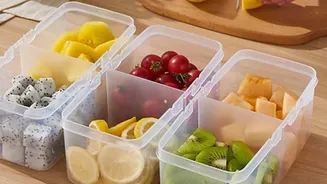
important phase for food safety happens right after cooking. It's the cooling process. Bacteria multiply fastest in what's known as the 'danger zone', a temperature range between 40°F (4°C) and 140°F (60°C). Your goal is to get your cooked food through this zone as quickly as possible. Leaving a large pot of lentil soup or a tray of roasted vegetables on the counter to cool slowly is a common mistake. Instead, you should aim to get hot food refrigerated within two hours of cooking. To speed up the process, divide large quantities into smaller, shallow containers. This increases the surface area and allows the food to cool down much faster, preventing bacteria from gaining a foothold.
Fridge Life: A 3 to 4-Day Guide
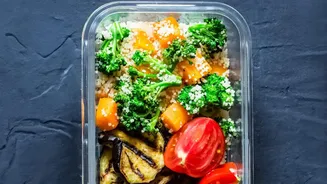
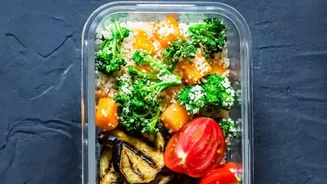
Once properly cooled, the refrigerator is your go-to for meals you plan to eat in the near future. According to USDA guidelines, most cooked leftovers, including vegetarian dishes, can be safely stored in the fridge for three to four days. This applies to common batch-cooked items like vegetable curries, bean stews, grain bowls, and roasted root vegetables. To ensure safety, your refrigerator should be set to 40°F (4°C) or below. Use airtight containers to prevent cross-contamination and keep your food fresh. If you've prepped more food than you can eat within this four-day window, it's time to turn to the freezer.
Handle with Care: The Deal with Rice
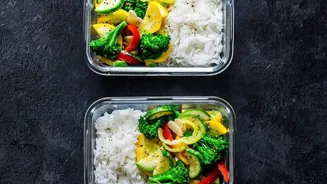
Cooked rice deserves special attention in any batch cooking plan. Uncooked rice can contain spores of a bacterium called Bacillus cereus, which can survive the cooking process. If cooked rice is left at room temperature for too long, these spores can germinate and produce toxins that cause food poisoning. Crucially, reheating the rice will not destroy these toxins once they have formed. For this reason, it is vital to cool cooked rice as quickly as possible—ideally within one hour—and store it in the fridge. Many food safety authorities recommend consuming refrigerated rice within one day. When in doubt, it is always safest to cook rice fresh.
Freezing for Future Feasts
The freezer is a batch-cook's best friend, allowing you to store meals for much longer. Most prepared vegetarian dishes, like soups, stews, and curries, freeze very well for up to three months without a significant loss in quality. To get the best results, cool food completely before freezing it; placing warm food in the freezer can create steam, leading to ice crystals and freezer burn. Use freezer-safe bags or airtight containers, removing as much air as possible before sealing. Portioning meals before freezing makes life easier later. Freezing soups or sauces flat in bags is a great space-saving trick. Remember to label everything with the dish name and the date it was frozen.
The Art of the Safe Reheat
When it's time to eat your stored meals, reheating them properly is the final safety step. Whether you use a microwave, stovetop, or oven, the goal is to bring the food to an internal temperature of 165°F (74°C) to kill any bacteria that might have developed. A food thermometer is the only reliable way to ensure you've hit this target. When reheating sauces, soups, and gravies, bringing them to a rolling boil is a good visual indicator. If using a microwave, cover the food and stir it partway through to eliminate cold spots and ensure even heating. It's generally advised to only reheat leftovers once to maintain both safety and quality.