




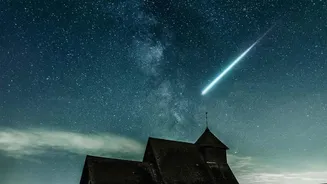

Cosmic Debris from Halley's Comet
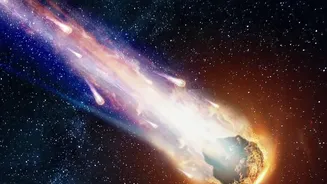
So, what exactly are we seeing when we spot an Orionid meteor? These shooting stars are not stars at all. They are tiny fragments of dust and ice shed by none other than Comet 1P/Halley, arguably the most famous comet in history. Each October, Earth passes
through the orbital path of Halley's Comet, and this trail of ancient debris slams into our atmosphere at tremendous speed—about 66 kilometres per second. The friction causes these particles, many no larger than a grain of sand, to burn up in a brilliant flash of light. The parent comet itself only visits the inner solar system every 76 years, with its last pass in 1986 and its next return scheduled for 2061. Watching the Orionids is like seeing tiny, glittering ghosts of a cosmic celebrity.
When and How to Watch in 2026
Mark your calendars. The Orionid meteor shower will be active from early October through early November, but the best time to watch will be during its peak. For 2026, the peak is predicted for the night of October 21st and into the early morning hours of October 22nd. As with most meteor showers, the most impressive activity occurs after midnight and before the sky begins to brighten with the dawn sun. This is when the part of Earth you are on is facing directly into the oncoming stream of cometary debris. On a good night, from a truly dark location, observers can typically expect to see about 15 to 25 meteors per hour during the peak.
The Challenge: A Bright Moon
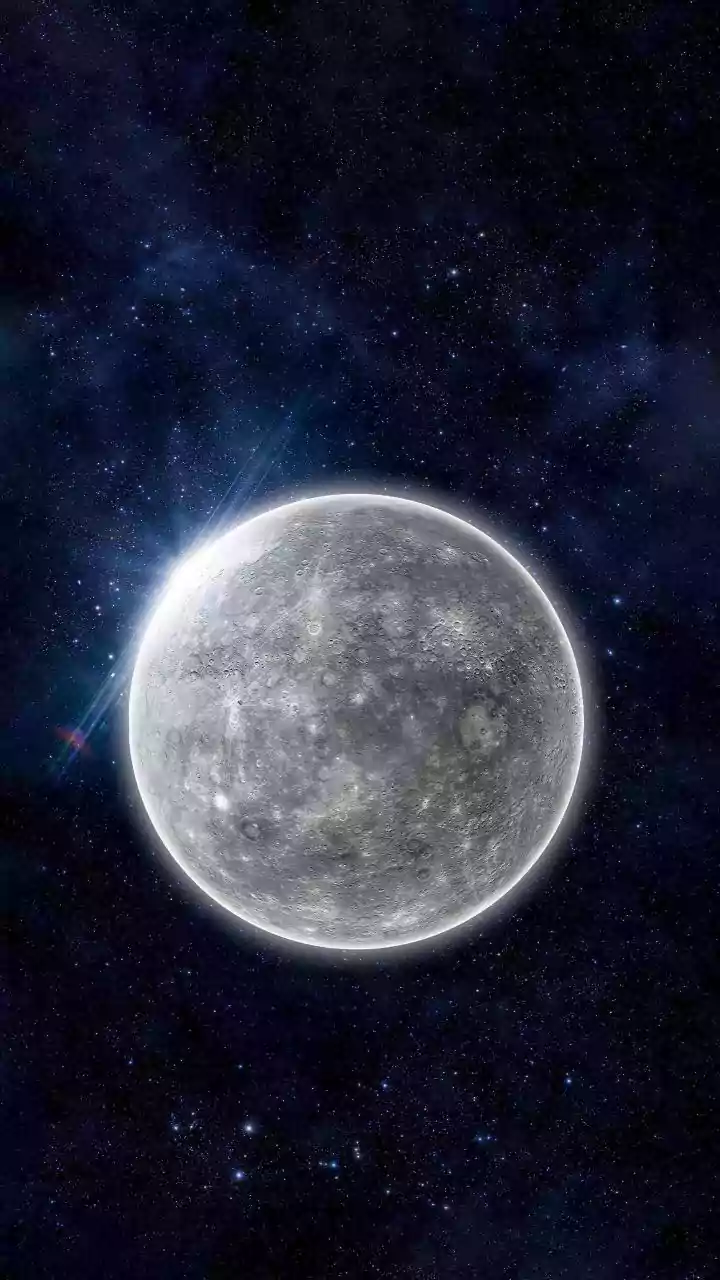
There is one significant challenge for would-be stargazers in 2026: a bright moon. During the peak night, the moon will be in a waxing gibbous phase, meaning it will be over 75% illuminated and will light up the sky for most of the night. This natural light pollution can wash out the fainter meteors, drastically reducing the number you might see. But don't lose hope. There is a prime viewing window. The moon is expected to set a few hours before sunrise. This means the best opportunity to see the Orionids will be in the pre-dawn darkness, roughly between 3 a.m. and 5:30 a.m. local time, after the moon has disappeared below the horizon. This period of true darkness will be your golden hour for meteor spotting.
Your Ultimate Viewing Checklist
You don’t need any fancy equipment to enjoy the show. In fact, telescopes and binoculars are not recommended as they restrict your field of view. Your eyes are the best tools for the job. To maximize your experience, find a location as far away from city lights as possible. Light pollution from cities like Delhi, Mumbai, or Bengaluru can obscure all but the brightest meteors. Find an open field or a dark spot with an unobstructed view of the sky. Once you've settled in, give your eyes at least 20 to 30 minutes to fully adapt to the darkness—and that means putting your phone away. A reclining chair or a simple blanket on the ground will save you from neck strain. Lie back, look straight up, and be patient. The meteors will appear randomly and can streak across any part of the sky.
Where to Point Your Gaze
The shower is named the Orionids because the meteors appear to radiate from a point within the constellation of Orion the Hunter. You can find Orion rising in the east after midnight. However, you should not stare directly at this radiant point. Meteors seen near the radiant will have very short trails and be hard to spot. For a more spectacular view, focus your gaze about 45 to 90 degrees away from Orion. The meteors you see further from the radiant will appear longer and more dramatic as they streak across the celestial canvas. The Orionids are known for being particularly fast, and some of the brighter ones can leave behind a glowing trail called a persistent train, which can linger in the sky for several seconds. So, find a comfortable position, take in as much of the sky as possible, and let the show come to you.