



The Allure of Unspoiled Serenity
In a world that never seems to slow down, Bhutan offers a rare and precious commodity: peace. This Himalayan kingdom famously measures its progress in Gross National Happiness, a philosophy that prioritizes the well-being of its people and the preservation
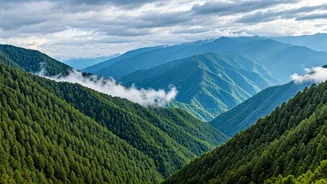
of its environment over economic growth. The result is a destination that feels untouched by the frantic pace of modern life. For couples, this translates into an opportunity to disconnect from daily distractions and reconnect with each other. The country’s “High Value, Low Volume” tourism policy intentionally limits visitor numbers, ensuring that its sacred sites and natural landscapes remain uncrowded and pristine. Imagine walking through quiet mountain villages or standing before an ancient fortress without navigating through hordes of tourists—this is the unique tranquility Bhutan provides.
Paro and Punakha: Valleys of Romance
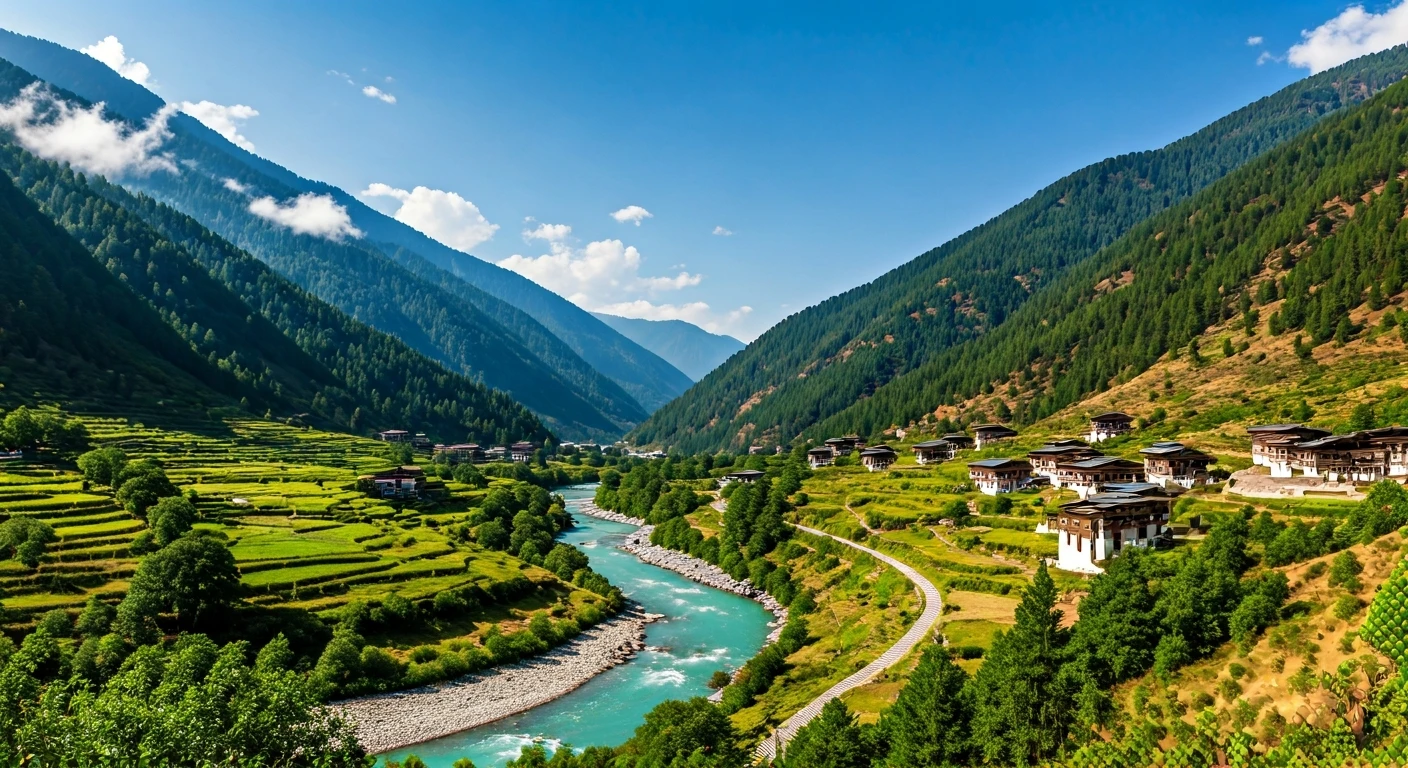
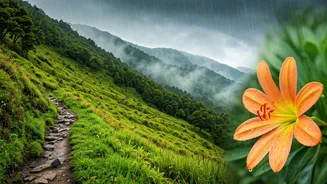
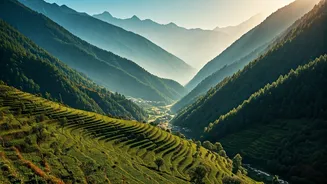
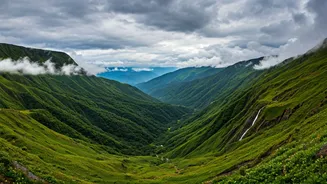
At the heart of Bhutan's romantic appeal are its breathtaking valleys, particularly Paro and Punakha. The Paro Valley, surrounded by lush green hills, is home to the iconic Paro Taktsang, or Tiger's Nest Monastery, a sacred site that seems to float on a cliffside 3,000 feet above the valley floor. The shared journey of hiking to this spiritual landmark is often described as a bonding and transformative experience for couples. Further east lies the Punakha Valley, a subtropical paradise where two rivers, the Pho Chhu and Mo Chhu, converge. Here, the magnificent Punakha Dzong, often called the “Palace of Great Happiness,” stands amidst blooming jacaranda trees in the spring, creating one of the most photographed and romantic scenes in the country. Its warmer climate makes it ideal for gentle riverside walks and picnics.
Intimate Experiences for Two
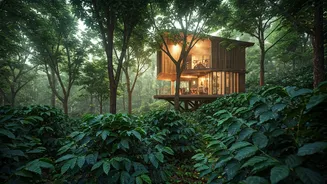
Beyond the stunning landscapes, Bhutan offers a wealth of experiences perfectly suited for couples. A popular indulgence is a traditional hot stone bath, where river stones are heated and placed in a wooden tub, releasing minerals into the water for a deeply relaxing soak—an ideal way to unwind after a day of hiking. Many luxury lodges and boutique hotels are designed for intimacy, offering private villas with mountain views and couple's spa treatments. For the adventurous, there are gentle treks through rhododendron forests, while culturally curious couples can join monks for morning prayers, receive a blessing at the famous Chimi Lhakhang (the “Fertility Temple”), or even take a Bhutanese cooking class together. These shared activities create meaningful memories that go far beyond a typical vacation.
Planning Your Escape: A Guide for Indian Travellers
For Indian nationals, travelling to Bhutan is refreshingly straightforward. No visa is required; a valid Indian passport or voter ID card is sufficient to obtain an entry permit online or upon arrival. However, all tourists, including Indians, are required to pay a Sustainable Development Fee (SDF). For Indian nationals, this fee is set at a concessional rate of INR 1,200 per person, per night. Children aged 6-12 pay a 50% reduced rate, while those under 6 are exempt. This fee directly supports Bhutan's conservation efforts, cultural preservation, and free healthcare and education for its citizens, ensuring that your visit contributes positively to the kingdom's unique vision. The best times to visit are during the spring (March to May) when valleys are filled with flowers, and autumn (September to November) when the skies are clear, offering spectacular Himalayan views. Flights are available to Paro, the country's only international airport, and booking through a registered tour operator is highly recommended to handle all logistics seamlessly.