




Understanding 'Off-Peak' and 'Shoulder' Seasons
When planning a trip, most people think in terms of peak season (like December holidays or summer vacation) and off-season (typically the monsoon). Peak season means high demand, crowded sights, and inflated prices for everything from hotels to taxis.
The off-season, from June to September, often brings heavy rains to regions like Coorg and Wayanad, but also lush landscapes and lower costs. However, the real sweet spot for travellers is the 'shoulder season'. These are the transitional months right before or after the peak tourist rush—think October to November or late February to March. During this time, the weather is often still pleasant, the crowds have thinned out, and accommodation prices become much more reasonable.
The Post-Monsoon Advantage
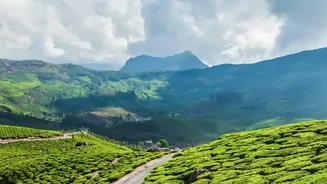
For destinations surrounding Bengaluru, the period from late September to November is a magical window. The monsoon rains have subsided, leaving the Western Ghats draped in vibrant green. Hill stations like Coorg, Chikmagalur, and Wayanad are at their most picturesque, with full waterfalls and clear, crisp air. This is technically a shoulder period, so while the weather is fantastic, the peak tourist wave of December and January hasn't arrived yet. Resorts and homestays that would be fully booked or exorbitantly priced just a month later often offer significant discounts. You get the best of both worlds: post-monsoon beauty without the peak-season chaos.
Embracing the Monsoon Getaway
While many travellers avoid the monsoon (June to September), it presents a unique opportunity for deep discounts and a different kind of travel experience. Destinations like Coorg and the Malnad region become incredibly lush and atmospheric. Imagine sipping fresh coffee on the verandah of a plantation homestay while watching the mist roll through the hills. Many resorts, especially luxury ones, offer special monsoon packages at a fraction of their peak-season rates to attract visitors. It's the perfect time for a cosy, relaxed escape focused on indoor activities, enjoying the dramatic scenery, and taking advantage of lower prices. However, it's wise to check road conditions before you travel, as heavy rains can sometimes cause disruptions.
The Pre-Summer Lull
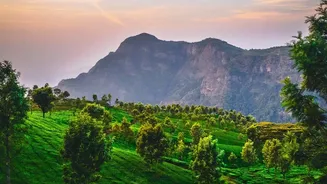
Another strategic window falls between February and April, after the winter crowds have dispersed but before the intense summer heat sets in. This is an excellent time for wildlife-focused trips to places like Bandipur or Kabini National Parks. As water sources begin to dry up, animals are more frequently spotted near the remaining lakes and rivers, increasing the chances of sightings. Hill stations like Ooty and Kodaikanal are also pleasant during this time, offering cool weather without the winter chill or the summer holiday rush. While not as cheap as the monsoon, this shoulder season provides a great balance of good weather, fewer people, and moderate pricing.
How to Find and Book Off-Peak Deals
Finding these discounts requires a bit of flexibility and proactive planning. Start by being flexible with your dates; using the 'flexible dates' feature on flight and hotel booking websites can reveal significant price differences. Travelling midweek (like on a Tuesday or Wednesday) instead of on a Friday is often cheaper. Setting up price alerts for flights and hotels for your desired destinations can notify you when prices drop. Don't hesitate to call hotels and homestays directly, especially smaller, independent properties. They are often more willing to offer special rates for off-season or shoulder-season bookings than what you might find on large booking platforms. Finally, avoid long weekends connected to major public holidays, as these are mini-peak seasons when prices invariably spike.