






From Tourist Hotspot to Tech Haven
The Island of the Gods has always been a magnet for travellers, but the global shift to remote work has introduced a new, more permanent guest: the digital nomad. Among this group, Indian tech professionals are a rapidly growing demographic. For many,
Bali offers a compelling blend of a manageable time zone (just 2.5 hours ahead of IST), a vibrant culture, and a lifestyle that stands in stark contrast to the hectic pace of India's Tier-1 cities. The pandemic proved that high-value tech work could be done from anywhere with a stable internet connection, prompting a wave of talent to look beyond traditional office life for a 'workation' that blends productivity with paradise.
Understanding the New Guest
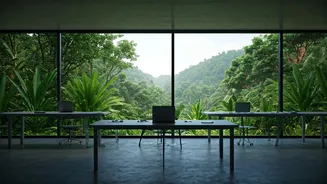
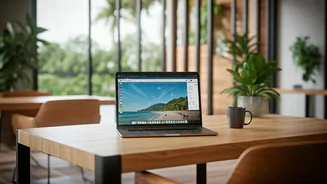
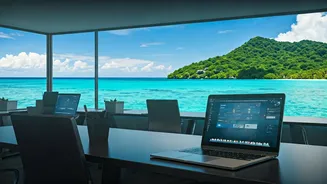
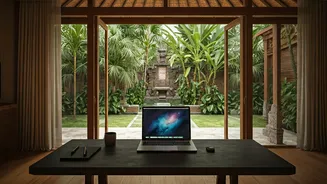
Unlike a typical tourist staying for a week, these long-stay professionals have a different set of needs. Their primary requirement is not a poolside bar, but flawless, high-speed internet. They are not just booking a room; they are seeking a functional, comfortable office with a better view. This new client base prioritises quiet spaces for focused work, communal areas for networking, and accommodations that offer monthly or long-term rates. Their presence demands a shift in mindset for accommodation providers, from serving transient holidaymakers to catering to semi-permanent residents who are integrating their work and daily lives.
The Pivot: How Accommodations are Adapting
In response, Bali's accommodation sector is making significant changes. Hotels, villas, and guesthouses in hubs like Canggu, Ubud, and Seminyak are now actively marketing 'workation' packages. The most crucial upgrade has been in digital infrastructure. Many establishments now boast high-speed internet, with some even offering premium connections like Starlink to guarantee uninterrupted connectivity for video calls and heavy data tasks. Beyond Wi-Fi, properties are reconfiguring spaces. Private villas are being advertised with dedicated work desks, hotels are creating co-working lounges, and some have even built purpose-built digital nomad hostels designed for both work and community. Monthly rental discounts, inclusive utility bills, and on-site amenities like gyms and cafes are becoming standard offerings to attract this lucrative market.
More Than Just a Room with Wi-Fi
The most successful accommodation providers understand that they are selling more than just a place to sleep and work. They are facilitating a lifestyle. This means fostering a sense of community. Many co-living spaces and hotels now organize networking events, skill-sharing workshops, and social gatherings to help remote workers connect with like-minded individuals. This ecosystem is a major draw, as it helps combat the isolation that can sometimes accompany remote work. Places like Canggu and Ubud have developed a reputation for their vibrant nomad communities, supported by a network of cafes, wellness studios, and recreational activities that cater specifically to this demographic.
Government Support and Visa Pathways
This trend is also being encouraged by Indonesian policy. While a formal, five-year digital nomad visa has been discussed, the current visa landscape is already accommodating. Indian nationals can use a Visa on Arrival (VoA), extendable for up to 60 days, which is suitable for short-term stays. For those planning a longer sojourn, options like the B211A visa allow for stays up to 180 days. More recently, Indonesia launched the E33G Remote Worker Visa in 2024, which permits a one-year stay for those who work for companies outside Indonesia and meet an income threshold of USD 60,000 annually. These official pathways provide the legal framework that gives both workers and accommodation providers the confidence to invest in long-term arrangements.