



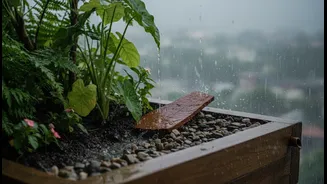


The Monsoon Drainage Dilemma
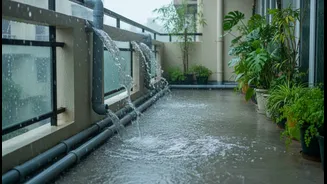
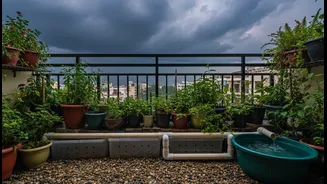
For container plants, the deluge of the Indian monsoon presents a critical challenge: overwatering. Unlike plants in the ground, balcony pots have a finite volume of soil and limited escape routes for excess water. When relentless rain saturates the pot,
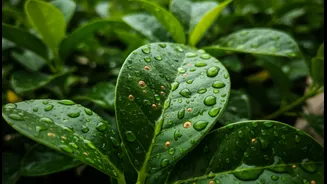
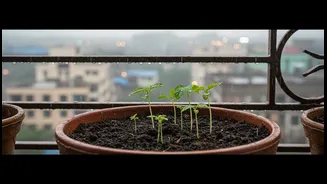
water fills the air pockets in the soil that roots need to breathe. This leads to waterlogging, a condition that can cause root rot, one of the most common reasons for plant death during this season. High humidity also encourages fungal growth on leaves and in the soil, while the force of heavy rain can compact the soil, further reducing its ability to drain effectively.
Upgrade 1: The Pot Itself
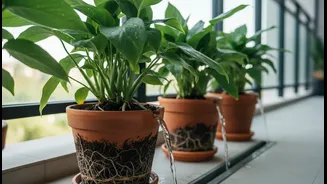
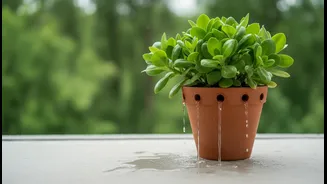
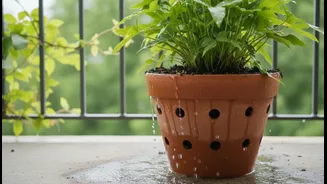
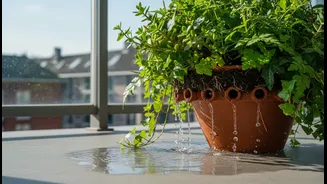
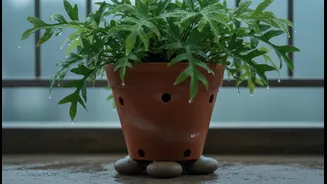
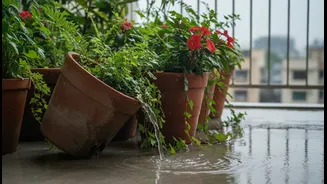
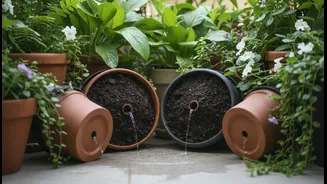
The first line of defence is the container. Ensure every pot has at least one, and preferably multiple, drainage holes. If you're using decorative planters without holes, you can either drill them yourself or use the 'double potting' method: place a smaller pot with drainage inside the larger decorative one, and be sure to empty the outer pot after rain. A simple but crucial upgrade is to elevate your pots. Placing them on 'pot feet', bricks, or simple stands allows water to flow out freely and prevents the drainage holes from getting blocked by the balcony floor. This small gap for airflow underneath is vital. Also consider your pot material; porous terracotta dries out faster than plastic, which can be an advantage in the damp monsoon months.
Upgrade 2: A Smarter Soil Mix
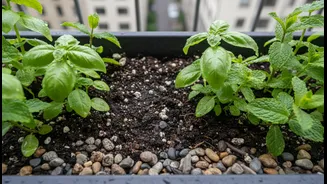
Garden soil is too dense for containers and compacts easily, leading to poor drainage. A modern, upgraded potting mix is light, airy, and designed to let water pass through. You can create your own superior blend. A good recipe is a mix of garden soil, compost, and materials that improve aeration and drainage. Key amendments include cocopeat (an alternative to peat moss), which helps retain moisture without becoming soggy, and perlite (light volcanic glass) or coarse sand to create air pockets. Mixing in 20-30% of these gritty materials can dramatically improve your soil's structure and prevent it from becoming a dense, waterlogged brick.
Upgrade 3: Rethinking Layers and Mulch
For years, gardeners were told to put a layer of gravel at the bottom of pots. However, this is now widely considered an outdated practice that can actually impede drainage by creating a perched water table. Instead, focus on a uniformly excellent soil mix from top to bottom. What is beneficial, however, is adding a layer of mulch on top of the soil. A 2-3 inch layer of organic mulch like wood chips, straw, or dried leaves prevents heavy rain from splashing away topsoil and causing erosion. It also helps to suppress weeds and maintain a more consistent soil environment, but be sure to keep the mulch from touching the plant's stem directly to avoid rot.
Upgrade 4: Proactive Plant Care
Managing your plants during the monsoon also requires a few tactical shifts. First, stop all fertilising. Constant rain leaches nutrients from the soil, and adding fertiliser to waterlogged soil can burn the roots instead of feeding them. It's also a good time for strategic pruning. Trimming dense foliage improves air circulation around the plant, which helps leaves dry faster and reduces the risk of fungal diseases like powdery mildew. Finally, be vigilant about pests. The damp conditions are ideal for slugs, snails, and various insects. Regularly inspect your plants and consider using a natural deterrent like neem oil spray to keep them at bay.