





The Monsoon Menace for Balcony Gardens
The Indian monsoon brings life-giving rain, but for the urban gardener, it often brings a wave of anxiety. Balcony pots can flood within minutes during a downpour. This excess water suffocates plant roots by filling air pockets in the soil, leading to
a condition called root rot. Symptoms include yellowing leaves, wilting, and stunted growth—ironically, the plant looks thirsty even when drowning. Beyond harming the plants, waterlogging creates a mess on the balcony floor, can damage flooring over time, and creates a breeding ground for pests and fungal diseases.
Traditional Fixes and Their Flaws
Gardeners have tried various methods to combat heavy rain. Moving smaller pots to a sheltered corner is a common tactic, but it's not feasible for larger planters or vertical gardens. Ensuring pots have adequate drainage holes and are placed on elevated stands can help, but a torrential downpour can still overwhelm them. Some people resort to covering plants with temporary plastic sheets, but these can trap humidity, block sunlight, and need to be removed immediately after the rain stops to prevent other issues. These methods are often reactive and require constant vigilance, which isn't always practical.
The Rise of Modular Rain Shield Barriers
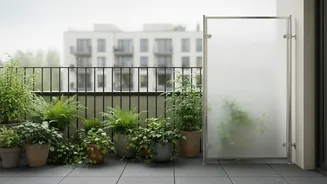
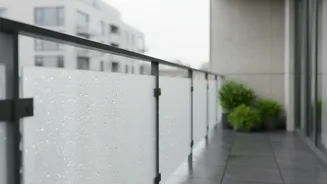
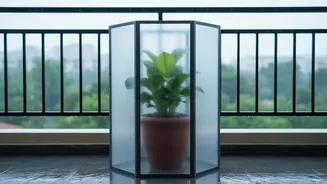
A more permanent and effective solution comes in the form of modular rain shield barriers. These are essentially screens or panels designed to protect balconies from the elements. Often made from durable, waterproof, and transparent materials like PVC or specially treated fabrics, they act as a buffer against driving rain and strong winds. Unlike permanent enclosures, many of these systems are modular and retractable, offering the flexibility to shield your garden when needed and open up the balcony in fair weather. They are a proactive solution, creating a controlled environment for your plants.
How Rain Shields Prevent Waterlogging
Modular rain shields solve the waterlogging problem at its source: they stop the deluge of water from ever reaching the pots. By deflecting the vast majority of rainwater, they allow you to remain in control of your plants' watering schedule. Even during a heavy storm, the soil in your pots receives only minimal moisture, if any. This prevents the soil from becoming saturated, protecting root systems from suffocation and rot. Furthermore, these shields reduce the force of wind, which can otherwise damage delicate plants and knock over pots. The barrier creates a calmer, drier microclimate on your balcony.
Benefits Beyond Plant Protection
The advantages of installing rain shields extend beyond preventing waterlogging. They keep your entire balcony cleaner and drier, reducing the risk of slippery floors and water damage to the building's structure. This makes your outdoor space more usable, even during the rainy season. You can enjoy your balcony without worrying about soaked furniture or muddy puddles. Many modern barriers are made from UV-resistant materials, offering the added benefit of protecting both your plants and your outdoor furniture from harsh sunlight. They can also serve as privacy screens, adding a sense of seclusion to your urban oasis.
Choosing and Installing Your Shield
When selecting a rain shield, consider your balcony's specific needs. Options range from simple, transparent PVC roll-up blinds to more sophisticated zip-track systems that provide a complete seal against the elements. Look for durable, waterproof materials with reinforced edges and secure anchoring points to withstand strong winds. While some simpler systems are suitable for DIY installation, more complex motorized or track-based barriers may require professional help to ensure they are fitted securely and safely. Always check your building's regulations before installing any permanent fixtures.