



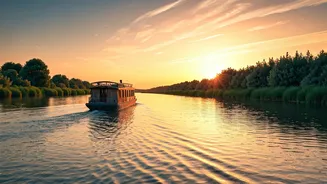


A Shift in Travel Priorities
The post-pandemic travel landscape in India reveals a significant shift, especially among younger demographics. There's a burgeoning desire to move beyond conventional sightseeing and embrace unique, immersive journeys. According to industry reports,
experiential travel is on a massive growth trajectory in India, projected to become a significant market driven primarily by Gen Z and millennials. This generation, accounting for a large portion of travel revenue, is increasingly prioritising meaningful experiences over material possessions. They aren't just looking for a holiday; they're seeking stories, connections, and a deeper understanding of their own country.
The Allure of 'Slow Travel' and Digital Detox
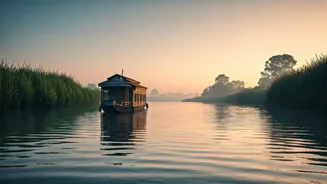
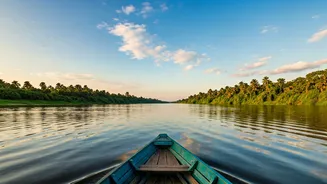
For urban youth navigating high-pressure jobs and a constantly connected digital life, the concept of 'slow travel' is incredibly appealing. A luxury Brahmaputra cruise is the antithesis of a rushed, multi-city itinerary. It is, by its very nature, leisurely. Days are dictated by the river's pace, with ample time to relax on the sundeck, watch the world drift by, and disconnect. Many young travellers express a desire for a digital detox, a chance to escape constant notifications and be present in the moment. The limited and sometimes spotty Wi-Fi on a river vessel is often seen not as a drawback, but as a feature, facilitating a genuine escape from the daily grind.
Redefining Luxury: Experience is the New Amenity
Luxury for this new generation of travellers isn't just about five-star hotels and fine dining, though those are certainly appreciated. True luxury lies in exclusivity and authenticity. It's about having access to experiences that are out of the ordinary. A Brahmaputra cruise offers this in spades. It provides access to a remote and often inaccessible part of India, all from the comfort of a well-appointed, floating boutique hotel. Excursions are not to crowded tourist traps but to unique cultural and natural sites: visiting the monastic Satras on Majuli island, exploring remote riverside villages, and enjoying jeep safaris in Kaziranga National Park to see the one-horned rhinoceros. This is the new definition of a premium experience: intimate, immersive, and unforgettable.
What a Brahmaputra Cruise Actually Involves
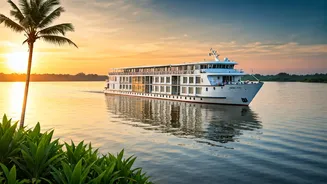
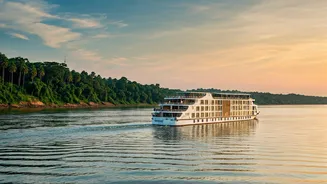
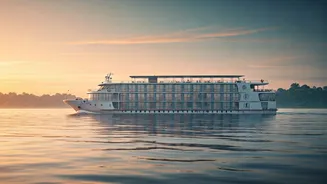
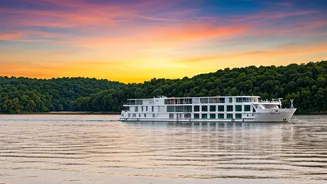
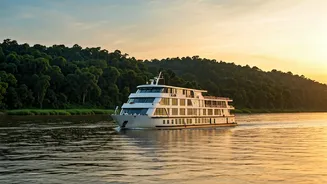
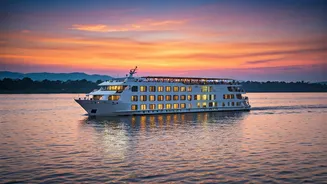
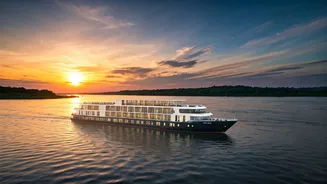
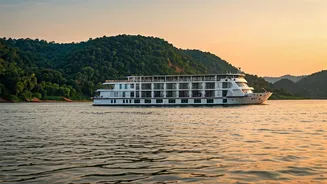
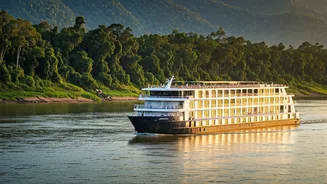
These are not massive ocean liners. The luxury vessels plying the Brahmaputra are intimate, often with fewer than 25 cabins. They feature comfortable, air-conditioned rooms with large windows for panoramic views, sundecks, a dining room serving local Assamese and other cuisines, and sometimes even a spa or gym. A typical day might start with yoga on the deck, followed by a shore excursion. Afternoons are for cruising, reading, and watching for Gangetic dolphins. Evenings involve briefings about the next day's adventures and cultural performances. The service is highly personalised, and the all-inclusive nature of many cruises adds to the hassle-free appeal that busy young professionals value.
The 'Dekho Apna Desh' Effect
There's a palpable sense of rediscovery among young Indians. Having explored international destinations, many are now turning their gaze inward, seeking to explore the incredible diversity of their own nation. The Brahmaputra, a river that is both mighty and mystical, offers a journey into a part of India that remains relatively unexplored. It's a chance to connect with the nation's heritage and biodiversity, from ancient temples to UNESCO World Heritage sites like Kaziranga. This trend aligns with a broader movement of appreciating and promoting domestic tourism, where travellers find that world-class, life-changing adventures can be found right here at home.