






Embrace the 'Minimum Effective Dose'
In fitness, the 'Minimum Effective Dose' (MED) refers to the smallest amount of effort needed to produce a real improvement in strength or muscle growth. This concept, borrowed from medicine, argues that anything beyond this point yields diminishing returns
and can increase injury risk. Instead of aiming for five gruelling sessions a week, which can lead to burnout, the focus is on a sustainable and realistic training volume. Research shows that as few as two to three resistance training sessions per week are enough to produce significant gains. For many, just four to eight hard sets per muscle group per week can stimulate growth, a far cry from the 15-25 sets often promoted in traditional programs. This approach isn't about doing the absolute minimum, but about being efficient and consistent to achieve meaningful, long-term results.
Prioritise Compound Movements for Efficiency
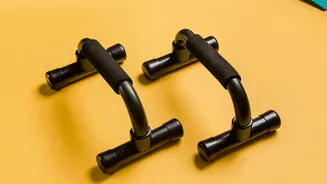
The key to making minimal sessions work is choosing the right exercises. Compound exercises are your best friend here. These are multi-joint movements that work several muscles at once, making your workouts incredibly efficient. Think squats, deadlifts, push-ups, and lunges. A single squat, for example, engages your quadriceps, glutes, hamstrings, and core. Because they recruit multiple large muscle groups, compound exercises burn more calories, improve functional strength for daily activities, and boost your heart rate more effectively than isolation exercises like bicep curls. By building your routine around these foundational movements, you can get a full-body workout in less time, making it easier to stick to your schedule.
Designing Your Weekly Template
General health guidelines recommend at least two strength training sessions per week, alongside 150 minutes of moderate aerobic activity. A simple and effective plan is to schedule two or three full-body workouts on non-consecutive days (e.g., Monday, Wednesday, and Friday) to allow for recovery. A typical session could include 3-4 compound exercises, with 2-3 challenging sets for each. For instance, you could structure your week with two different full-body workouts (Workout A and Workout B) and alternate between them. This prevents monotony and ensures all major muscle groups are worked. The goal is consistency, not perfection; showing up for these few sessions each week builds a powerful habit.
Making Your Plan Truly Flexible
Flexibility means your plan can adapt to real life. If you miss a planned workout, don't panic or give up. The 'all-or-nothing' mentality is the enemy of consistency. Simply shift your workout to the next day or accept that one missed session won't derail your progress. Flexibility also means listening to your body. If you're feeling energetic, you might push the intensity. If you're tired, you could opt for a lighter session or even just a long walk. You can also break up your activity into smaller chunks. Three 10-minute bursts of activity throughout the day can be just as beneficial as one 30-minute session. The best plan is the one you can stick with long-term, and that requires a degree of adaptability.
Beyond the Workout: Stay Active Daily
A minimal workout plan doesn't mean being sedentary the rest of the time. The small choices you make every day add up significantly. Incorporate more movement into your daily routine by taking the stairs instead of the elevator, parking farther away from your destination, or doing stretches during a break from your desk. Walking is a highly underrated form of exercise that improves cardiovascular health and is accessible to everyone. Even short bouts of activity, like doing a few squats while waiting for your coffee to brew, contribute to your overall health and wellness. This approach helps build momentum and keeps your body active, complementing your structured workout sessions without feeling like a chore.