


The Current State of Play
Across India, the story is often the same. Aspiring athletes train on uneven grounds, risking injury with every step. Many public parks and school playgrounds, which should serve as the bedrock of community sport, suffer from neglect. We see broken swings,
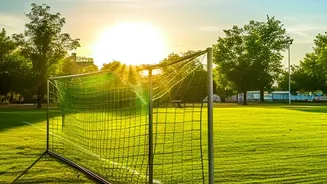
rusted goalposts, and a lack of basic amenities like clean drinking water or functional toilets. This isn't just an inconvenience; it's a significant barrier. When parents see a field littered with glass or a park with no lighting after dusk, their natural instinct is to keep their children at home, stifling participation before it even begins. The urban-rural divide further exacerbates this issue, with rural areas having even fewer dedicated and maintained spaces for sport.
Safety as a Non-Negotiable
The conversation about grassroots sports must start with safety. A child cannot develop a love for the game if they are constantly worried about twisting an ankle on a potholed pitch or getting hurt on dilapidated equipment. In many communities, open grounds that could be used for sport are often unsafe, becoming hotspots for anti-social behaviour due to poor lighting and lack of oversight. This creates a powerful disincentive for participation, especially for girls and young women, for whom safety concerns are paramount. Creating a secure environment is the first step in building trust with the community and encouraging parents to let their children engage in healthy, outdoor activities.
Beyond the Basics: Usability and Management
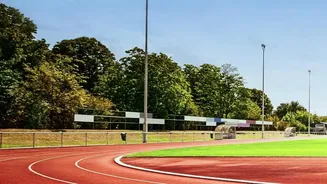
A facility is more than just a patch of land. To be truly effective, it must be usable and well-managed. This means having grounds that are properly maintained, courts that are correctly marked, and spaces that are allocated fairly among community members. Effective management involves creating a schedule, ensuring the facility is clean and operational, and fostering a sense of community ownership. Without proper management, even the best infrastructure can fall into disuse and disrepair. Government initiatives like the Khelo India scheme aim to address this by funding infrastructure projects, but their success hinges on long-term maintenance and community involvement to ensure these assets serve their purpose for years to come.
The Ripple Effect on Community Health
The benefits of high-quality local sports facilities extend far beyond the playing field. They are vital hubs for community well-being. Accessible recreational spaces encourage physical activity, helping to combat rising rates of childhood obesity and sedentary lifestyles. These facilities also serve as social centres where neighbours connect, fostering a stronger sense of community and social cohesion. By providing a positive outlet for young people, they can help reduce juvenile delinquency and create safer neighbourhoods. Investing in a local park or sports complex is an investment in public health, social capital, and the overall quality of life for everyone in the community.
A Blueprint for the Future
Transforming India's grassroots sports landscape requires a multi-pronged approach. Government programmes like Khelo India, which aim to build sports infrastructure at the district level, are a crucial component. However, top-down approaches must be complemented by local action. Public-private partnerships can bring in much-needed funds and management expertise to revitalise community spaces. Empowering local clubs and resident welfare associations to take ownership of their facilities can ensure they are maintained and utilized effectively. Ultimately, the goal is to create a sustainable ecosystem where talent is not lost due to a lack of safe and accessible places to play.