




An Engine Room of Unprecedented Scale
Meta's investment in artificial intelligence is staggering. For 2026 alone, the company has budgeted between $135 billion and $145 billion for capital expenditures, with the vast majority earmarked for AI infrastructure. This figure represents a monumental
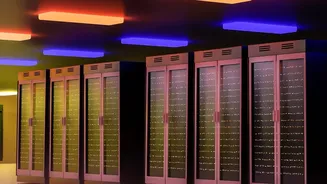
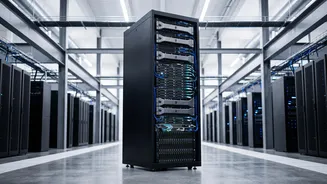
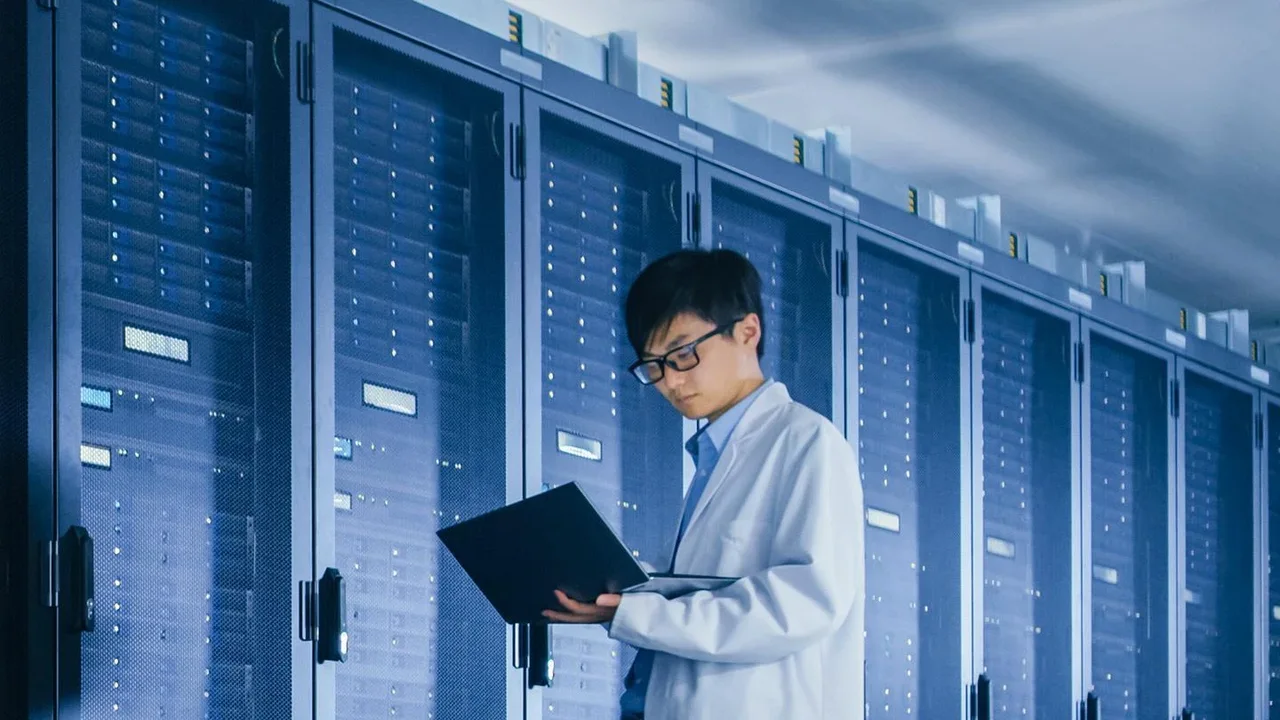
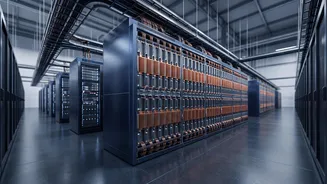
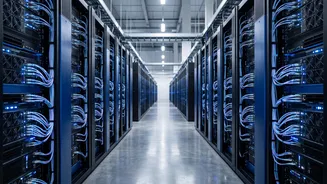
increase from previous years and signals a deep strategic pivot toward dominating the next generation of AI. The spending is directed at a global network of massive data centres, often called 'AI factories', filled with specialized servers and cutting-edge processing chips from companies like Nvidia and AMD. Projects include the Hyperion campus in Louisiana, a facility reportedly the size of Manhattan, and a $14 billion joint venture with BlackRock in Texas, demonstrating the immense physical footprint required for Meta's digital ambitions.
A New Captain for a High-Stakes Voyage
To oversee this monumental undertaking, Meta has brought in Dave Brown, a veteran of cloud computing who spent nearly two decades at Amazon Web Services, where he was a senior vice president overseeing compute and machine-learning services. Brown, who joined Meta in July 2026, will succeed longtime infrastructure chief Santosh Janardhan in early 2027. Janardhan, who has been with the company since 2009, will stay on through the first quarter of 2027 to ensure a smooth transition. Brown's appointment is significant; he brings deep experience in building and operating reliable, large-scale infrastructure for demanding workloads, a skill set that is now critical as Meta pours billions into its AI future. He will also serve as the chief technical officer of Meta Compute, the initiative responsible for the company's long-range computing strategy.
The Strategic Gamble Behind the Spending
This leadership change and massive investment are not happening in a vacuum. They are a direct response to the escalating AI arms race, where companies like Google, Microsoft, and OpenAI are also investing heavily. For Meta, the goal is twofold. First, to enhance its existing family of apps—Facebook, Instagram, and WhatsApp—which reach over 3.5 billion people daily, with powerful new AI-driven features for improved engagement and ad targeting. Second, and more ambitiously, is the long-term vision of building 'personal superintelligence' and dominating the next wave of AI agents. However, the spending spree has raised eyebrows among investors, especially after the company reported negative free cash flow of $2.12 billion in the third quarter of 2026, a direct result of its infrastructure expenditures. S&P Global even revised its outlook on Meta's credit rating to negative, citing the financial pressure.
The Immense Challenges Ahead
Dave Brown inherits an operation of immense complexity and risk. Building AI data centres at this scale presents enormous engineering challenges, from securing near-city levels of electrical power to developing advanced liquid cooling systems to manage the intense heat generated by thousands of processors working in unison. These 'AI factories' are so power-hungry and water-intensive that they face increasing scrutiny from local communities and regulators over their environmental impact. Furthermore, there are supply chain bottlenecks for critical components like transformers and GPUs, which can delay projects and inflate costs. Brown's central task will be to navigate these hurdles to turn Meta's billions in spending into functional, efficient computing power, all while under intense pressure to demonstrate a return on this historic investment.