



Choose Your Destination Wisely
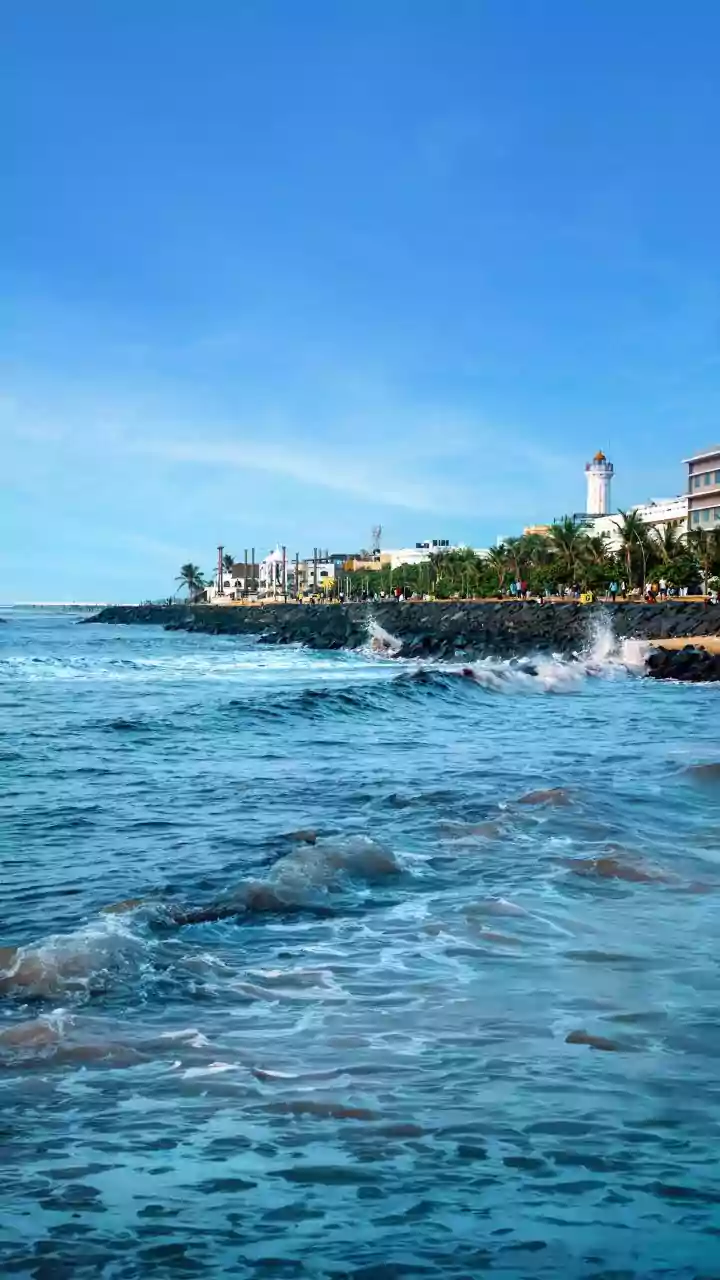
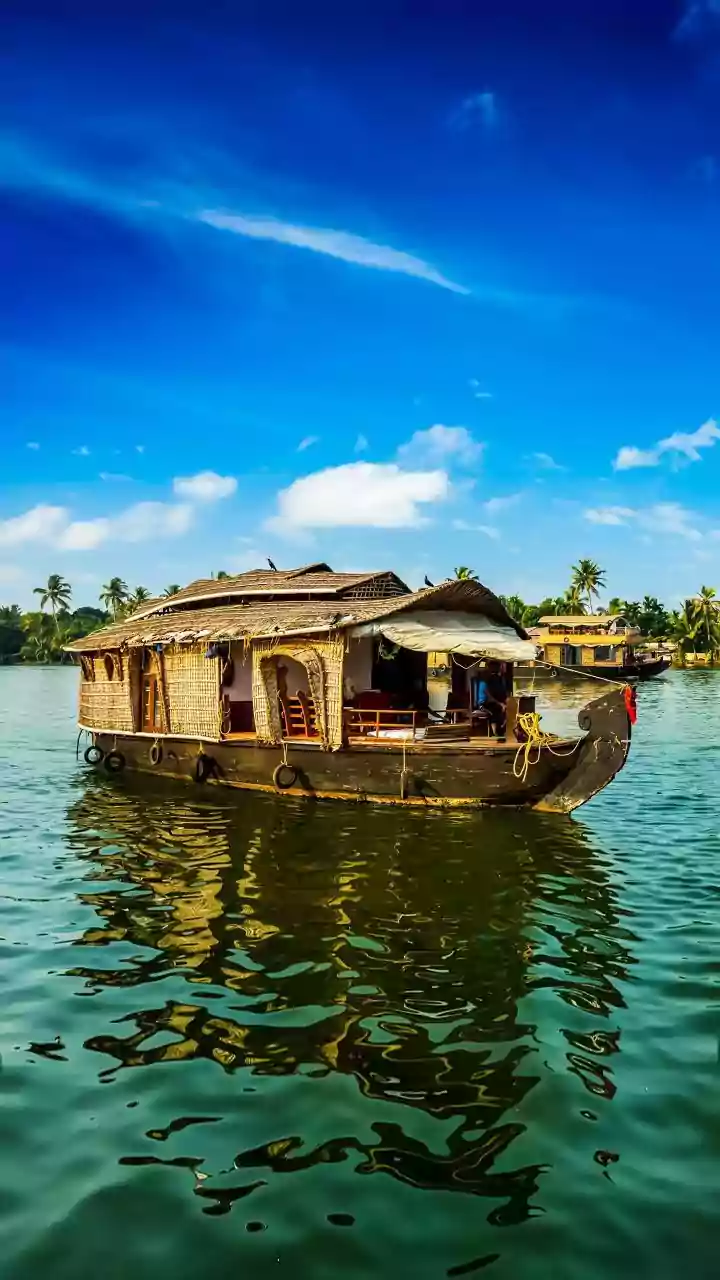
Not all destinations are equal in the late monsoon. While heavy rains might have subsided, their effects linger. It's best to avoid regions prone to landslides and flash floods, such as certain parts of the Himalayas and the Northeast. Instead, consider
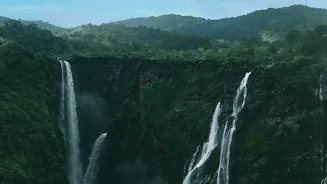
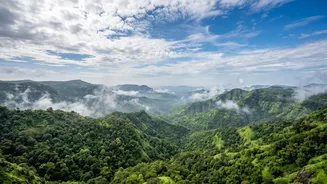
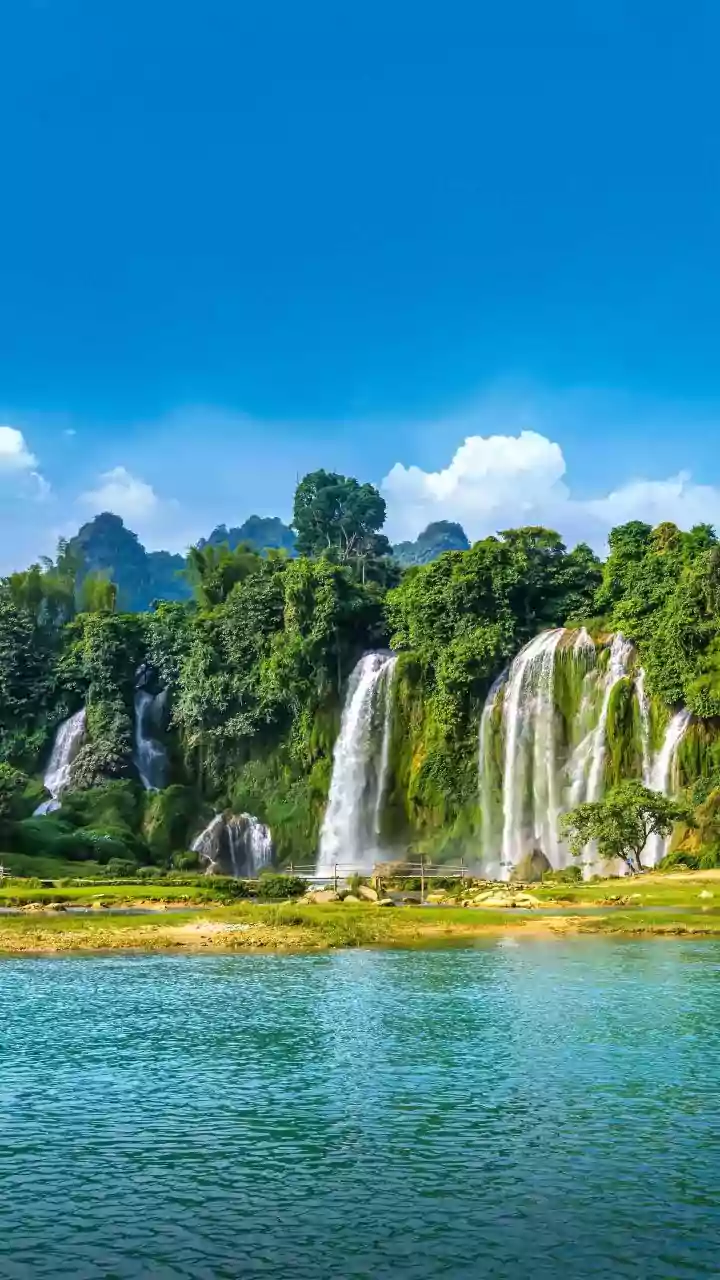
places that are transformed by the rain. Post-monsoon, destinations in Rajasthan like Jaipur and Udaipur are washed clean, with cooler temperatures and verdant landscapes around their forts and lakes. Similarly, parts of the Deccan plateau, like Hampi or Orchha in Madhya Pradesh, are stunningly green and less crowded. Southern hill stations such as Munnar, Coorg, and Wayanad are at their most vivid after the rains. These locations offer the beauty of the season with a reduced risk profile compared to peak monsoon months.
Smart Packing is Non-Negotiable
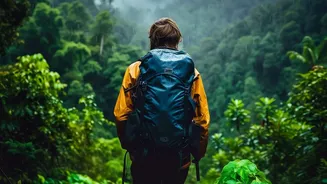
Your packing list can make or break a late-monsoon trip. The key is to prepare for dampness and humidity. Opt for quick-drying synthetic fabrics like polyester and nylon blends for your clothes; cotton should be avoided as it absorbs moisture and takes a long time to dry in humid conditions. A lightweight, waterproof rain jacket or poncho is far more effective than an umbrella against sudden downpours and wind. Waterproof footwear with good grip, like sandals or trail runners, is essential for navigating wet and slippery surfaces. To protect your valuables, use waterproof bags, dry sacks, or even simple ziplock pouches for your electronics, documents, and medicines. Tossing a few silica gel packets into your luggage can also help absorb ambient moisture and prevent mildew.
Navigate Roads with Extra Caution
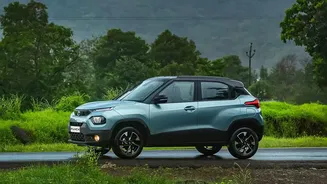
Road travel is one of the biggest challenges during and after the monsoon. Waterlogging, hidden potholes, and the potential for landslides are serious risks. The cardinal rule is to build flexibility into your itinerary. Avoid planning tight schedules and always have buffer days to account for unexpected delays from road closures or repairs. It's safest to drive only during daylight hours, as visibility can drop dramatically in the rain, especially in the evenings. Before setting out, check real-time road conditions. Reduce your speed, maintain a safe distance from other vehicles, and never attempt to drive through heavily waterlogged areas, as the depth can be deceptive.
Prioritise Your Health and Hygiene
The post-monsoon period can see a spike in water-borne and mosquito-borne illnesses. Personal hygiene is your first line of defence. Wash your hands frequently or use a hand sanitiser. Be vigilant about what you eat and drink. Avoid street food, no matter how tempting, and stick to bottled or purified water to prevent stomach ailments. Mosquitoes are prevalent after the rains, so use a strong insect repellent, especially during the early morning and evening. Wearing long-sleeved shirts and trousers can further reduce your risk of bites. It's also wise to carry a basic first-aid kit with essentials for common issues like colds, fungal infections, and indigestion.
Embrace a Slower, More Flexible Itinerary
A late-monsoon holiday isn't about rushing from one sight to another. The weather is unpredictable, and your best-laid plans might be washed out by a sudden downpour. The key is to embrace a slower pace. Book accommodation with a flexible cancellation policy if possible. Plan for indoor activities you can enjoy if the weather turns, such as visiting a local museum, taking a cooking class, or simply relaxing at a cafe with a good book and a view of the rain-swept scenery. The true charm of a monsoon-season trip lies in its moments of quiet and reflection, watching the world get drenched and rejuvenated. A flexible mindset ensures that a rainy day doesn't ruin your holiday—it just becomes a different kind of experience.