







Beyond The Annual Weather Cycle
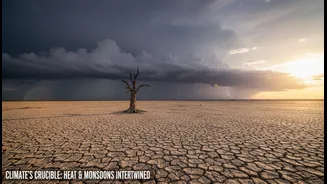
For generations, the rhythm of life in India has been dictated by the predictable cycle of a hot, dry summer giving way to the life-giving monsoon. We track the heatwave, then we track the clouds. This framing, however, is becoming dangerously obsolete.
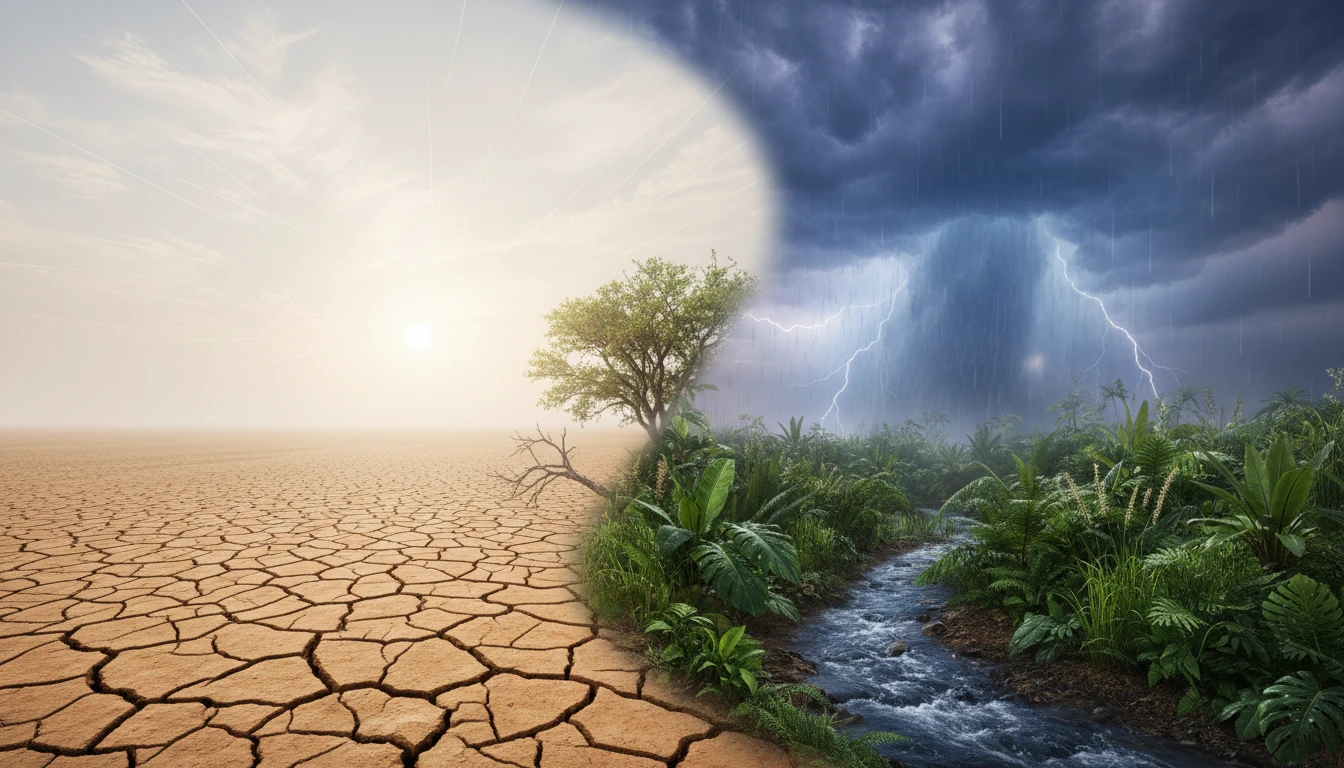
The underlying assumption that these are separate, sequential phenomena misses the critical point: climate change is actively altering not just each event individually, but their fundamental relationship with each other. A growing body of scientific evidence shows that we can no longer afford to view extreme heat and erratic monsoons as independent problems. They are two sides of the same coin, spun by a warming planet.
The New Anatomy of Extreme Heat
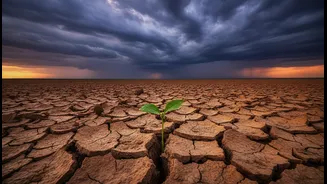
Heatwaves in India are not just getting hotter; they are becoming more frequent, longer-lasting, and deadlier. Climate change is the direct driver, making previously rare temperature extremes much more likely. Studies have shown that average temperatures in India have already risen significantly over the past century, and this trend is accelerating. This isn't just about uncomfortable summer days. This prolonged, intense heat has profound consequences. It creates a 'heat sink' on the subcontinent, altering the crucial temperature difference between the land and the Indian Ocean that powers the monsoon winds. Furthermore, these heatwaves increase evaporation, leading to drier soil and greater water demand even before the first monsoon clouds appear, putting a strain on agriculture and water reserves.
A Monsoon Out of Rhythm
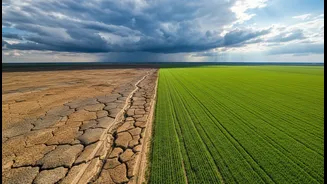
Simultaneously, the character of the Indian monsoon is transforming. While the total volume of rain might be increasing in some projections, the delivery is becoming more chaotic. The pattern is shifting from consistent, moderate rainfall to long dry spells punctuated by sudden, intense downpours. This volatility wreaks havoc on agriculture, where crops need steady water, not a cycle of drought and deluge. Climate change is supercharging the system; a warmer Arabian Sea and Bay of Bengal feed more moisture into the atmosphere, making extreme rainfall events and cyclones more powerful when they do occur. Research indicates that for every degree Celsius of warming, monsoon rainfall could increase by about 5%, intensifying the risk of catastrophic floods and landslides.
Connecting The Dots: The Bigger Lens
The 'bigger climate lens' is about understanding the feedback loop between heat and rain. The intense pre-monsoon heat is not just a prelude but an active player in the monsoon's performance. At the same time, marine heatwaves in the Indian Ocean, which have doubled in frequency since 1982, are disrupting atmospheric pressure and wind patterns, directly influencing the monsoon's strength and where the rain falls. One study highlighted the emergence of a deadly "dual threat" where residents face either extreme rainfall or extreme humid heat on nearly every day of the monsoon season, as the breaks between rainy spells become oppressively hot and humid. This intricate dance—where hotter land, warmer oceans, and a moisture-laden atmosphere interact in new and unpredictable ways—is the new reality that old weather models fail to capture.
A New Playbook for a New Climate
Recognising this interconnectedness is not an academic exercise; it's a practical necessity for India's future. It means that Heat Action Plans (HAPs), which are being implemented in many cities, must be integrated with flood management and water conservation strategies. It means that agricultural planning needs to prepare for both water scarcity during extended dry spells and waterlogging from extreme rainfall. India is already in the process of developing a National Adaptation Plan (NAP) to build resilience against these intertwined challenges. The goal is to move beyond a reactive, disaster-relief approach to one that is proactive, holistic, and acknowledges the systemic nature of climate risk.