





The Annual Race Against Rot
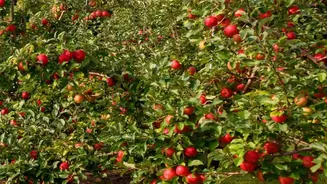
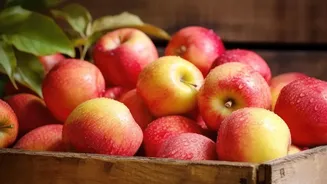
For generations, the apple harvest in Kashmir has been a period of both promise and peril. The months from August to October, often called the crushing months, see orchards bursting with fruit. However, this abundance creates immense pressure. With a perishable
product, farmers and their cooperatives have traditionally been forced to sell their produce immediately. This market flood often leads to a sharp drop in prices, a situation that middlemen can exploit. Furthermore, logistical nightmares like blockades on the Srinagar-Jammu National Highway, the valley's main artery to outside markets, can leave trucks stranded for days, causing catastrophic spoilage. In the past, post-harvest losses due to inadequate storage and transport could be as high as 25%, a devastating blow for small growers who invest their entire year's effort and capital into the crop. This forced farmers into a cycle of distress sales, unable to hold their stock for better prices during the off-season.
Enter the Cold Chain Solution
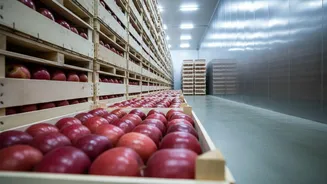
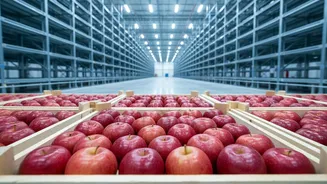
The game-changer for Kashmir's apple cooperatives has been the development of a modern cold chain. This isn't just about having a few cold rooms; it's an integrated system of temperature-controlled environments. The cornerstone of this innovation is Controlled Atmosphere (CA) storage. Unlike simple refrigeration, CA units precisely manage the levels of oxygen, carbon dioxide, and humidity, essentially putting the apples into hibernation. This technology can extend the shelf-life of high-quality apples for months, preserving their freshness, crispness, and market value long after the harvest season ends. This allows cooperatives to move away from the harvest-time rush and adopt a more strategic, year-round sales approach. The cold chain also includes refrigerated transport, ensuring that the apples maintain their quality from the storage unit all the way to distant markets.
Empowering Farmer Cooperatives
The rise of cold-chain infrastructure, particularly CA storage facilities concentrated in areas like Pulwama and Shopian, has directly empowered local farmer cooperatives. By pooling their resources, cooperatives can access these high-tech storage units, which might be too expensive for an individual small farmer. This collective approach provides a crucial buffer against market volatility. Instead of being forced to sell at rock-bottom prices during the harvest glut, cooperatives can now store their members' A-grade produce and release it gradually when market demand and prices are more favourable. This has fundamentally shifted the power dynamic, giving growers more control over their own economic destiny. It provides the flexibility to wait out logistical hurdles like highway closures without watching their entire harvest rot. The government has also played a role, encouraging this shift by providing subsidies and technical support for using cold storage facilities.
The Economic Ripple Effect
The benefits of the cold chain extend far beyond preventing spoilage. For cooperatives, it means better and more stable returns. Being able to sell apples in the lean season, from March onwards, can significantly increase the price per box compared to what's offered during the frantic crushing months. This increased income strengthens the financial health of the cooperatives and their individual members, allowing for reinvestment in better farming practices and equipment. While the system is not a perfect guarantee of high prices—which still depend on market conditions and fruit quality—it provides a level of security and stability that was previously unimaginable. The infrastructure itself also creates local jobs, from managing the high-tech storage units to sorting and packing the fruit year-round. By transforming the post-harvest process, these innovations are helping to make Kashmir's vital apple sector, which supports an estimated 3.5 million people, more resilient and profitable.