





The Hidden Costs of Sitting Still
Many modern jobs require us to be sedentary for long stretches, a reality that comes with significant health risks. Prolonged sitting is linked to a host of problems, including poor posture, back pain, muscle weakness, and a higher risk of developing
chronic conditions like heart disease and diabetes. Mentally, being stuck in a chair for hours can lead to increased stress, anxiety, and a noticeable drop in concentration. Even for those who exercise regularly, spending more than 10 hours a day in a sedentary state can counteract many of those benefits. The 'sitting disease', as it's sometimes called, affects not just our long-term health but our immediate productivity and sense of wellbeing.
The Science of the 'Movement Snack'
The good news is that you can effectively combat the negative effects of a sedentary day with a simple strategy: incorporating short, regular movement breaks. Often called 'movement snacks' or 'micro-breaks', these are brief periods of physical activity, lasting anywhere from one to fifteen minutes, sprinkled throughout your day. The science is compelling. These short bursts of activity increase blood flow to the brain, boosting oxygen and improving focus. They also help regulate blood sugar, reduce muscle stiffness, and support better posture. Research shows that even light activity every 30-60 minutes can significantly offset the health risks of sitting all day. Think of it not as a workout, but as a reset button for both body and mind.
Boost Your Physical Health
The physical perks of frequent movement are undeniable. Breaking up long periods of sitting helps prevent the muscle atrophy and weakness that can develop in the back, hips, and legs. Simple stretches and movements can alleviate neck and shoulder tension, a common complaint for desk workers. Regular activity, even in small doses, improves circulation and can lower blood pressure and reduce the risk of cardiovascular disease. You'll also likely notice an immediate increase in energy. Instead of hitting that dreaded afternoon wall, a quick movement break can re-energize you, making you feel more alert and physically capable for the rest of the day.
Sharpen Your Mental Focus
Movement is not just for your body; it's a powerful tool for your brain. Physical activity is a natural stress reliever, triggering the release of endorphins, the body's feel-good chemicals that improve your mood. Taking a moment to step away from your screen and move gives your brain a much-needed rest, allowing you to return to your tasks with renewed focus and creativity. Studies show a direct link between exercise and improved cognitive function. By breaking the monotony of your work, you can reduce mental fatigue, enhance concentration, and even boost your problem-solving skills. It's a simple way to clear your head and fight burnout.
Easy Movement Snacks to Try Today
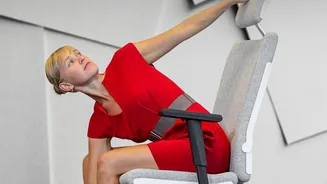
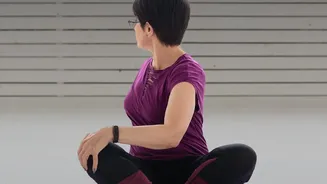
You don't need a gym or special equipment to get started. The key is to find simple movements you can do right at your workstation or in a small space. Try a few of these: - Desk Squats: Stand up from your chair, lower yourself back down until you almost touch the seat, and stand back up. Repeat 10-15 times. - Shoulder Rolls: Gently roll your shoulders up toward your ears, then back and down. Repeat 5 times forward and 5 times backward to release neck tension. - Torso Twists: While seated or standing, gently twist your upper body from side to side to loosen your spine. - Desk Push-Ups: Place your hands on the edge of a sturdy desk, step your feet back, and perform a push-up. - Neck Stretches: Gently tilt your head from side to side, holding each stretch for 15-20 seconds. - Calf Raises: Stand up and lift your heels off the floor, then lower them back down.
Making Movement a Habit
The biggest challenge is making movement a consistent part of your routine. Start small to build momentum. One effective strategy is to set a timer to go off every hour as a reminder to stand up, stretch, or take a short walk. Another approach is 'habit stacking'—linking your movement break to an existing daily habit. For example, do a few squats while your coffee brews or take a quick walk around the office after sending a major report. Don't be afraid to make it fun; put on a favorite song and dance for two minutes. The goal is consistency, not intensity. When your leaders and colleagues also take breaks, it helps build a supportive culture where everyone's wellbeing is a priority.