

An Ancient Solution for Modern Gardens
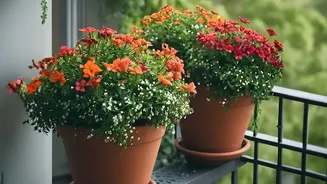
The challenge of keeping container plants hydrated is a familiar one for urban gardeners. Balcony pots can dry out in a matter of hours on a hot day, leading to stressed, unhappy plants. The solution might just be thousands of years old. Olla (pronounced
'oy-ah') is the Spanish word for pot, and it refers to a method of irrigation using unglazed terracotta vessels that has been practiced for centuries across arid regions worldwide. Buried in the soil and filled with water, these pots act as a slow-release reservoir, delivering moisture directly to plant roots when they need it most. This technique is perfectly suited for the unique challenges of container gardening, promising healthier plants with less guesswork.
The Simple Science of Olla Irrigation
The magic of an olla lies in the porous nature of unglazed terracotta clay. When you bury an olla in a container and fill it with water, the pot itself holds the water. However, the walls of the pot allow moisture to slowly seep out. This process is driven by soil moisture tension. When the soil around the pot is dry, it effectively 'pulls' water through the clay pores. Conversely, when the soil is moist, such as after a recent watering or rain, the water stays inside the olla. This creates a self-regulating system where plants get a steady supply of water at the root level, preventing the cycle of drought and drenching that can stress container plants. It also dramatically reduces water lost to surface evaporation.
Key Benefits for Balcony Containers
Using ollas in balcony containers offers a host of advantages. First and foremost is water efficiency. By delivering water directly to the root zone, evaporation is minimized, which can reduce water usage significantly. This method also promotes healthier, more resilient plants by encouraging deep root growth as roots seek out the consistent water source. It prevents overwatering and the associated risk of root rot, as the soil only draws what it needs. For the busy urban gardener, the convenience is a major plus. Instead of daily watering, you may only need to refill your ollas once or twice a week, depending on the pot size, plant needs, and weather.
Choosing and Using Ollas in Your Pots
Ollas for container use come in various shapes and sizes, from traditional pot shapes to smaller, cone-like watering spikes. For larger containers, a classic round olla buried in the center works well. Simply dig a hole in your container, place the olla so the neck is just above the soil line, and plant your chosen flowers or vegetables around it. For smaller pots or to supplement watering for a single plant, terracotta watering spikes are a great option. These are inserted into the soil and typically use an inverted bottle as a reservoir. To use, simply fill the olla or its reservoir with water and place a cap or stone over the opening to prevent evaporation and keep debris and insects out.
A Few Practical Tips
While ollas are low-maintenance, a few tips ensure success. It's best to use only water in your olla, as liquid fertilizers can clog the clay's pores over time. When starting seeds or very young plants, you may need to surface water for a week or two until their roots are established enough to reach the moisture zone around the olla. In climates with freezing winters, it is wise to remove the ollas from your containers, clean them, and store them indoors to prevent cracking. You can even make your own ollas by sealing the drainage hole of a standard terracotta pot or by gluing two pots together at the rim to create a larger vessel.