


The Core of Janmashtami Fasting
On Janmashtami, many Hindus observe a fast (vrat) to honour Lord Krishna. This act is not merely about abstaining from food but is a practice of devotion, meant to purify the mind and body, and draw one closer to the divine. The fast typically begins
at sunrise and concludes after the midnight celebrations marking the hour of Krishna's birth. While some observe a strict 'Nirjala' fast without food or water, the more common practice is the 'Phalahari' fast. This allows for the consumption of fruits, dairy, and specific non-grain foods, making the observance accessible to more people. The primary dietary rule that unites most fasting traditions on this day is the strict avoidance of all regular grains and cereals.
A Spiritual Mandate from the Puranas
The tradition of avoiding grains on auspicious days like Janmashtami and Ekadashi is deeply rooted in Hindu scriptures, particularly the Puranas. According to texts like the Padma Purana and Skanda Purana, grains are believed to harbour negative energies or 'sin' (Papa-purusha) on these specific lunar days. It is said that to protect himself from the purifying power of Ekadashi, the personification of sin took refuge in food grains. Therefore, consuming grains like rice, wheat, and pulses on these holy days is thought to lead to the absorption of this negative spiritual energy, hindering one's devotional practice. The scriptures are emphatic, stating that this rule applies to all, regardless of which deity they primarily worship, to maintain spiritual purity on a day dedicated to Lord Vishnu, of whom Krishna is an incarnation.
The Ayurvedic and Scientific Perspective
Beyond scriptural injunctions, there is a traditional health-based logic for avoiding grains during a fast. From an Ayurvedic perspective, fasting is a way to give the digestive system a much-needed rest and detoxify the body. Grains, particularly heavy whole grains, are known to slow down digestion. By eliminating them, the body feels lighter and the mind calmer, which is conducive to meditation and prayer. This aligns with the sattvic food philosophy, which avoids foods considered 'tamasic' (causing lethargy or restlessness), like onions, garlic, and heavily processed items. Furthermore, some traditional beliefs connect fasting practices to lunar cycles, suggesting that grains may retain more water on certain days, potentially affecting digestion and overall well-being. The focus is on foods that are easy to digest, such as fruits, dairy, and light vegetables.
What to Eat Instead: The 'Phalahari' Diet
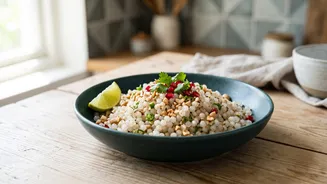
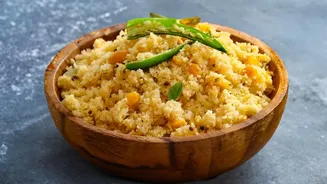
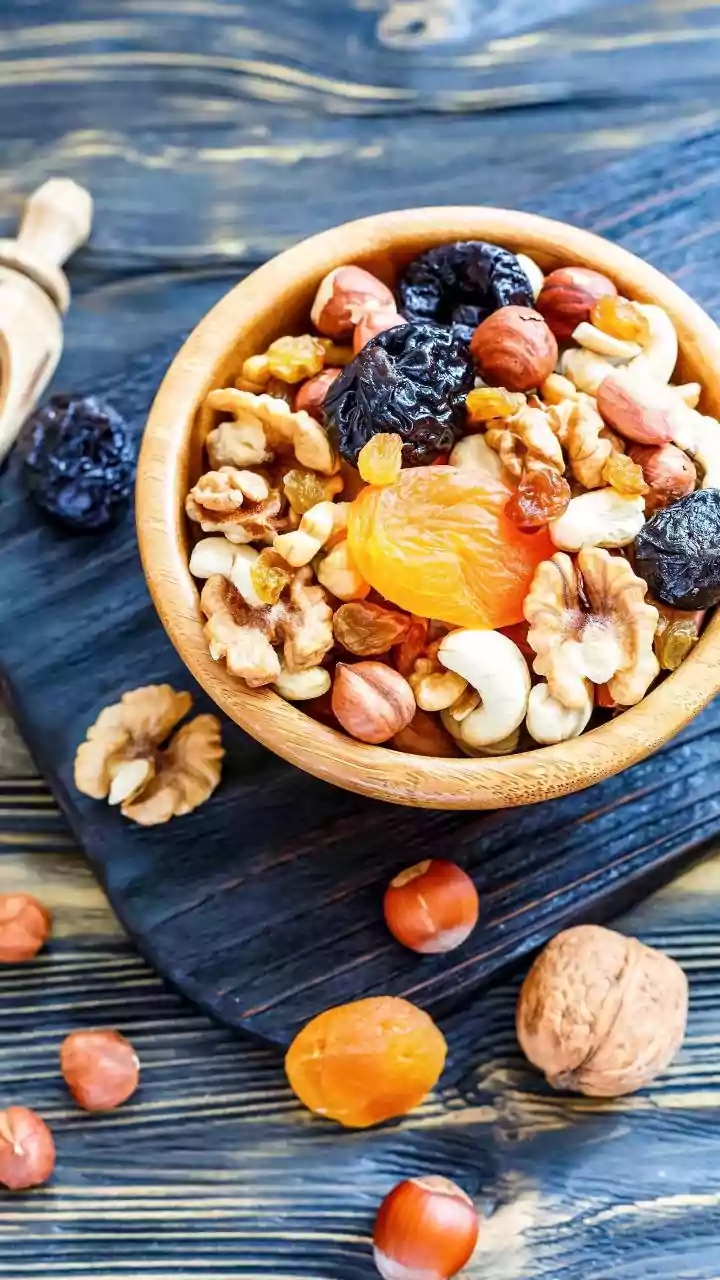
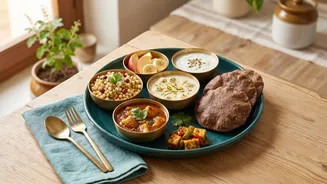
Abstaining from grains does not mean one must go hungry. A rich variety of 'vrat-friendly' foods form the backbone of the Phalahari diet. The permitted list includes fruits, milk, yoghurt, and select nuts. For more substantial meals, specific flours are used, such as Kuttu ka atta (buckwheat flour), Singhara ka atta (water chestnut flour), and Rajgira (amaranth flour). Sabudana (tapioca pearls) is another staple, used to make popular dishes like khichdi and vada. Vegetables like potatoes, sweet potatoes, and raw bananas are also commonly consumed. A crucial distinction is the use of Sendha Namak (rock salt) instead of regular table salt, as it is considered a purer, unprocessed alternative. These ingredients allow for a diverse and nourishing menu that sustains devotees through their day of prayer and celebration.