




A Nationwide Health Awakening
The primary driver behind the high-fibre trend is a significant shift in health consciousness among urban Indians. In the wake of the pandemic and with a growing awareness of lifestyle diseases like diabetes and heart conditions, people are actively seeking
healthier food choices. [19] Breakfast, being the first meal of the day, has become a natural starting point for this change. Consumers are more discerning, reading nutritional labels and looking for ingredients that offer tangible health benefits beyond just filling them up. [20] This has created a massive demand for meals that are perceived as wholesome, and fibre is at the top of that list.
The Power of Gut Health
The conversation around 'gut health' has gone mainstream, and fibre is its superstar. Nutritionists and health influencers have popularised the idea that a healthy gut microbiome is essential for overall well-being, from digestion to immunity. [9, 15] Dietary fibre acts as a prebiotic, which means it feeds the beneficial bacteria in your gut. [9] A flourishing gut microbiome is linked to a host of benefits, including better digestion, reduced inflammation, and even improved mental health. [11] As people learn more about the gut-body connection, they are turning to high-fibre foods to nourish their internal ecosystem.
Fuller for Longer: The Satiety Factor
One of the most practical benefits of a high-fibre breakfast is its effect on satiety—the feeling of fullness. [10] Foods rich in fibre, especially soluble fibre found in oats and beans, slow down digestion. [11] This prevents the rapid spikes and crashes in blood sugar that often follow a breakfast high in refined carbohydrates. [12] For the busy Indian professional, this translates to sustained energy throughout the morning and a reduced temptation to snack on unhealthy mid-morning treats. This effect is also a key reason why high-fibre diets are often recommended for weight management. [12, 26]
Market Innovation and Convenience
The food industry has been quick to respond to this growing consumer demand. The Indian breakfast cereal market is projected to grow significantly in the coming years. [6, 7] Brands are launching a wide array of products, from traditional oats and cornflakes to innovative millet-based cereals, fortified muesli, and granola. [6] These products are marketed on the platforms of health and convenience, offering a quick and easy solution for time-pressed mornings. The expansion of e-commerce and modern retail into smaller cities has also made these products more accessible than ever before. [19]
Not Just Oats: The Return of Traditional Grains
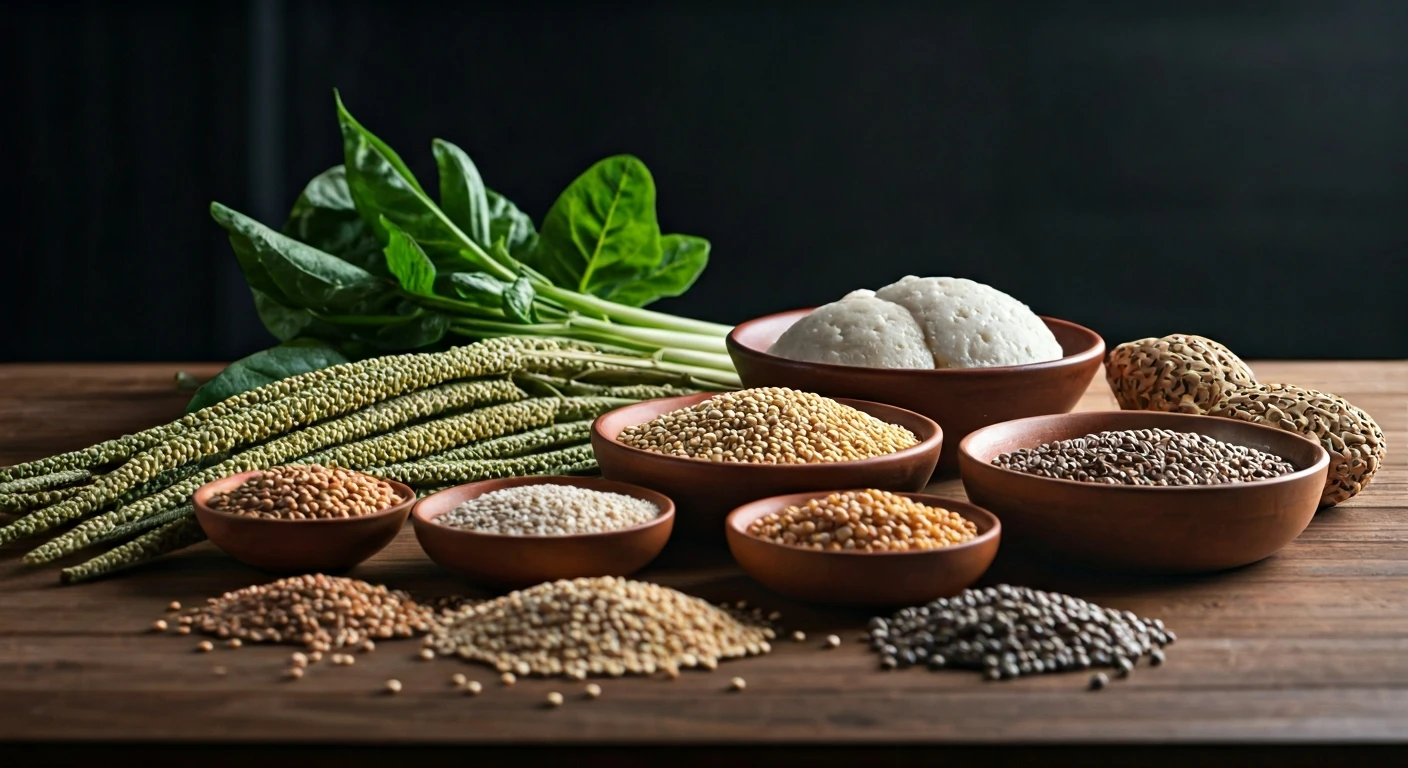
While packaged cereals are highly visible, this trend isn't just about Western-style breakfasts. There is a renewed appreciation for traditional Indian grains that are naturally high in fibre. [3] Millets like ragi (finger millet), jowar (sorghum), and bajra (pearl millet) are making a major comeback. [22] People are rediscovering the benefits of classic Indian breakfasts like vegetable dalia, moong dal chilla, and poha made from brown or red rice. [3, 5, 13] These traditional options offer the same fibre benefits but are often more aligned with local tastes and culinary habits, making the trend feel both modern and rooted.