




The Rise of the Balcony Garden
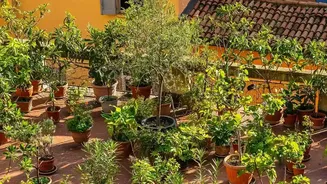
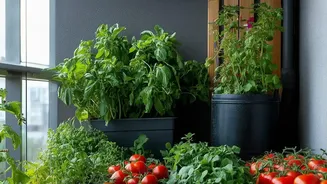
In cities like Mumbai, Bengaluru, and Delhi, where private green space is a luxury, urban residents are turning to their balconies to connect with nature. This trend, which gained momentum in recent years, is now a sustained lifestyle choice for many.
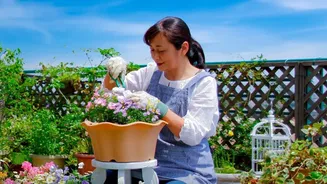
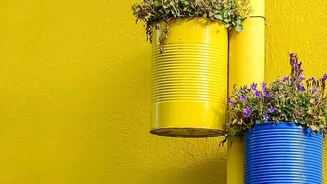
It’s driven by a desire for a peaceful retreat from city life, the simple joy of nurturing a plant, and the tangible reward of seeing a bare space transform into a colourful oasis. Balcony gardening offers a solution to the lack of space, turning compact apartments into greener, more serene homes and even helping to improve air quality and reduce stress. With the rise of space-efficient techniques like vertical planters and railing pots, it's easier than ever to cultivate a surprising amount of greenery in just a few square feet.
The Ever-Vibrant Bougainvillea
Few plants scream 'tropical paradise' quite like the bougainvillea. Known for its paper-like bracts that burst with colour, this hardy climber is a favourite for sunny Indian balconies. Available in shades of magenta, pink, orange, and white, it’s a low-maintenance plant that actually thrives on a bit of neglect. Bougainvilleas flower best when their roots are slightly restricted and the soil is allowed to dry out between waterings. For a balcony, choose a pot that is 12-16 inches in diameter with excellent drainage. Place it in a spot that receives at least six to eight hours of direct sunlight, and you'll be rewarded with a spectacular cascade of colour almost year-round.
The Cheerful and Hardy Marigold
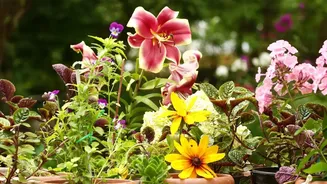
Marigolds, or 'Genda Phool', are a staple in Indian culture and an excellent choice for a blooming balcony. Their cheerful yellow and orange pom-pom flowers add an instant splash of brightness. Marigolds are famously easy to grow and are tolerant of the summer heat, making them ideal for beginner gardeners. They require at least six hours of full sun to produce abundant blooms. Plant them in well-draining soil and water when the top inch of the soil feels dry. An added benefit is that marigolds are known to naturally repel pests, helping to keep your other balcony plants healthy.
The Classic Hibiscus (Gudhal)
With its large, elegant blooms, the Hibiscus, or 'Gudhal', is a classic choice that brings a touch of tropical elegance to any space. Available in a stunning variety of colours like red, pink, yellow, and even exotic blues, hibiscus plants bloom generously throughout the year in India's warm climate. They are sun-loving plants that need about four to six hours of direct sunlight daily for maximum flowering. Use a well-draining soil mix, and keep the soil consistently moist but not waterlogged. Regular pruning after a flowering cycle will encourage bushier growth and even more beautiful blooms.
Fragrant Jasmine (Mogra)
For those who want to add a sensory dimension to their balcony, the intoxicating fragrance of Jasmine, especially Mogra, is unparalleled. This climbing vine produces delicate white flowers that release their sweet scent most strongly in the evening, creating a tranquil atmosphere. Mogra grows well in pots, especially in a 10-12 inch container with a small trellis for support. It needs a sunny spot with at least four to five hours of light to produce a profusion of its fragrant blooms. It's a perfect plant for creating a relaxing corner to unwind after a long day.
Essential Tips for Balcony Success
To ensure your balcony garden thrives, a few basics go a long way. First, assess your sunlight; south and west-facing balconies are great for sun-lovers like bougainvillea and marigolds, while shadier spots suit other foliage plants. Use lightweight pots made of plastic or fibre to avoid putting excess strain on the balcony structure. Good drainage is non-negotiable, so ensure every pot has holes at the bottom. For soil, a mix of regular garden soil, compost, and cocopeat or sand creates a fertile and well-draining medium for most flowering plants. Finally, water smartly. Check the soil before watering; if the top inch is dry, it's time to water. Be mindful that plants in pots dry out faster than those in the ground, especially during hot summers.