




A Quiet Rebellion Against Clutter
For years, the stereotype of Indian interior design, at least in the Western imagination, has been one of joyful maximalism. Think rooms bursting with silk cushions, intricate carvings, bold jewel tones, and a delightful density of family heirlooms. And
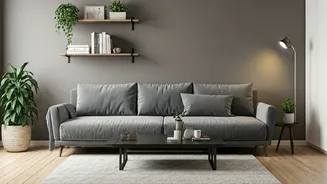
while that vibrant aesthetic is still a cherished part of the culture, a quiet but powerful counter-movement is emerging from the country’s sprawling, energetic cities. In Mumbai, Bengaluru, and Delhi, a growing number of urban millennials and Gen Xers are pushing back against visual noise. Cramped apartment living and the sensory overload of city life have created a powerful yearning for tranquility. For them, home is no longer a place to display abundance but a sanctuary to escape it. This has made minimalism—the philosophy of 'less is more'—an aspirational choice. It’s a direct response to the pressures of modern India, where professional lives are demanding and personal space is at a premium. The goal isn't emptiness, but peace.
This Isn’t Your Typical Minimalism
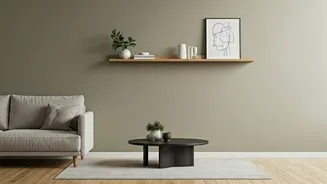
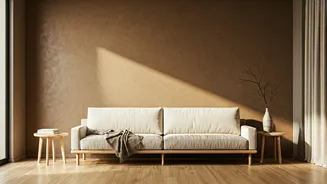
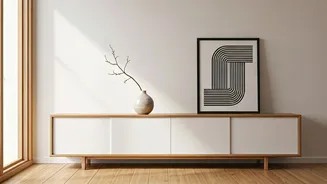
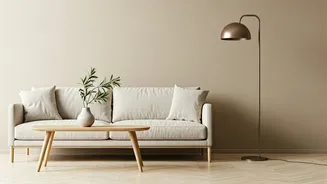
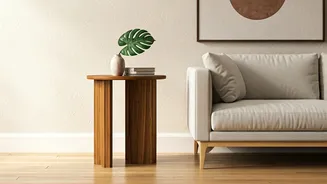
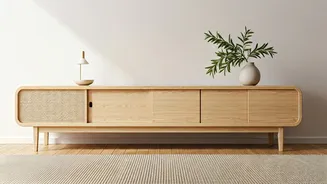
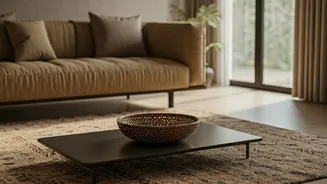
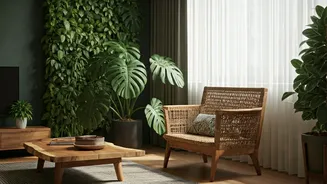
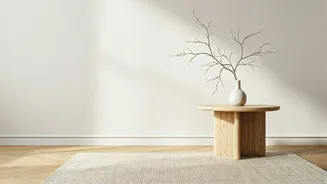
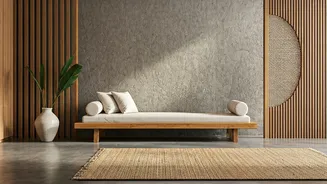
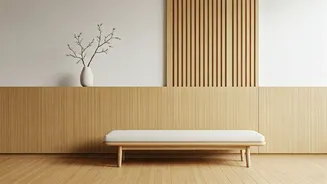
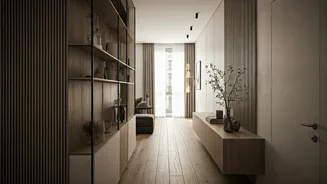
If you’re picturing the cold, almost clinical minimalism popular in some Scandinavian or Japanese design, think again. What's taking root in India is a warmer, more soulful interpretation often dubbed 'rooted minimalism' or 'warm minimalism.' It’s less about stark white walls and chrome, and more about texture, craftsmanship, and a deep connection to indigenous materials. Designers and homeowners are championing locally sourced teak and rosewood, the cool touch of Kota stone flooring, and the earthy appeal of terracotta. Instead of eliminating all decoration, the focus shifts to a few, highly intentional pieces. A single, exquisitely crafted urli bowl might replace a dozen smaller trinkets. A hand-loomed textile becomes a piece of art. Intricately carved 'jali' screens—a traditional architectural element—are used to filter light and create subtle patterns, blending form and function beautifully. It’s minimalism with a distinctly Indian accent, celebrating materiality and human touch over mass-produced simplicity.
A Modern Return to Ancient Roots
What makes this trend so fascinating is that it’s not just a foreign import. While the aesthetic has global influences, its core principles resonate with deep-seated Indian philosophies. Long before Marie Kondo, Indian thought celebrated the concept of Aparigraha, a yogic principle of non-possessiveness and non-attachment to material things. The Gandhian ideal of simple living has been a part of the national consciousness for a century. In many ways, this new design trend is a modern rediscovery of those values. Architects are finding inspiration in the functional simplicity of traditional Indian homes, which were inherently sustainable and designed for the climate, prioritizing natural light and ventilation. By embracing minimalism, this new generation isn't just copying a Western trend; they are curating a modern identity by reaching back into their own cultural and philosophical heritage. It’s a way of saying, 'We are global citizens, but we have not forgotten where we come from.'
The New Aspirational Home
Ultimately, the minimalist home has become a new status symbol for India’s rising urban middle and upper-middle classes. It signifies a life of intention and control in a world that often feels chaotic. Owning less, but owning better—sustainably sourced, artisan-made, and rich with cultural meaning—is the new luxury. This aesthetic is a reflection of changing priorities. Wellness, mental peace, and sustainability are now as important as social standing. An uncluttered home powered by natural light speaks to a life that values calm over consumption. As India continues its rapid economic and cultural evolution, this turn towards a thoughtful, rooted minimalism isn't just about what a home looks like. It’s a powerful statement about the kind of life its owner wants to live: one that is modern, serene, and authentically Indian.