


The Never-Ending Battle with Potholes
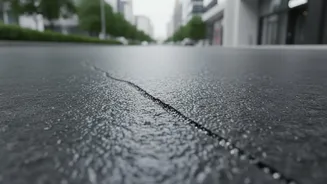
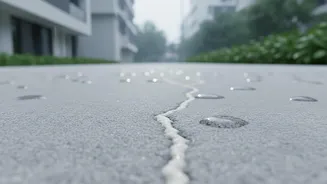
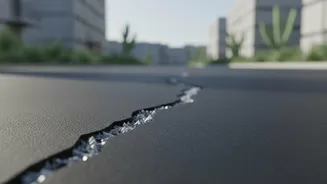
Every year, particularly after the monsoons, India's roads tell a familiar story of decay. Cracks appear, water seeps in, and soon, crater-sized potholes emerge that damage vehicles, slow traffic, and create serious safety hazards. The cycle of temporary,
expensive patchwork repairs feels endless. The National Highways Authority of India (NHAI) has been exploring innovative solutions to this persistent problem, acknowledging the need for more durable and sustainable infrastructure. This constant repair cycle not only drains public funds but also contributes to traffic disruption and increased fuel consumption for motorists navigating the damaged stretches.
A Living Solution Inspired by Nature
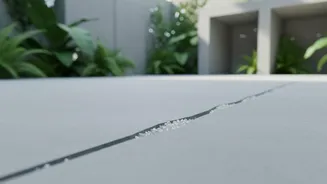
Imagine a road that can mend its own wounds. This is the promise of self-healing concrete, a revolutionary material that uses dormant bacteria to perform repairs from within. Drawing inspiration from biological processes like how skin or bone heals, researchers have developed concrete mixtures that contain tiny capsules of bacteria and their food source. When a crack forms and water enters, it acts as a trigger, waking up the bacteria. This innovation represents a shift from reactive maintenance to a proactive, built-in system of preservation.
How Bacteria Become Microscopic Masons
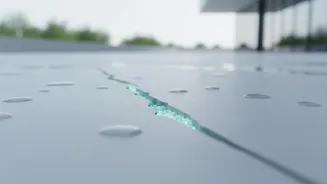
The science behind this technology is both simple and ingenious. Specific strains of bacteria, such as Bacillus subtilis, are added to the concrete mix in a dormant, spore-like state. They are encapsulated along with a nutrient, typically calcium lactate. These capsules lie inert within the hardened concrete. When a micro-crack forms, it breaks open the capsules. Moisture entering the crack awakens the bacteria, which then consume the nutrient. As a byproduct of this metabolic process, they secrete calcium carbonate—essentially limestone—which fills the crack, sealing it and preventing further water ingress and damage. This process can seal cracks within hours or days, effectively healing the structure before minor damage becomes a major problem.
From the Lab to Indian Pavements
While the technology sounds futuristic, it is already moving beyond the laboratory. Globally, countries like Germany and the Netherlands have run successful trials on highways and bridges. In India, the concept is gaining traction. Years ago, a pilot project led by an Indian-origin professor demonstrated a self-repairing road in a village near Bengaluru, using hydrophilic fibres to aid the healing process. More recently, engineering students in Shegaon, Maharashtra, developed and tested a bio-healing coating at a local railway station and temple complex, with encouraging results. These projects, though small-scale, demonstrate the technology's potential application for Indian conditions.
The Roadblocks to Widespread Adoption
Despite its immense potential, self-healing concrete is not yet a universal fix. The primary hurdle is cost. The specialised bacteria and encapsulation process make this material significantly more expensive than traditional concrete, which could hinder its adoption in a cost-sensitive market like India. Furthermore, the technology is most effective on micro-cracks and cannot repair large structural failures or massive potholes. Researchers are continually working to improve the efficiency, reduce production costs, and ensure the bacteria remain viable for decades within the harsh, alkaline environment of concrete. Scalability remains a key challenge before this can become a standard for the millions of kilometres of roads India needs.