



Peace Lily (Spathiphyllum)
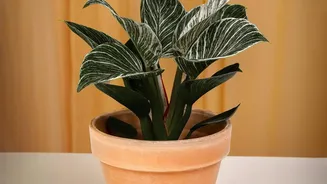
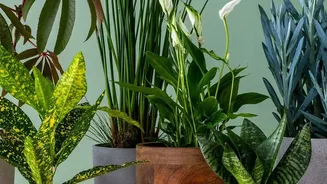
The elegant Peace Lily is more than just a pretty plant with its glossy dark leaves and white spathes. It is known for its ability to absorb moisture from the air through its large leaves. While often cited for its air-purifying qualities based on a 1989
NASA study, its primary benefit in a typical home is its transpiration process, which can help in very dry rooms by adding humidity. However, its leaves also absorb ambient moisture, making it a useful plant in rooms with higher humidity levels like kitchens and bathrooms. Peace Lilies are relatively easy to care for, preferring moderate, indirect light and consistently moist soil. Their presence is a symbol of a shift towards healthier, greener living.
Snake Plant (Sansevieria trifasciata)
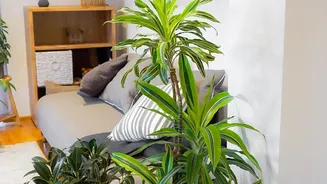
Known for its hardiness and striking, upright leaves, the Snake Plant is a low-maintenance champion for any home. It is particularly effective at absorbing excess moisture from the air. A unique quality of the Snake Plant is its ability to release oxygen at night, which is the opposite of most other plants, making it an excellent choice for bedrooms. It helps to filter common indoor air toxins, which can contribute to a fresher indoor environment. This plant is incredibly drought-tolerant and can thrive in a wide range of light conditions, from low light to bright, indirect sunlight, making it perfect for beginners and busy homeowners. Simply water it sparingly and let the soil dry out between waterings.
Spider Plant (Chlorophytum comosum)
The Spider Plant is a popular and adaptable houseplant, easily recognized by its arching leaves and dangling plantlets. It is effective at absorbing ambient humidity and can live off the moisture in the air, making it a natural dehumidifier. It's an excellent air purifier, known for helping to remove pollutants from the air. Spider Plants are remarkably easy to care for and are ideal for hanging baskets where they can effectively absorb humidity. They thrive in various conditions and are non-toxic, making them a safe and practical addition to homes with pets.
Boston Fern (Nephrolepis exaltata)
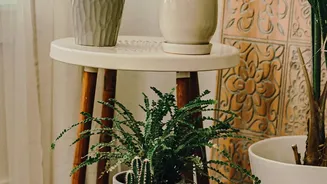
With its lush, feathery fronds, the Boston Fern is a classic choice for adding a touch of green elegance. These ferns thrive in humid environments, which makes them excellent at absorbing moisture from the air. Their natural habitat is often a swamp or a humid forest, so they are well-adapted to draw moisture from their surroundings. To keep a Boston Fern happy indoors, it needs consistently moist soil and bright, indirect light. Regular misting can help replicate the high humidity it loves, which can be particularly beneficial in drier indoor areas, but its ability to absorb ambient moisture makes it a great pick for damp corners. They are considered one of the most effective plants for absorbing humidity.
English Ivy (Hedera helix)
English Ivy is a hardy, trailing vine that is adept at growing in various indoor conditions. It is known as a powerful air-purifying plant and is particularly effective at absorbing airborne moisture, making it a great choice for damp rooms like bathrooms. This plant is easy to care for and can tolerate lower light levels. Its ability to climb and trail makes it a versatile decorative element, whether in a hanging pot or on a shelf. Regular trimming will encourage healthy growth and keep its vigorous nature in check.
The Power of Clay Dehumidifiers
Beyond plants, another simple and eco-friendly tool to combat dampness is a clay dehumidifier. Often made from porous materials like montmorillonite clay, these devices work through adsorption, where moisture from the air is trapped within the clay's tiny pores. These clay desiccants are natural, non-toxic, and incredibly cost-effective. They can absorb a significant amount of their own weight in water, helping to lower humidity in enclosed spaces like closets, cabinets, and small bathrooms. Unlike electric dehumidifiers, they require no power and are completely silent. When they become saturated, many clay dehumidifiers can be 'recharged' by placing them in an oven at a low temperature or leaving them out in the dry sun, making them a reusable and sustainable choice for managing indoor humidity.