






What Exactly Has Changed?
Until recently, foreign investment in India's space sector was highly restricted. Any FDI in satellite-related activities required government approval, a process that could be slow and deter international investors. The new policy, amended in early 2024,
breaks down the space industry into different categories and sets clear, liberalised investment limits. It creates a tiered system that makes it much easier for foreign companies to invest, especially through the 'automatic route', which requires no prior government sign-off. This overhaul is a core part of the Indian Space Policy 2023, which aims to unlock the sector's potential through greater private participation.
Breaking Down the New FDI Rules
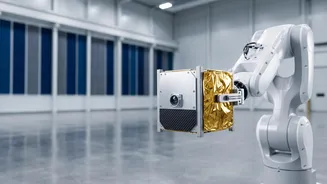
The new framework is designed to be clear and attractive. For the manufacturing of components, systems, and sub-systems for satellites and ground stations, the government has opened the door to 100% FDI via the automatic route. For more complex activities like satellite manufacturing and operations, satellite data products, and ground segment development, up to 74% FDI is now allowed automatically. Investment beyond that 74% mark is still possible but requires government approval. For the most sensitive areas, such as creating launch vehicles, building spaceports, and their associated systems, the automatic route is capped at 49% FDI. This tiered approach provides clarity that was previously missing and strategically opens up different parts of the industry.
Why Open the Floodgates Now?
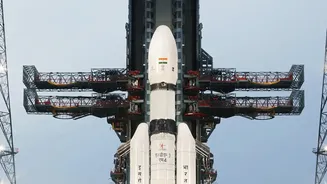
The timing is strategic. The global space economy is booming, projected to be worth trillions of dollars in the coming decades, and India wants a much larger slice of the pie. Previously, India’s space efforts were a government monopoly run by the Indian Space Research Organisation (ISRO). By liberalising FDI, the government aims to transform the sector from being government-led to being a globally integrated commercial hub. This move is expected to attract not just money but also cutting-edge technology from global players, helping Indian companies catch up with the latest advancements and enhancing overall capabilities. The goal is to create a vibrant ecosystem where private companies can thrive, innovate, and compete on the world stage.
The Impact on Startups and New Jobs
This policy shift is a massive boost for India’s burgeoning private space ecosystem, which has grown from a handful of startups to over 400 in recent years. With access to more foreign capital, these homegrown companies can scale up their operations, invest in research and development, and build satellite constellations and launch services. This influx of investment is expected to create a high demand for skilled professionals, including engineers, scientists, and technicians, helping to reverse the 'brain drain' of top aerospace talent. It also empowers Indian Micro, Small, and Medium Enterprises (MSMEs) to upgrade their manufacturing and become global suppliers of aerospace hardware.
A Five-Fold Growth Ambition
The economic potential is significant. India's space economy was valued at around USD 9 billion in 2025, and with these new policies, projections suggest it could expand to over USD 44 billion by 2033. This growth will be driven by private sector participation, fuelled by foreign investment. By making it easier for global space giants to set up shop and partner with Indian firms, the government is positioning India as a cost-effective and reliable hub for space technology and manufacturing. The reforms enable Indian companies to integrate into global supply chains and attract long-term contracts, fostering a self-reliant and commercially successful industry.