







A Patchwork of Rain
The 2026 monsoon season has been a story of stark contrasts, with a cumulative rainfall deficit of about 15% for the country as of mid-September. This national average, however, conceals deep regional disparities. While parts of western and central India
have seen improved rainfall, the south peninsula and the east and northeast regions are facing significant shortfalls. States crucial for agriculture like Punjab, Haryana, Bihar, and most of southern India are grappling with deficits that are unlikely to be erased. This uneven distribution means some areas are dealing with too little rain just as farmers prepare their fields for winter sowing.
Why September Rain is Crucial
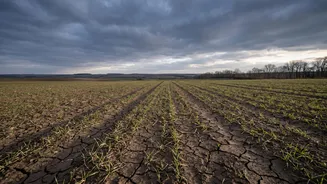
September rainfall plays a vital role in preparing for the Rabi season, which produces nearly half of India's foodgrains. These late monsoon showers are essential for two primary reasons: they determine the level of soil moisture available for sowing crops like wheat, mustard, and chickpeas, and they top up the country's major reservoirs. Sowing for the Rabi season typically begins in October, and adequate soil moisture is critical for seed germination and early plant growth. With a weak start to the monsoon in June and a deficit in August, many summer (Kharif) crops were already under stress, making this final burst of rain even more important for the agricultural cycle.
Reservoirs and Soil Moisture Levels
The current status of India's water resources presents a mixed but concerning picture. While recent rains have helped reservoir levels in western and central regions recover, the overall national storage is still below the long-term normal. As of September 10, water storage in the 178 monitored reservoirs was about 7% below the normal level for this time of year and significantly lower than last year. The situation is particularly worrying in the southern region, where reservoir levels are well below normal, and in the northern region, which also shows a deficit. This, combined with below-average soil moisture in key states like Karnataka, Maharashtra, Rajasthan, and Punjab, creates a challenging environment for farmers preparing to sow their winter crops.
Key Crops on the Watchlist
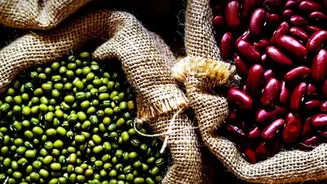
The uncertainty directly impacts major Rabi crops that are staples of the Indian diet and economy. Wheat, the most significant Rabi crop, relies heavily on sufficient subsoil moisture for planting, especially in the rainfed areas of central and western India. Without adequate September rains, farmers may delay sowing or reduce the acreage dedicated to wheat. Other important crops like gram (chana), lentils (masur), and mustard (rapeseed) are similarly dependent on the moisture left behind by the departing monsoon. Any shortfall in the production of these essential commodities could have a direct impact on food availability and prices in the months to come.
The Economic Ripple Effect
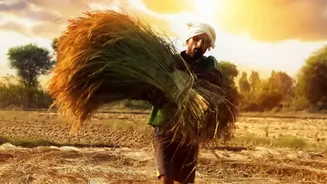
The fate of the Rabi crop is not just a rural issue; it has significant economic consequences for the entire nation. A weak harvest could put upward pressure on already elevated food inflation, a key concern for policymakers and households alike. The performance of the agricultural sector has a strong influence on rural demand for goods and services, from fast-moving consumer goods to tractors and two-wheelers. While several years of good harvests have provided a buffer, a poor Rabi season following an uneven Kharif season could strain farm incomes and dampen rural consumption. This adds another layer of complexity for the Indian economy as it navigates global uncertainties and domestic inflationary pressures.