




Why The Curbs Are Back
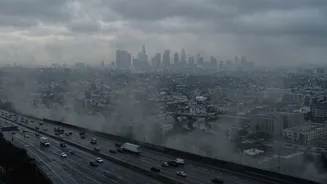
The fight against winter pollution has officially begun. On October 21, the Commission for Air Quality Management (CAQM) ordered the immediate implementation of Stage 1 of the Graded Response Action Plan (GRAP) across the entire National Capital Region.
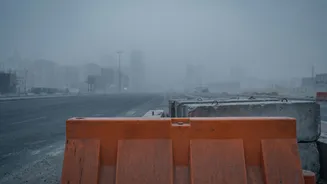
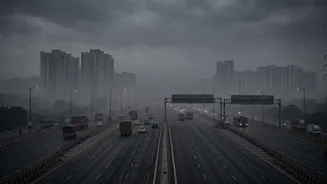
This decision came after Delhi's Air Quality Index (AQI) jumped from a 'moderate' 179 on October 20 to a 'poor' 244 the following day. With forecasts from the IMD and IITM predicting that the air quality will likely remain in the 'poor' category (AQI of 201-300), these pre-emptive measures have been activated to stop the situation from getting worse.
What is GRAP, Explained
Think of GRAP as an emergency rulebook for air pollution control. Notified in 2017 following a Supreme Court order, it's a set of proactive, incremental measures that are triggered based on the AQI levels. Instead of waiting for a public health emergency, the plan allows authorities to act early. It's divided into four stages, each with progressively stricter rules. Stage 1 is for 'Poor' air, Stage 2 for 'Very Poor,' Stage 3 for 'Severe,' and Stage 4 for 'Severe Plus' conditions. When a higher stage is invoked, the rules from the lower stages remain in effect.
The Rules of Stage 1
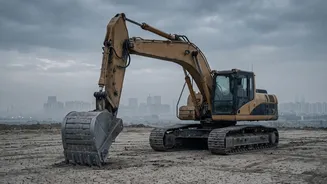
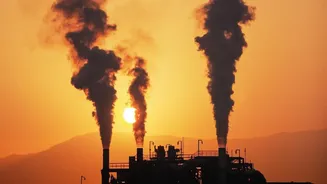
GRAP Stage 1 focuses on curbing key sources of pollution before they escalate. A major focus is on dust control. This includes mechanised sweeping and regular water sprinkling on roads, and enforcing dust mitigation measures at all construction and demolition (C&D) sites. Open burning of garbage is strictly banned, and there are curbs on certain industrial activities. The use of coal and firewood in hotel and restaurant tandoors is prohibited. Furthermore, the use of diesel generator sets is restricted, allowing them only for emergency and essential services.
Impact on Your Daily Commute
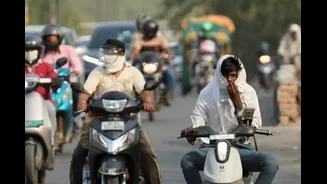
While Stage 1 does not involve drastic measures like the 'odd-even' car rationing scheme, it does tighten the screws on vehicular pollution. Authorities have been directed to intensify checks for Pollution Under Control (PUC) certificates. If you own a vehicle, ensuring your PUC is valid is crucial, as visibly polluting vehicles can be penalised or even seized. The enforcement of existing bans on over-aged diesel and petrol vehicles will also be stricter. There are no general restrictions on private cars or two-wheelers at this stage, but it serves as a clear warning for commuters to ensure their vehicles are compliant.
What Happens If Air Worsens?
Stage 1 is just the beginning. If the air quality deteriorates into the 'Very Poor' category (AQI 301-400), Stage 2 will be invoked. This would bring stricter measures, including increasing parking fees to discourage private transport and more stringent controls on diesel generators. Stage 3 ('Severe') could see a ban on construction and demolition activities and restrictions on the plying of BS-III petrol and BS-IV diesel four-wheelers. The most extreme measures under Stage 4 ('Severe Plus') could include a ban on the entry of trucks into Delhi and a decision on allowing public, municipal, and private offices to operate at 50% strength.