





Why Travel in the Monsoon?
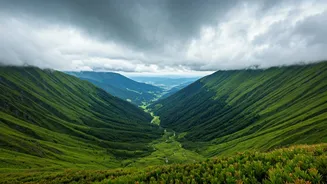
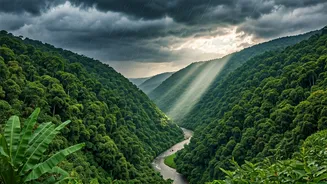
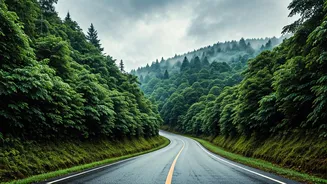
Many travellers shy away from the rainy season, but it offers a unique charm. Destinations are less crowded, and prices for flights and hotels are often lower. The rain washes the dust away, leaving behind vibrant green landscapes, gushing waterfalls,
and a romantic atmosphere perfect for enjoying a cup of chai while watching the downpour. From the misty hills of the Western Ghats to the serene backwaters of Kerala, India's beauty is amplified during this time.
Choose Your Destination Wisely
Not all destinations are created equal during the monsoon. It's crucial to pick locations that are safe and at their scenic best. Places in the Western Ghats like Lonavala, Mahabaleshwar, and Coorg are popular choices, offering spectacular views of waterfalls and verdant hills. Rajasthan's only hill station, Mount Abu, becomes lush and inviting, while destinations like Orchha and Mandu in Madhya Pradesh are also great options. However, it is highly advisable to avoid many Himalayan regions like Uttarakhand, parts of Himachal Pradesh, Sikkim, and Darjeeling, which are prone to landslides and road blockages during heavy rains. Coastal areas in Mumbai can experience severe flooding, making travel difficult.
A Smarter Packing List
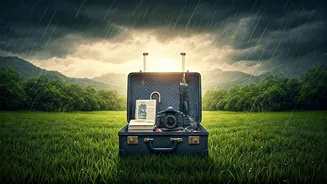
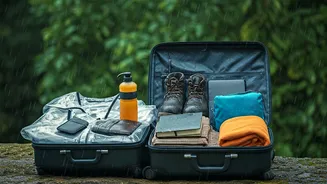
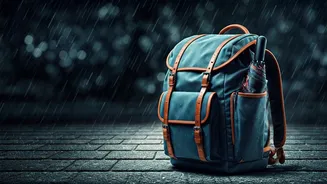
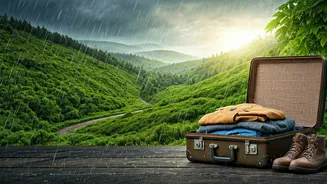
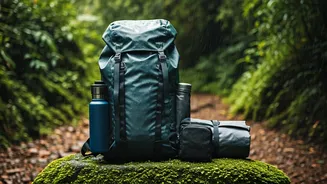
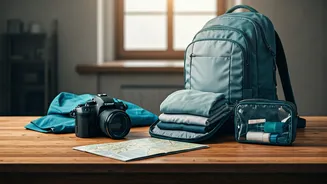
Packing for the monsoon goes beyond just an umbrella. Your clothing choices are critical; opt for lightweight, synthetic, and quick-drying fabrics instead of heavy materials like denim or cotton that stay wet for a long time. Darker coloured clothes are practical for hiding mud splashes. Footwear should be waterproof with a good grip, such as rubber sandals or anti-skid trekking shoes. To protect your electronics, passport, and cash, use waterproof dry bags or zip-lock bags. A sturdy, wind-resistant umbrella and a lightweight raincoat are non-negotiable. Also, pack a microfiber towel, which dries much faster than a standard cotton one.
Prioritise Health and Hygiene
The monsoon brings an increased risk of water-borne and mosquito-borne diseases like dengue and malaria. Always drink bottled or purified water and be cautious with street food, especially items that are raw or have been sitting out. Stick to freshly cooked meals from clean, busy establishments. Carry a basic first-aid kit with essentials like insect repellent, antiseptic wipes, bandages, and medications for common issues like fever or an upset stomach. Maintaining personal hygiene, such as frequent hand washing with soap or using a sanitiser, is crucial to prevent infections.
Navigate Potential Disruptions
Flexibility is your best friend when travelling during the monsoon. Flights can be delayed, trains can be rerouted due to flooded tracks, and road trips can be interrupted by blockages. It's wise to build buffer days into your itinerary to account for potential delays. Before setting out each day, check reliable weather apps and ask locals or your hotel about road conditions, especially if you're in a hilly or remote area. Avoid driving at night in the hills, as visibility is poor and the risk of landslides increases.