





The Race Against Time After Harvest
For generations, apple growers in Kashmir have faced a formidable challenge. The harvest season, which runs from August to October, brings a flood of produce that must be sold quickly. Apples are perishable, and without proper storage, a significant portion
of the harvest can be lost. Studies have shown that even a one-day delay in cooling can shorten an apple's storage life by up to ten days. This pressure often forces farmers into distress sales, accepting low prices from middlemen to avoid total loss. Inadequate storage infrastructure has been a major hurdle, with post-harvest losses historically cutting deep into the earnings of the more than seven lakh families dependent on horticulture.
Understanding the Cold Chain Revolution
The solution is a robust 'cold chain'—an uninterrupted series of refrigerated production, storage, and distribution activities. This is far more than just a cold room; it's a complete temperature-managed logistics network. A critical component of this system is Controlled Atmosphere (CA) storage. These advanced facilities don't just cool the fruit; they carefully manage the levels of oxygen, carbon dioxide, and humidity in the air. This process dramatically slows down the ripening process, extending the shelf life of apples from a few months to as long as ten months. This technology gives farmers the power to control supply, hold their produce, and sell when market demand and prices are favourable, effectively breaking the cycle of seasonal price crashes.
Upgrades, Subsidies, and Cooperative Power
Recognizing the critical need, farmer cooperatives across Kashmir are leading the charge to upgrade and expand this vital infrastructure. Supported by government initiatives like the J&K Horticulture Technology Mission, these groups are gaining access to subsidies of 40-50% for technology upgrades. In the 2026-27 budget, the J&K government announced plans to further expand CA storage capacity by tens of thousands of metric tonnes, aiming to close the significant gap between existing facilities and the region's needs. By working together, cooperatives can pool resources to invest in modern pack-houses, grading lines, and CA stores—investments that are often too large for individual farmers to afford. This collective approach is transforming the post-harvest landscape, particularly in the apple heartlands of South Kashmir like Pulwama and Shopian.
Protecting Kashmir's Apple Heritage
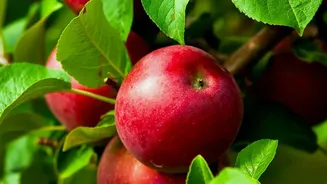
While varieties like Red Delicious are commercially dominant, these upgrades are also a lifeline for Kashmir's unique heritage apples. Varieties like the Ambri, Maharaji, and American Trel are deeply woven into the region's culture and cuisine. The Ambri, in particular, is an indigenous variety prized for its crisp texture and unique flavour but is also more vulnerable to disease and has a shorter shelf life. Improved cold storage allows these more delicate, traditional varieties to be preserved for longer, ensuring they can reach markets beyond the valley and continue to be a viable choice for farmers. By preserving these apples, the cooperatives are not just protecting a product; they are safeguarding a piece of Kashmir's agricultural identity.
The Economic Ripple Effect
The impact of a stronger cold chain is profound. Farmers who utilize CA storage report dramatic increases in income, sometimes more than doubling the price they receive for a box of apples compared to selling immediately after harvest. This increased profitability allows growers to reinvest in their orchards, affording better equipment and farming practices. It also creates stability in a sector that forms the backbone of the region's economy, contributing significantly to J&K's GDP and employing a large portion of the rural population. By reducing post-harvest losses and empowering farmers to become price-setters rather than price-takers, these cold chain upgrades are fostering economic resilience and securing the future of Kashmir's most famous export.