





Our Annual Urban Deluge
Every year, as the monsoon clouds gather, a sense of dread descends on residents of India's major cities. From Mumbai and Delhi to Bengaluru and Chennai, the story is the same. What should be a life-giving season too often brings life to a standstill.
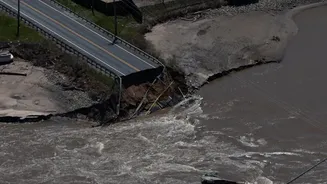
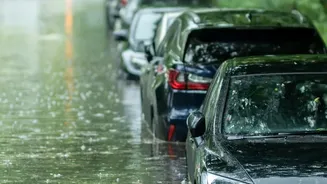
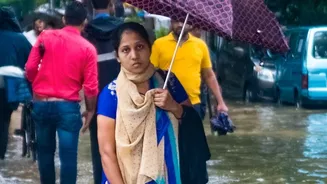
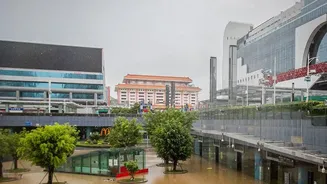
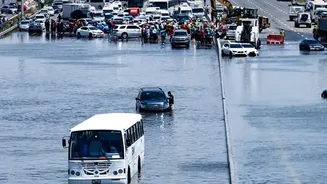
Heavy rainfall overwhelms city infrastructure, leading to severe waterlogging that disrupts commutes, damages property, and poses significant public health risks as floodwater mixes with sewage. This annual crisis is not merely an inconvenience; it exposes deep-seated vulnerabilities in how our urban centres are planned and built. While rainfall intensity has increased, the core of the problem is our cities' inability to manage the water that falls.
Why Our Cities Drown
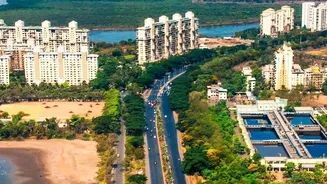
The reasons for urban flooding are a complex mix of legacy issues and modern pressures. Many drainage systems, some dating back to the colonial era, were designed for much smaller populations and lower rainfall intensities. They are now completely overwhelmed. This is compounded by rapid, often unplanned, urbanisation. The proliferation of concrete and asphalt has replaced permeable soil that would naturally absorb rainwater, leading to massive surface runoff. Furthermore, natural water bodies like lakes and wetlands, which once acted as natural sponges, have been encroached upon or built over. The final blow comes from our own habits: solid waste, particularly plastic, chokes the already inadequate drains, drastically reducing their capacity and turning moderate showers into major floods.
What 'Better Drainage' Really Means
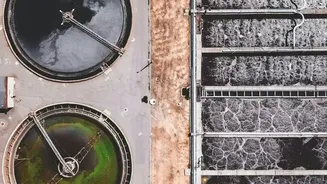
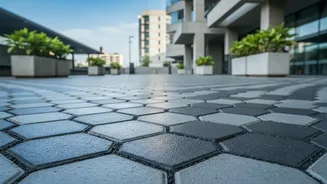
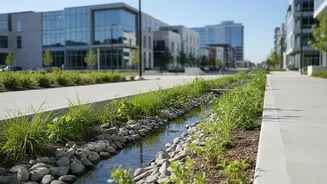
Solving this requires more than just pre-monsoon desilting or building bigger concrete drains. Modern, effective drainage is about a fundamental shift in philosophy: from rapidly expelling water to managing it intelligently. This approach is often called Sustainable Urban Drainage Systems (SUDS) or the 'Sponge City' concept. It involves integrating green and grey infrastructure. 'Grey' infrastructure includes upgrading to modern, efficient pipe-and-chamber systems that are easier to maintain than antiquated box drains. 'Green' infrastructure focuses on increasing permeability throughout the city. This can include building permeable pavements that allow water to seep through, creating rain gardens and bioswales to absorb runoff, installing green roofs, and restoring urban lakes and wetlands. The goal is to mimic the natural water cycle, slowing water down and allowing it to be absorbed into the ground, which helps prevent floods and recharges groundwater.
The Challenge of a Complete Overhaul
Implementing such a comprehensive overhaul is a monumental task. The primary hurdle is the sheer difficulty and cost of retrofitting these systems into dense, already-built urban environments. It requires immense political will, significant financial investment, and long-term planning that transcends election cycles. There is often a lack of coordination between the various municipal agencies responsible for roads, water, and sanitation, leading to piecemeal efforts rather than an integrated strategy. Furthermore, any large-scale infrastructure project inevitably causes disruption, and securing public cooperation is crucial. Enforcing regulations against illegal construction on floodplains and implementing effective city-wide solid waste management are equally critical and politically challenging components of the solution.