







Monitor Weather Forecasts Daily
Your packing strategy needs a monsoon-specific focus. Swap cotton clothes for quick-drying synthetic fabrics like polyester and nylon that won't stay damp for days in high humidity. A lightweight waterproof jacket or poncho is more practical than an umbrella,
which can be useless against strong winds. Footwear should be waterproof with excellent grip to navigate slippery surfaces and waterlogged streets. Also, pack a quick-dry microfibre towel, insect repellent to guard against an increase in mosquitoes, and anti-fungal powder to prevent skin issues.
Pack a Monsoon-Specific Kit
Your packing strategy needs a monsoon-specific focus. Swap cotton clothes for quick-drying synthetic fabrics like polyester and nylon that won't stay damp for days in high humidity. A lightweight waterproof jacket or poncho is more practical than an umbrella, which can be useless against strong winds. Footwear should be waterproof with excellent grip to navigate slippery surfaces and waterlogged streets. Also, pack a quick-dry microfibre towel, insect repellent to guard against an increase in mosquitoes, and anti-fungal powder to prevent skin issues.
Safeguard Your Electronics and Documents
Water and electronics don't mix. The high humidity and sudden downpours during the monsoon can damage your phone, camera, and power bank. Use waterproof pouches or even simple zip-lock bags to keep your gadgets and essential documents like your passport, tickets, and ID cards safe and dry. It’s also wise to carry a fully charged power bank, as power cuts can be more frequent during heavy rains. Keeping digital and physical copies of your important documents in separate waterproof sleeves is a smart backup.
Build Buffer Time into Your Itinerary
The monsoon is famously unpredictable, and delays are common. One of the smartest strategies is to build extra time into your travel schedule. Don't plan a tight itinerary with back-to-back connections. Having a buffer day can absorb the stress of a delayed flight or a rerouted train journey. This flexibility is crucial, as reports suggest a significant percentage of traveller support requests during this season are due to weather-related changes in transport schedules. Where possible, make refundable bookings for accommodation and transport.
Prioritise Health and Hygiene
Staying healthy is paramount. The monsoon season sees a higher risk of waterborne and mosquito-borne illnesses. Drink only bottled, boiled, or purified water, and be cautious about street food, especially uncooked items like salads or anything exposed to the open air. Opt for freshly prepared hot meals from clean, reputable establishments. Carry a basic medical kit containing medication for fever, stomach issues, and any personal prescriptions. Using a strong mosquito repellent, especially during the evenings, is highly recommended.
Choose Your Transport Wisely
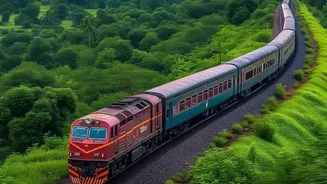
Road travel requires extra caution during the monsoon. If you are driving, reduce your speed, maintain a safe distance from other vehicles, and check your tyre condition before starting. Critically, never attempt to drive through flooded roads, as the water can hide deep potholes or debris and can even sweep a vehicle away. Night driving, especially in hilly areas, should be avoided. For long distances, trains can be a more reliable option than flights or buses, which are more susceptible to weather-related cancellations, but always check the status before heading to the station.