






What Are the New Rules for BS-VI Vehicles?
The most significant changes apply to vehicles compliant with Bharat Stage-VI (BS-VI) emission norms. The Ministry of Road Transport and Highways (MoRTH) has introduced a new system where the validity of a PUC certificate depends on the vehicle's age and whether
it is for private (non-transport) or commercial (transport) use. For private BS-VI vehicles, the new validity periods are: Up to six years old: Three years. More than six but up to 10 years old: One year. More than 10 years old: Six months. For commercial BS-VI vehicles, the rules are slightly different: Up to six years old: Two years. More than six but up to 10 years old: One year. More than 10 years old: Six months. This is a major shift from the previous uniform one-year validity for all BS-VI vehicles.
What About Older Vehicles?
The amendment also standardises the PUC validity for older vehicles across the country, eliminating regional variations. The validity periods for pre-BS-VI vehicles are now uniform: BS-IV vehicles: The validity is now set at six months nationwide. Previously, this was one year under central rules, though some states had already enforced a six-month period. BS-I, BS-II, and BS-III vehicles: The validity for these older vehicles is now three months across India.
Why the Change?
The government's objective is to create a more nuanced and effective system for monitoring vehicular emissions. Newer BS-VI vehicles are technologically more advanced with significantly lower emissions, justifying a longer interval between tests. Conversely, older vehicles, which are more likely to be higher polluters, will now be tested more frequently, ensuring they are maintained properly. This age-based system aims to reduce the compliance burden on owners of new, cleaner vehicles while increasing scrutiny on older, potentially more polluting ones. The move also standardises rules across all states, creating a unified framework.
When Do the New Rules Take Effect?
The changes were notified via the Central Motor Vehicles (Sixteenth Amendment) Rules, 2026, and came into force on November 19, 2026, the date of their publication in the Official Gazette. However, this does not mean your current PUC certificate's validity changes overnight. PUC certificates issued before this date will remain valid until their original expiry. The new validity periods will apply only when you go for your next renewal after the rules have come into effect.
Penalties for Non-Compliance
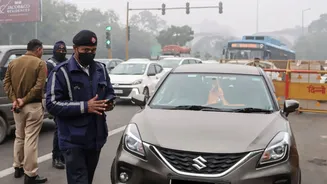
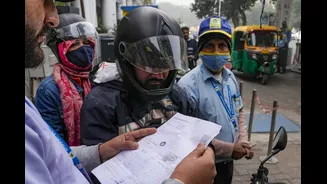
Driving without a valid PUC certificate is a violation of the Motor Vehicles Act and attracts significant penalties. Under Section 190(2) of the Act, vehicle owners can face a fine of up to ₹10,000. In some cases, non-compliance can also lead to imprisonment for up to three months or more for repeat offences. Authorities can also suspend the vehicle's registration certificate until a valid PUC certificate is produced. With the system becoming increasingly digitised and linked to the central Vahan database, enforcement is stricter than ever.