






The New Rhythm of the Rain
For decades, the story of the monsoon was about total volume. But scientists now point to a more complex and worrying trend. While the total seasonal rainfall has seen a slight decline since the 1950s, the real change is in its character. The steady,
multi-day drizzles that farmers and river systems depend on are becoming less common. Instead, the monsoon is marked by long dry spells punctuated by sudden, intense bursts of extreme rainfall. This means the country often swings between drought-like conditions and devastating floods within the same season, a phenomenon described by experts as a shift from a reliable water source to a volatile, chaotic pattern.
Why Are There Fewer Rainy Days?
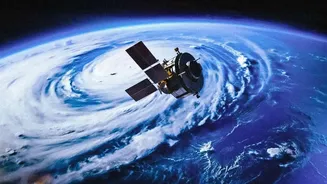
The weakening of the steady monsoon rains is linked to several factors, many driven by global and local environmental changes. The rapid warming of the Indian Ocean, particularly the Arabian Sea, alters the traditional temperature differences between land and sea that drive the monsoon winds. This can weaken the large-scale circulation that carries moisture across the subcontinent. At the same time, atmospheric pollution and aerosols can block sunlight and change air temperature patterns, further disrupting the delicate balance required for consistent rainfall. This leads to longer periods without rain, increasing stress on water resources and agriculture.
The Fuel for Intense Downpours
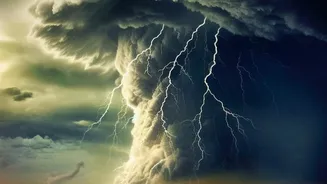
So if the overall circulation is sometimes weaker, why are the downpours getting stronger? This is the other half of the paradox. A warmer atmosphere holds significantly more moisture. For every 1°C of warming, the air can hold about 7% more water vapor. When conditions are right for rain, this supercharged atmosphere can release a massive amount of water in a very short period. These are the cloudbursts and extreme rainfall events that now frequently lead to urban flash floods and deadly landslides in mountainous regions like the Himalayas. The moisture that once fell over several days is now being dumped all at once, overwhelming natural and man-made drainage systems.
The Human and Economic Cost
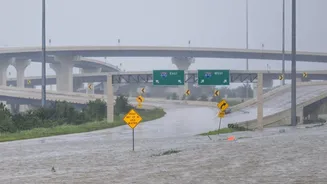
This new monsoon pattern creates a dual crisis. For farmers, the long dry spells can wither crops, forcing greater reliance on groundwater and expensive irrigation. Then, a sudden, intense downpour can flood the very same fields, destroying what's left of the harvest. Recent reports highlight the devastating impact, with extreme weather events in 2025 affecting millions of hectares of cropland and causing thousands of deaths during the monsoon season. Cities are equally vulnerable. Drainage systems designed for a different era of rainfall are quickly overwhelmed, leading to widespread flooding that paralyses transportation, damages property, and poses public health risks. Recent monsoons have demonstrated this with deadly consequences across multiple states.
Adapting to the New Normal
The message from climate scientists and meteorologists is clear: this volatility is the new normal. The changing character of the monsoon is no longer a future threat but a present-day reality. The phenomenon is also unevenly distributed; some traditionally dry regions are seeing more rain, while some of the wettest parts of the country are experiencing a decline. This requires a fundamental shift in how India manages its water, designs its cities, and supports its agricultural sector. The challenge lies not just in predicting the total amount of rain, but in preparing for its increasingly wild and unpredictable delivery.