
The Powerhouse of Pulses
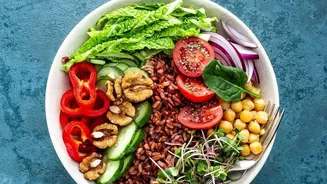
The backbone of protein in any Indian vegetarian meal is, without a doubt, the diverse family of dals and legumes. From the everyday toor dal (pigeon peas) and masoor dal (red lentils) to the heartier chana (chickpeas) and rajma (kidney beans), pulses
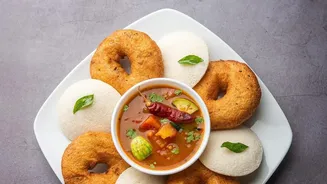
are a formidable source of protein and fibre. A single serving of cooked dal can provide a significant portion of your daily protein needs. Moong dal is known for being light and easy to digest, while urad dal forms the base of iconic dishes like idli and dosa. Chickpeas, a versatile legume, offer around 19 grams of protein per 100 grams when cooked. These are not just ingredients; they are the foundation of a balanced, high-protein diet that is both affordable and deeply familiar.
Grains and Millets Beyond Carbohydrates
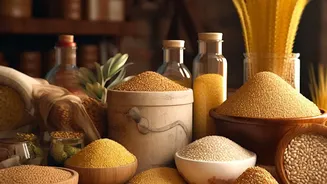
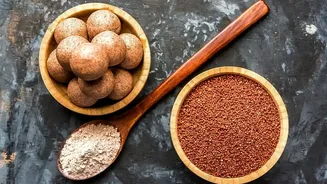
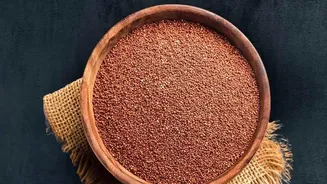
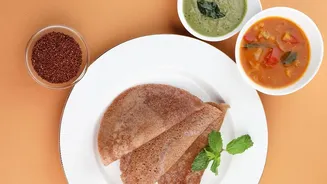
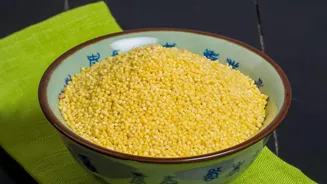
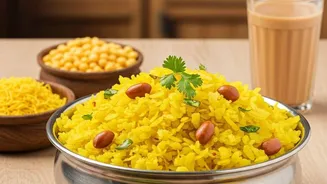
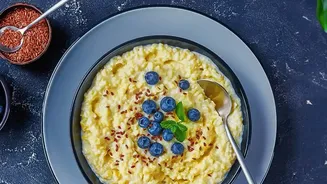
While often viewed primarily as a source of carbohydrates, Indian grains and millets are also valuable contributors to our protein intake. Millets, in particular, are making a comeback for their impressive nutritional profile. Varieties like bajra (pearl millet) and jowar (sorghum) contain a good amount of protein, often more than refined white rice. Bajra, a staple in western India, provides around 11-12 grams of protein per 100 grams. Even ancient grains like amaranth (rajgira), often consumed during fasts, are considered a near-complete protein source. Integrating these whole grains into your diet through rotis, porridges, or khichdi not only boosts protein but also adds essential fibre and minerals.
Soy, Nuts, and Seeds
Beyond the staples, other traditional and widely available foods offer a concentrated protein punch. Soybeans, in forms like soy chunks (often called 'nutri') or tofu, are a complete protein source, meaning they contain all essential amino acids. Tofu is an excellent paneer substitute for those avoiding dairy, while soy chunks can be easily added to curries and pulao for a substantial protein boost. Nuts and seeds are another powerful category. A handful of almonds, walnuts, or roasted peanuts can serve as a protein-rich snack. Seeds like pumpkin, sunflower, and sesame are not just garnishes; they are packed with protein, healthy fats, and other micronutrients that are easy to sprinkle over salads, yogurt, or meals.
The Genius of Food Combination
Perhaps the most intelligent aspect of traditional Indian cuisine is its inherent understanding of 'protein combining'. Most plant proteins are 'incomplete', meaning they lack one or more essential amino acids. Legumes like dal are typically low in the amino acid methionine, while grains like rice and wheat are low in lysine. However, when you eat them together—as in the classic combinations of dal-chawal or dal-roti—their amino acid profiles complement each other, creating a complete protein. This principle is the silent nutritional science behind meals like rajma-chawal, khichdi, and dosa with sambar. It’s a naturally evolved strategy ensuring that a vegetarian meal provides all the necessary building blocks for the body.