



A Humble Lentil's Newfound Fame
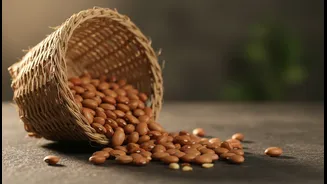
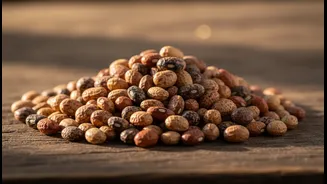
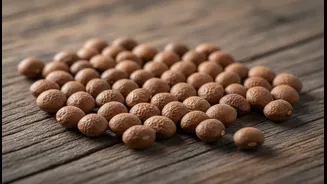
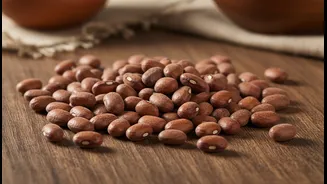
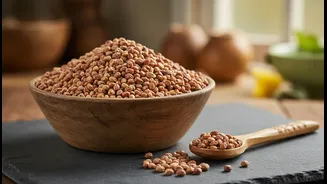
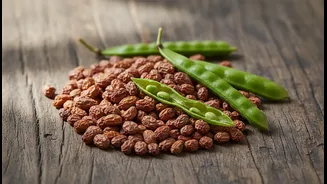
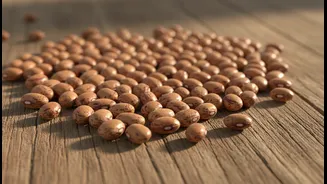
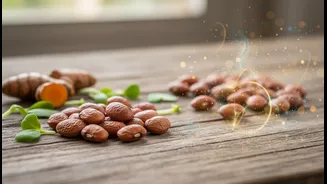
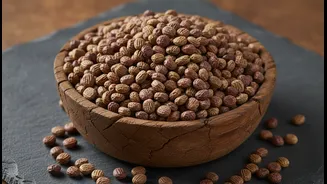
Known as kulthi in Hindi, kollu in Tamil, and ulavalu in Telugu, horse gram is a small, resilient legume that has been a part of traditional Indian diets for thousands of years. It was often valued for its ability to grow in tough, arid conditions, providing
sustenance where other crops might fail. Historically, it was also used as feed for livestock, which is how it earned its English name. Recently, however, horse gram has stepped out of the agricultural shadows and into the health and wellness spotlight. Promoted online and by wellness influencers, it's now hailed as a powerful superfood, leading many to wonder about its true potential.
The Real Nutritional Powerhouse
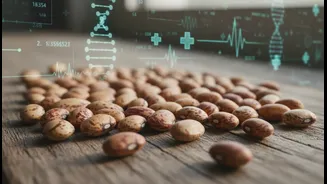
There's no doubt that horse gram is nutritionally impressive. It is an excellent source of plant-based protein, packed with dietary fibre, and contains vital minerals like iron, calcium, and phosphorus. Its protein content is comparable to other popular pulses, but it often boasts higher levels of calcium and iron. This composition makes it particularly beneficial for vegetarian diets, helping to build muscle, prevent anaemia, and support bone health. Traditional Ayurvedic and Siddha medicine have long used horse gram for various ailments, believing it to have a warming effect on the body and properties that can help with colds, fever, and even kidney stones. Its high fibre and complex carbohydrates give it a low glycemic index, which is beneficial for managing blood sugar levels.
Spotting the Superfood Hype
This is where things get complicated. The main risk with horse gram isn't the lentil itself, but the over-the-top promises you might see online. Be wary of claims that it's a "miracle cure" for serious conditions or that it will cause you to "melt fat overnight." While its high fibre and protein can help you feel full and support weight management as part of a balanced diet, no single food can magically shed kilograms without other lifestyle changes. Similarly, while some studies suggest it can be beneficial for managing diabetes or cholesterol, it is not a replacement for medical treatment. Claims that it can completely dissolve all kidney stones or cure complex diseases are an oversimplification of its traditional uses and preliminary research. The danger lies in abandoning proven medical advice in favour of these unverified food cures.
A Balanced Plate Is the Real Miracle
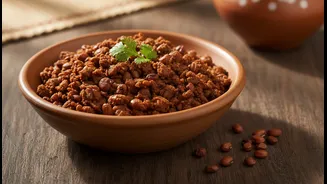
The most sensible way to enjoy horse gram is to embrace it for what it is: a highly nutritious legume. You can incorporate it into your diet in many delicious ways—as a dal, in soups like rasam, sprouted in salads, or ground into flour for rotis. Soaking the seeds overnight and cooking them thoroughly is recommended, as this can reduce compounds like phytic acid, making the nutrients easier for your body to absorb and minimising digestive issues like bloating. While horse gram is generally safe for most people, its warming nature and diuretic properties mean moderation is key. Those with gout, for example, should be mindful due to its potential to affect uric acid levels. The true miracle is not one single food, but a diverse and balanced diet rich in a variety of whole foods.