

Choosing Your Teas
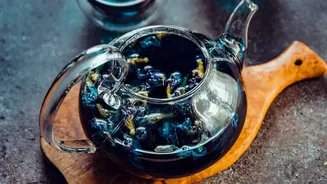
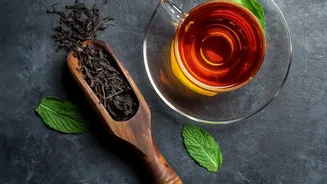
The heart of your tasting is the tea itself. Aim to select between three and five different loose-leaf teas. Offering too few limits comparison, while too many can overwhelm the palate. A great way to structure your tasting is with a 'tea flight', a selection
of teas served together for comparison. You can create a theme, such as teas from a specific country like India or Japan, or focus on a particular type, like a flight of green teas. For a broader experience, select one tea from several main categories: white, green, oolong, and black. This showcases the vast differences in processing and flavour. Arrange your tasting order from the lightest tea to the strongest to prevent delicate notes from being overpowered. Typically, this means starting with white tea, moving to green, then oolong, and finishing with black tea.
Gathering Your Equipment
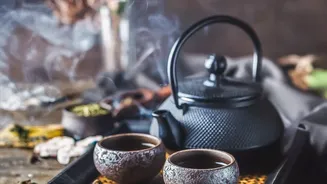
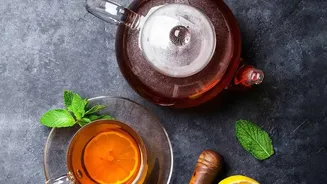
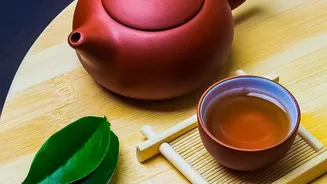
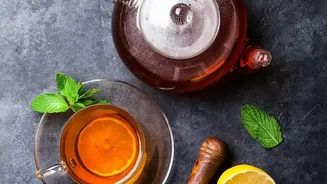
You don’t need professional cupping sets to host a wonderful tasting. The essentials are likely already in your kitchen. You will need a kettle, preferably one with temperature control, as different teas require different water temperatures for optimal flavour. You'll also need small cups for each guest; white or clear cups are ideal as they allow everyone to appreciate the colour of the brewed tea, also known as the liquor. Have a teapot or infuser for each tea, or be prepared to rinse them thoroughly between brews. Lastly, provide notecards and pens for guests to jot down their thoughts on each tea's aroma and flavour.
The Art of Brewing
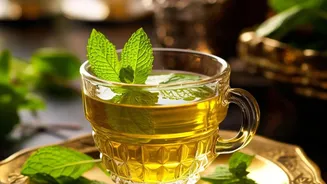
Proper brewing is crucial for bringing out the best in each tea. Water temperature and steeping time vary significantly between tea types. Using water that is too hot can scorch delicate leaves, resulting in a bitter taste. As a general rule, the less oxidized a tea is, the cooler the water should be. Here are some standard guidelines: - White & Green Teas: Use cooler water, around 70–85°C, and steep for 1–3 minutes. - Oolong Teas: These fall in the middle, requiring water between 85–96°C for 3–5 minutes. - Black & Herbal Teas: These robust teas need boiling water (100°C) and can steep for 3–5 minutes for black tea and 5–7 minutes for herbal infusions. Using a timer is highly recommended to avoid over-steeping, which is a common cause of bitterness.
Guiding the Tasting Experience
A structured tasting helps everyone engage their senses. Follow a simple four-step process for each tea. First, examine the dry leaves, noting their shape, size, and colour. Second, observe the aroma of both the dry leaves and the wet leaves after brewing. Third, look at the colour and clarity of the brewed tea in the cup. Finally, it's time to taste. Encourage your guests to take a loud slurp; this aerates the tea and spreads it across the palate, revealing more complex flavours. Ask them to consider the tea's mouthfeel (is it thin or full-bodied?), the specific flavour notes they detect, and the finish, which is the taste that lingers after swallowing.
Perfect Food Pairings
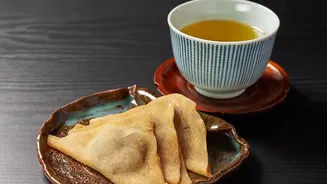
While tea is the star, simple snacks can enhance the experience. The key is to choose foods that complement, rather than overpower, the tea. Palate cleansers like plain crackers or water are essential to have between tastings. For pairings, think light and delicate. Finger sandwiches with fillings like cucumber and cream cheese are a classic choice. Scones with cream and jam pair wonderfully with black teas. Fresh fruit platters offer a refreshing and healthy option that harmonises with lighter teas like white or green. You could also offer mini quiches or other bite-sized savouries. Arrange the food on platters or a tiered stand for an elegant presentation.