






The thrill of a '50% Off' tag is hard to resist. But the satisfaction of a good deal often fades when the item wears out prematurely. Shifting focus from an item's sale price to its useful life can lead to smarter, more sustainable buying.
The Psychology of a 'Good Deal'
Sales and discounts
are designed to create a sense of urgency and trigger a fear of missing out. This can lead to impulse buys, where the decision is driven by emotion rather than a genuine need for the item. Studies have shown that a focus on quantity-over-quality often leads to higher spending and even increased debt over time. While it feels like saving money in the moment, the cycle of buying cheap, disposable goods results in frequent replacements and a cluttered home, creating what some researchers call a 'vicious feedback loop' of spending. Resisting this pull requires a conscious shift in perspective from short-term savings to long-term value.
Thinking in 'Cost Per Use'
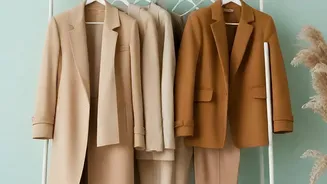
One of the most effective ways to reframe a purchase is to calculate its 'cost per use'. The formula is simple: divide the total price of an item by the number of times you expect to use it. For example, a Rs 8,000 coat worn 200 times has a cost per use of Rs 40. A cheaper Rs 3,000 coat that you only wear 30 times before it wears out has a cost per use of Rs 100, making it significantly more expensive in the long run. This simple calculation transforms the question from 'How much does this cost?' to 'How much value will I get from this?'. It helps justify investing in higher-quality items that last longer and perform better over their lifetime.
How to Assess a Product's Useful Life
Estimating an item's useful life requires becoming a more discerning shopper. Durability isn't just about being robust; it's about how well a product withstands its intended use over time. Start by examining the materials and craftsmanship. For appliances, look up the average lifespans—for example, a good refrigerator should last about 10 years, while a laptop's peak performance is typically within a 3-to-5-year window. Read reviews that specifically mention longevity, not just initial impressions. Check the warranty and the company's after-sales support, as this signals their confidence in the product's durability. A product's ability to be repaired is also crucial, as access to spare parts and service can significantly extend its functional life.
Breaking the Impulse-Buy Habit
Shifting your mindset takes practice. One of the most powerful strategies is to implement a 'cooling-off period'. When you feel the urge to buy something, especially a non-essential item, add it to your cart or a list and wait at least 24 to 48 hours. Often, the initial emotional pull will fade, allowing for a more logical decision. Another effective method is to shop with a specific list and commit to only buying what's on it. Unsubscribing from marketing emails and removing saved payment information from retail websites can also help by adding 'friction' to the buying process, giving you more time to consider if a purchase is truly necessary.
Where This Mindset Matters Most
While this approach can apply to any purchase, it provides the most significant benefits for items you use frequently or that are expected to last for years. This includes major appliances like washing machines and refrigerators, which can last a decade or more with the right choice. Furniture is another key area; a well-made sofa or dining table can serve a family for generations, unlike flat-pack alternatives that may not survive a single move. For your wardrobe, focus on the cost-per-wear of staples like coats, shoes, and workwear. A high-quality, durable pair of shoes you wear hundreds of times offers far greater value than a trendy, cheaply made pair that falls apart after one season.