






The Psychology of Warmth and Light
The connection between warm-colored light and feelings of comfort is deeply ingrained in us. Historically, the warm glow of a fire or candlelight signified safety, shelter, and community. Our brains are still wired to associate these yellowish and reddish
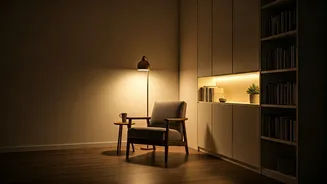
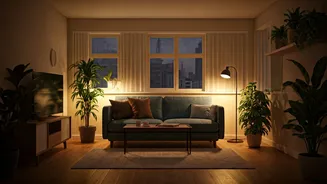
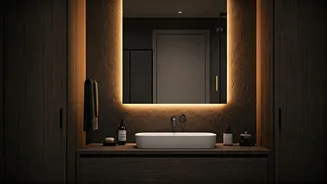
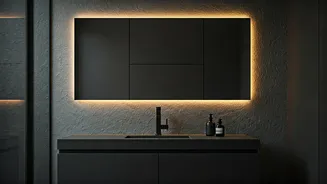
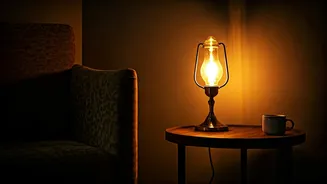
tones with actual warmth and relaxation. Light with a warmer hue can create a cozy, intimate atmosphere that makes a space feel more inviting. Conversely, cool, blue-toned light, which mimics natural daylight, is associated with alertness and productivity but can make a room feel sterile or cold if used in the wrong context. By choosing lighting that leans into the warmer end of the spectrum, you are tapping into this powerful psychological effect to counteract the cold feeling of a damp room.
Understanding Color Temperature
The key to mastering this effect lies in understanding color temperature, which is measured in Kelvin (K). This scale has nothing to do with how much heat a bulb produces, but rather the color of the light it emits. Lower Kelvin values (around 2200K to 3000K) produce a warm, soft, yellowish light similar to a traditional incandescent bulb or candlelight. This is the range you want to aim for in spaces where you want to foster relaxation and warmth, such as living rooms, bedrooms, and, yes, damp basements. Neutral white light falls between 3500K and 4500K, offering a balanced feel suitable for kitchens or bathrooms. Cool white light (5000K and above) emits a crisp, bluish light that resembles daylight and is best for task-oriented areas like offices or workshops.
Your Toolkit: Choosing the Right Bulbs
Today's lighting technology makes it easy to get the exact warmth you want. LED bulbs are the top choice for their energy efficiency and long lifespan. They produce significantly less heat than old incandescent bulbs, which converted up to 90% of their energy into heat. While LEDs do generate a small amount of heat, it is managed by internal heat sinks and is not enough to physically warm a room. The real magic of modern LEDs is their versatility. You can find LED bulbs in a wide range of fixed color temperatures. For ultimate control, consider smart LED bulbs. These can be adjusted via a remote or smartphone app, allowing you to change the color temperature and brightness to suit the time of day or your mood. You could set a bright, neutral light for daytime activities and transition to a warm, cozy glow in the evening.
The Art of Placement and Layering
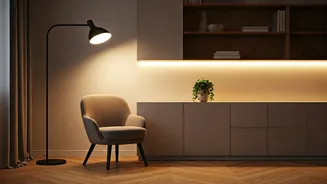
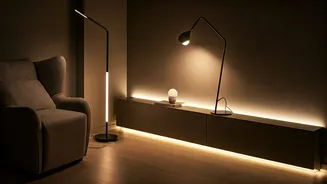
Simply swapping a bulb won't solve everything; bulb placement is just as crucial. A single, harsh overhead light can create unflattering shadows and make a room feel smaller and less comfortable. The best approach is layered lighting, which combines three types of light: ambient, task, and accent. Ambient lighting provides the overall illumination for the room, often from recessed fixtures or a central ceiling light. For a basement, recessed LED lights with a wide beam are an excellent choice as they provide even coverage without taking up precious ceiling height. Task lighting is focused on specific areas, like a reading lamp by a chair or under-cabinet lights over a workspace. Accent lighting draws attention to architectural features or decor. By layering these different sources, all with a warm color temperature, you can eliminate dark corners and create pools of inviting light that make the entire space feel warmer and more dynamic.
A Necessary Note on Dampness
It is crucial to remember that while lighting can dramatically change how a damp room feels, it does not solve the underlying moisture problem. Dampness can lead to mold, mildew, and structural issues if not properly addressed. Lighting is a perceptual fix, not a physical one. Ensure you are also taking practical steps to manage moisture, such as using a dehumidifier, improving ventilation, sealing any cracks or leaks, and ensuring proper drainage around your home's foundation. Think of warm lighting as the final, welcoming touch after you've handled the practical necessities of the space. It’s the step that turns a dry but sterile basement into a cozy and livable part of your home.