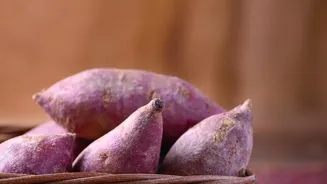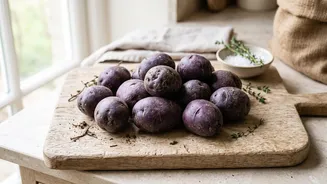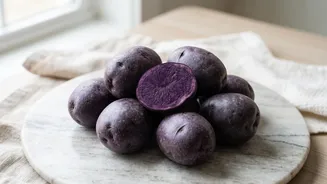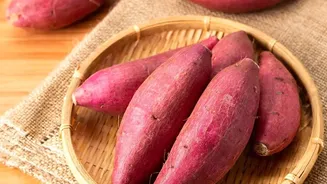






The humble potato, a staple in countless Indian kitchens, has a vibrant new cousin. Say hello to the purple potato, a striking vegetable that's more than just a pretty face. It's a nutritional powerhouse, designed to fight hidden hunger.
Meet Kufri Jamunia
Scientists at
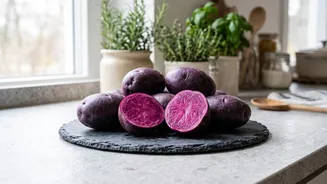
the Indian Council of Agricultural Research's Central Potato Research Institute (ICAR-CPRI) in Shimla have developed a new variety of potato named 'Kufri Jamunia'. Released in 2024, this isn't just any potato; it's a biofortified crop with deep purple skin and matching purple flesh. This distinct colour is a marker of its rich nutritional profile, setting it apart from its conventional counterparts. It is the latest in a series of coloured potatoes developed by the institute, including the purple-skinned 'Kufri Neelkanth' (2018) and the red-skinned 'Kufri Manik' (2021). However, Kufri Jamunia is unique because its beneficial pigments are present throughout the flesh, not just in the skin.
The Science of Biofortification
The term 'biofortification' might sound complex, but the idea is simple and powerful. It is the process of increasing the nutritional value of crops through conventional plant breeding or modern biotechnology. Instead of adding nutrients during food processing (like fortifying flour with iron), biofortification builds them directly into the plant as it grows. This is seen as a sustainable, long-term strategy to combat 'hidden hunger'—a condition where people consume enough calories but lack essential micronutrients like vitamins and minerals. By enhancing staple foods that are already widely eaten, biofortification makes it easier for entire populations to get the nutrients they need from their daily meals.
A Rainbow of Health Benefits
So, what makes this purple potato so special? The colour comes from natural pigments called anthocyanins, the same powerful antioxidants found in blueberries, blackberries, and jamun. These antioxidants help the body fight off harmful free radicals, which are linked to chronic diseases and aging. Kufri Jamunia is packed with significantly higher levels of Vitamin C, iron, and zinc compared to standard potato varieties. For instance, it contains about 42.75 mg of Vitamin C per 100 grams, compared to 23.15 mg in regular potatoes. This enhanced nutritional profile can help reduce inflammation, support heart health, and boost the immune system.
From the Lab to Indian Farms
Kufri Jamunia has been developed specifically for Indian agricultural conditions. It is a medium-maturing variety, ready for harvest in about 90–100 days. It has shown high yield potential in trials, producing 32–35 tonnes per hectare under recommended farming practices. The variety is particularly suited for the North Indian plains, including states like Punjab, Haryana, Uttar Pradesh, and Bihar. It also boasts good storability with a dormancy period of 6–8 weeks, meaning it doesn't sprout too quickly after harvest, which is a great benefit for both farmers and consumers. While certified seeds were initially scarce after its recent introduction, efforts are underway to make it more widely available.
What's Next for Your Plate?
The introduction of Kufri Jamunia is more than just an agricultural novelty; it represents a shift towards food–based solutions for nutritional security. With its unique colour and mealy texture, it is versatile in the kitchen, suitable for everything from traditional curries and parathas to modern preparations like baked dishes and salads. Its visual appeal and impressive health credentials give it strong potential in premium markets, which could mean better returns for farmers. As consumer awareness about health and wellness grows, biofortified foods like the purple potato are poised to become an important and delicious part of the Indian diet, turning everyday meals into an opportunity for better health.