






Why Winter Is Tough on Your Skin
First, let's understand what happens to your skin during colder months. The combination of cold, dry air outside and indoor heating creates an environment with very low humidity. This dry air actively pulls moisture from your skin, a process known as
transepidermal water loss. This weakens your skin's natural protective barrier, which is made of cells and lipids designed to keep moisture in and irritants out. A compromised barrier leads to symptoms many of us know all too well: tightness, flakiness, redness, and increased sensitivity. Even products that feel fine in July can suddenly cause stinging or irritation in December.
The Potent Power of Fruit Peels
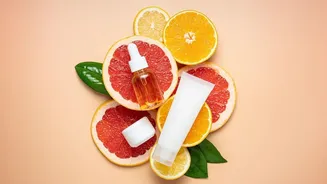
Fruit peels, especially from citrus fruits like oranges and lemons, are popular in homemade packs for a reason. They are a natural source of Alpha-Hydroxy Acids (AHAs), such as citric and malic acid. These acids are chemical exfoliants that work by dissolving the bonds holding dead cells on the skin’s surface, revealing brighter, fresher skin underneath. In professionally formulated products, AHAs are used at specific, controlled concentrations and pH levels to ensure they are both effective and safe. They can help with concerns like dullness, uneven texture, and even fine lines. The promise of achieving these results from a simple kitchen ingredient is understandably appealing.
The Risk of a DIY Disaster
Here's where the problem lies: applying raw fruit acids directly to your face is an uncontrolled experiment. The concentration and pH of the acids in a fruit peel are unknown and can be very potent. When you apply these unregulated acids to a skin barrier already weakened by winter conditions, you risk significant irritation, redness, and increased dryness. Dermatologists warn that this can disrupt your skin's delicate microbiome and pH balance, leading to more problems. Instead of a healthy glow, you could end up with a chemical burn, hyperpigmentation (dark spots), or a flare-up of conditions like rosacea or eczema.
What Dermatologists Advise for Winter Exfoliation
Exfoliation is still beneficial in winter; it helps remove the build-up of dry, dead cells and allows your moisturiser to penetrate more effectively. However, the key is to be gentle. Most dermatologists recommend reducing exfoliation to just once or twice a week during colder months. It's also advised to switch from harsh physical scrubs to gentle chemical exfoliants. Look for products containing lactic acid or Polyhydroxy Acids (PHAs), which have larger molecules and don't penetrate as deeply, making them a kinder choice for sensitive winter skin. Always follow exfoliation with a rich, barrier-supporting moisturiser containing ingredients like ceramides, hyaluronic acid, or shea butter to lock in hydration.
Safer At-Home Alternatives for a Healthy Glow
If you love the ritual of a homemade mask, don't despair. Simply shift your focus from harsh peels to hydration and nourishment. For a soothing and moisturising treatment, consider mixing ingredients like mashed avocado (rich in fatty acids), plain yogurt (contains gentle lactic acid), honey (a natural humectant and anti-bacterial), and oatmeal (known for soothing properties). These ingredients help to hydrate and calm the skin without the risks associated with potent, uncontrolled fruit acids. A mask made from cucumber and aloe vera can also provide a cooling burst of hydration for skin that feels tight and irritated. Always remember to perform a patch test on a small area of skin before applying any new mixture to your entire face.