





First, Understanding the 'Conditions'
The phrase 'subject to local conditions' is crucial for any North Sikkim plan. It refers to a combination of factors that can change with little notice. Since the region shares a border with China, all travel is regulated. Both Indian and foreign tourists
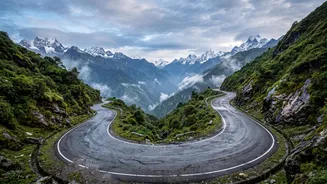
require a Protected Area Permit (PAP) to enter North Sikkim, which is typically arranged by registered local tour operators. Furthermore, the weather in these high-altitude areas is notoriously unpredictable. Heavy snowfall, especially from late November onwards, or monsoon rains can trigger landslides, leading to sudden road closures. Key routes to Lachen and Lachung can be cut off, sometimes for days, making it vital to have a flexible mindset.
Day 1: Arrival and Acclimatisation in Gangtok
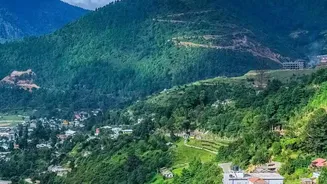
Your journey begins with your arrival at Bagdogra Airport (IXB) in West Bengal or Pakyong Airport (PYG) in Sikkim. The drive to Gangtok, Sikkim's capital, takes around 4-5 hours from Bagdogra. Use this first day to settle into your hotel and acclimatise to the altitude (around 5,500 feet). Take a leisurely stroll down the vibrant MG Marg, a pedestrian-only street perfect for soaking in the local atmosphere and enjoying a meal. This gentle start is essential before heading to higher altitudes later in the trip.
Day 2: Exploring Gangtok and its Surroundings
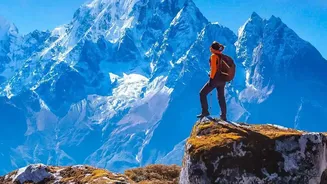
Dedicate the second day to local sightseeing. A popular excursion is the trip to Tsomgo Lake, an ethereal glacial lake located at about 12,400 feet. Nearby is the Baba Harbhajan Singh Mandir, a shrine with a fascinating history. A permit is also required for this trip, which your driver or tour operator will arrange. The journey offers spectacular mountain views. Be aware that access to Tsomgo Lake and especially Nathula Pass (the Indo-China border) can also be restricted by weather, particularly with early winter snow. Return to Gangtok in the evening.
Day 3 & 4: The North Sikkim Adventure to Lachen and Lachung
This is where the itinerary splits. The classic route involves driving to Lachen (around 6 hours from Gangtok), a quiet village that serves as the base for Gurudongmar Lake. The next morning, you would make the early start for the breathtaking, high-altitude lake (17,800 ft) before travelling onward to the village of Lachung in the afternoon. The following day (Day 5), you'd visit the stunning Yumthang Valley, known as the 'Valley of Flowers', and possibly Zero Point, before making the long drive back to Gangtok. This two-night, three-day loop covers the highlights of North Sikkim.
Day 5: Return to Gangtok
If you follow the classic North Sikkim loop, Day 5 involves a long but scenic drive back from Lachung to Gangtok. The journey takes you back through winding mountain roads, waterfalls, and small villages. You will likely arrive in Gangtok by the late evening, tired but full of memories from the rugged landscapes of the north. This day is mostly dedicated to travel, allowing you to rest up before your departure the next day.
Plan B: When North Sikkim is Inaccessible
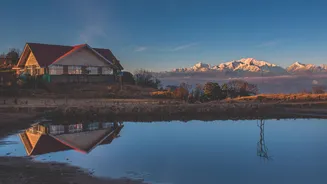
If permits for North Sikkim are not issued or roads are closed, don't be disheartened. Sikkim offers incredible alternatives. Use the three days to explore West or South Sikkim. You could travel to Pelling in West Sikkim, which offers phenomenal views of the Kanchenjunga range, the Pelling Skywalk, and historic ruins. Alternatively, head south to Ravangla, home to the serene Buddha Park, and Namchi, with its towering statues and temples. These regions are generally accessible year-round and do not require the same stringent permits as the north.
Day 6: Departure
On your final day, enjoy a final Sikkimese breakfast before making the drive back to Bagdogra Airport or NJP Railway Station for your journey home. The drive will take several hours, so plan your departure from Gangtok accordingly based on your flight or train schedule. You'll leave with a camera full of mountain vistas and a newfound appreciation for the importance of flexible travel planning.