

The Varkala Allure
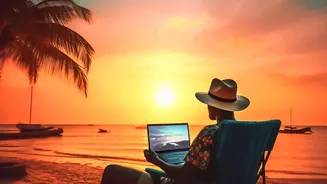
Perched along the coast of Kerala, Varkala has long been a haven for international backpackers and yoga enthusiasts. But now, it's capturing the imagination of a new demographic: India's own digital nomads, freelancers, and creative professionals. The
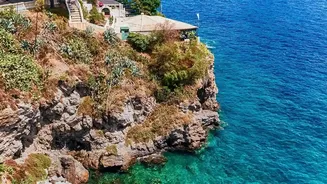
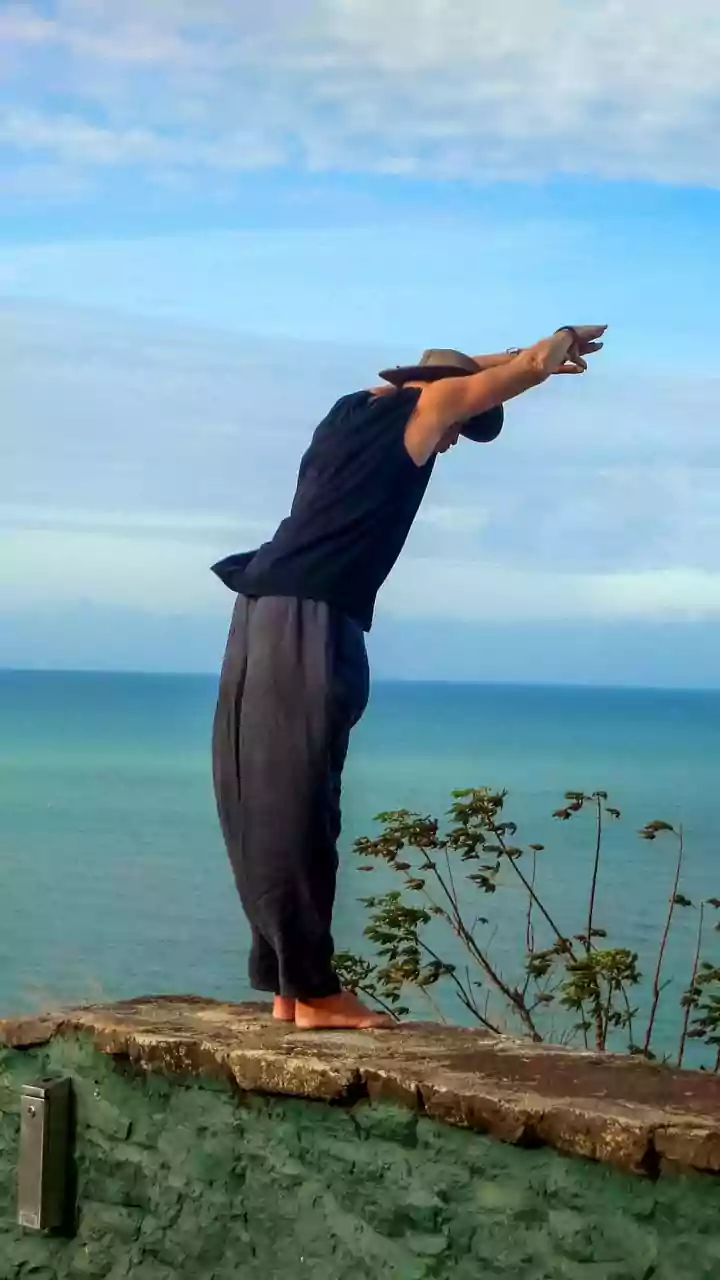
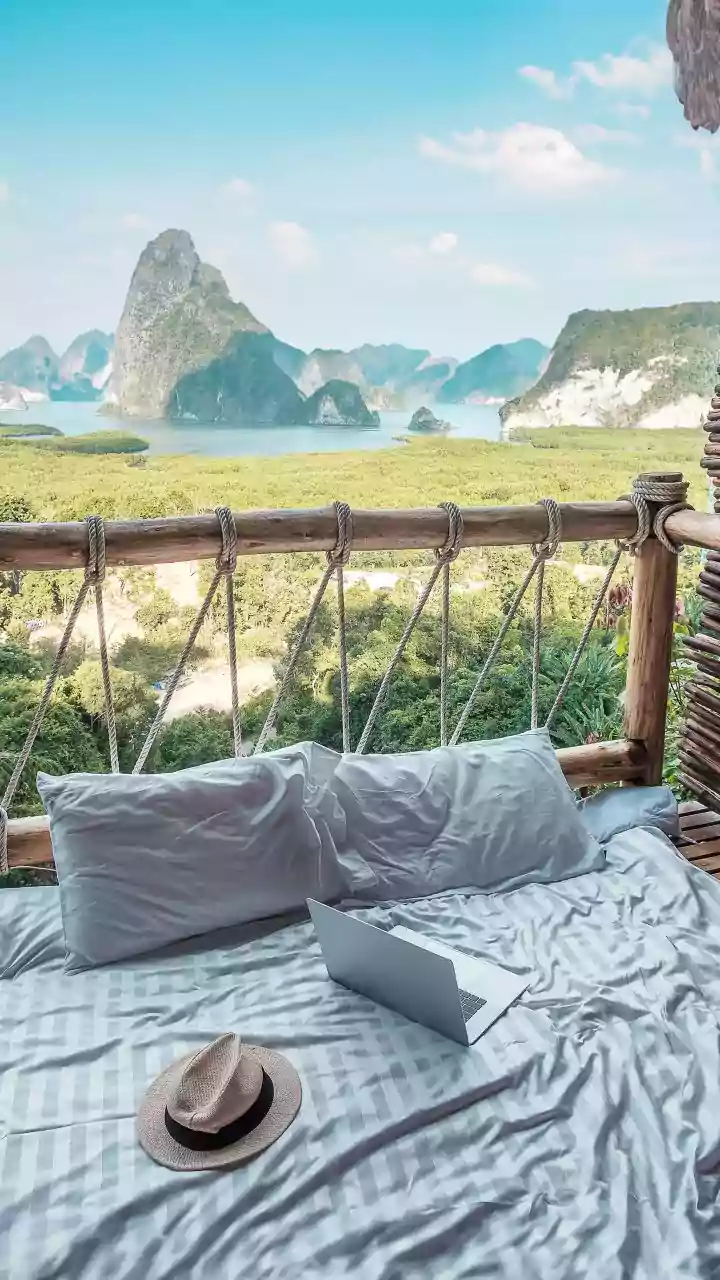
appeal is multi-layered. First, there's the undeniable scenic beauty. The iconic red laterite cliffs fringe the Arabian Sea, offering breathtaking sunset views from a string of cafes and shops. Unlike the flat beaches of Goa, Varkala's elevated perch gives it a unique character. The vibe is a blend of spiritual retreat and bohemian beach town, with surf schools, yoga shalas, and healthy-eating cafes dotting the landscape. For creators, this environment isn't just a backdrop; it's a source of inspiration, a place to disconnect from urban chaos and reconnect with their craft.
More Than Just a Room
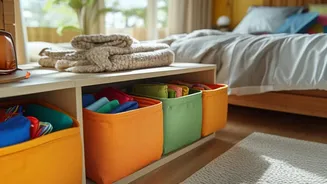
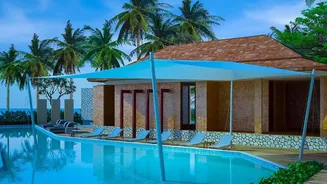
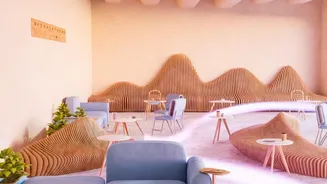
The rise of co-living spaces has been the key that unlocked Varkala for long-term stays. These aren't just hostels or guesthouses; they are curated environments designed for the remote professional. A typical monthly package offers more than just a bed. It's a bundle that includes accommodation, high-speed internet with power backup, a dedicated workspace, and, most importantly, a built-in community. Spaces are designed to foster interaction, with common areas, shared kitchens, and organized events like skill-sharing workshops, movie nights, or group treks. This solves one of the biggest challenges of solo remote work: isolation. Instead of being just another tourist, you become part of a transient but tight-knit community of like-minded individuals.
Decoding the Budget Package
The term "budget" in Varkala is appealingly affordable. Monthly packages can be found in a wide range, often starting from around ₹25,000 and going up to ₹50,000 or more, depending on the level of comfort and privacy. A lower-end package might get you a bed in a clean, air-conditioned dorm with access to all common facilities. As you move up the price ladder, you can secure private rooms, some with ensuite bathrooms and balconies. Most co-living spaces offer a shared community kitchen where you can cook your own meals, significantly lowering daily expenses. However, the cliffside restaurants and local eateries in Varkala town offer plenty of tempting and affordable options for those who prefer to eat out.
The All-Important Community
For many creators, the primary draw of these spaces is the network. You might find a graphic designer brainstorming a logo with a content writer, or a programmer sharing productivity hacks with a social media manager. These are spaces built on the principle of collaboration over competition. The organic networking opportunities can lead to new projects, valuable feedback, and lasting professional relationships. Hostels and co-living hubs explicitly market themselves as places for digital nomads and 'work from home' professionals, ensuring the residents share a similar lifestyle and understanding of the need for both quiet work time and social interaction. The focus is on creating a vibe that is productive without being corporate and social without being a constant party.
Practical Points to Ponder
Before you pack your bags and book a one-way ticket, a few practical considerations are in order. Wi-Fi is the lifeblood of any remote worker, and while co-living spaces advertise high-speed connections, it's wise to check recent reviews or ask directly about speed and reliability. Power backup is another non-negotiable. Proximity is also key; decide if you want to be in the heart of the North Cliff's bustle or in a quieter spot on the South Cliff or Odayam Beach. A great strategy recommended by frequent travellers is to book a space for a few days first. This allows you to experience the place in person and explore other options before committing to a full month. Reading reviews and understanding the house rules will help ensure you find a community that matches your personal work style and social preferences.