






The New Face of Goan Productivity
Goa has long been India's quintessential holiday spot, a haven for sun-seekers and party-goers. But a quieter revolution is taking place, particularly in its serene southern half. The rise of remote work has introduced a new type of visitor: the digital
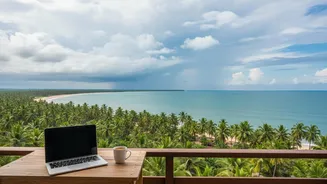
nomad. These professionals, armed with laptops and flexible schedules, are seeking more than just a fleeting vacation; they are looking for a place to live and work for weeks or months at a time. This shift has been officially recognized, with the Goan government actively promoting the state as a prime 'work from beach' destination. Unlike the fleeting tourist, these remote workers integrate into the local fabric, creating a year-round demand for services that extends beyond the traditional tourist season.
A Strategic Business Move
The decision by co-working spaces to offer discounted passes is not just a gesture of goodwill; it's a savvy business strategy. Goa's tourism has always been cyclical, with a bustling peak season from November to February followed by the quieter shoulder months and the monsoon lull. During these off-peak times, many businesses traditionally faced a sharp drop in revenue. Co-working spaces are now tapping into the digital nomad community to create a more stable, year-round income stream. By offering lower prices on daily, weekly, or monthly passes, they ensure their desks remain occupied and their community stays vibrant, even when the tourist crowds have thinned. This creates a win-win scenario: remote workers get access to affordable, professional infrastructure, and local businesses enjoy consistent patronage.
What's on Offer in the South?
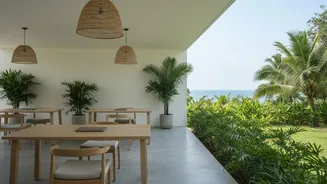
While North Goa is famous for its vibrant party scene, South Goa is known for its laid-back atmosphere, pristine beaches, and lush landscapes, making it particularly appealing for those seeking focus and tranquility. Co-working spaces here, from dedicated hubs in towns like Margao to integrated models within hostels in Palolem, are catering to this demand. These spaces provide the essentials that remote workers desperately need but can't always find in a typical rental: high-speed, reliable internet and consistent power backup—a crucial feature given the region's occasional power cuts. The passes on offer vary, but often include flexible access, from single-day hot desks for under ₹1000 to more economical monthly packages that provide a dedicated spot.
More Than Just Fast Wi-Fi
The appeal of these spaces goes far beyond infrastructure. For many remote workers, loneliness and a lack of community are significant downsides of the lifestyle. Co-working hubs in South Goa are actively solving this by fostering a strong sense of community. They serve as networking centers where freelancers, startup founders, and employees from various industries can connect and collaborate. Many host regular events, workshops, and social gatherings, helping members build professional networks and personal friendships. This community aspect is a powerful draw, transforming a simple desk rental into a holistic work-life experience and making the transition to a new place far less isolating.
The Ripple Effect on the Local Economy
The influx of these medium-to-long-term residents is having a noticeable impact on South Goa's economy. Unlike tourists who might stay for a week, remote workers often rent accommodation for months, shop at local markets, and become regulars at nearby cafes and restaurants. This sustained spending provides a vital boost to a wide range of local businesses, especially during the off-season. While the trend has contributed to rising rental prices in some popular areas, it also signals a shift towards a more diversified and sustainable economic model for the state, one less reliant on the volatile patterns of seasonal tourism and more focused on building a permanent, creative community.