





Before 'probiotic' became a wellness buzzword, Indian kitchens were already mastering the art of fermentation. Long before kombucha, ancient staples were quietly cultivating the gut-friendly bacteria that modern diets desperately need.
The Gut Health Revolution in Your Kitchen
In recent years,
gut health has shifted from a niche topic to a mainstream wellness pillar. At the heart of this conversation are probiotics: live, beneficial bacteria that support a healthy digestive system. These microorganisms play a vital role in everything from digestion and nutrient absorption to immunity. While the global market is now filled with probiotic supplements and trendy fermented drinks, India's culinary heritage has offered these benefits for centuries through everyday foods. The process is simple yet profound: fermentation uses microorganisms like bacteria and yeast to break down sugars and starches in food, not only preserving it but also enriching it with flavour and health-boosting properties.
Idli and Dosa: More Than Just Breakfast
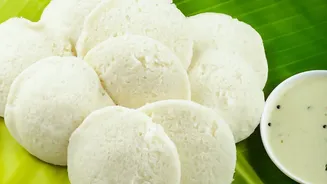
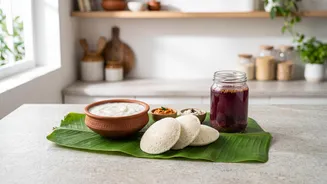
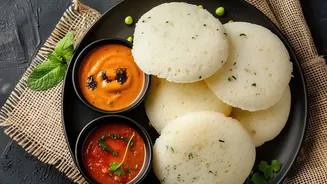
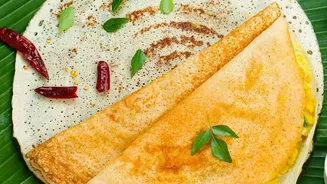
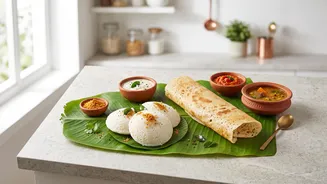
The soft, steamed idli and the crispy, golden dosa are beloved staples, particularly in South India. Their magic lies in the fermented batter of rice and urad dal (black gram). When left to sit overnight, a natural process unfolds where lactic acid bacteria get to work. This fermentation pre-digests the carbohydrates and proteins, making these dishes remarkably easy on the stomach. More importantly, it infuses the batter with probiotics, which help maintain a healthy balance of gut flora. This ancient practice doesn't just create a delicious texture; it enhances the bioavailability of nutrients like B vitamins and minerals, turning a simple meal into a nutritional powerhouse.
Dahi: The Original Probiotic Superfood
Long before probiotic yogurts lined supermarket shelves, there was dahi (curd). A fixture in Indian households, homemade dahi is a potent and natural source of probiotics, primarily from the Lactobacillus family. These beneficial bacteria aid digestion, can help manage lactose intolerance, and contribute to a robust immune system. The live cultures in dahi help replenish the good bacteria in your gut, which is crucial for overall wellness. Whether eaten plain, made into a refreshing chaas (buttermilk), or used as a base for raita, dahi is perhaps the most accessible and versatile probiotic food in the Indian diet.
Dhokla and Kanji: Regional Fermented Gems
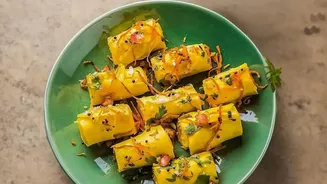
Beyond the more widely known staples, India's diverse culinary landscape is dotted with regional fermented treasures. From Gujarat comes dhokla, a spongy, savoury snack made from fermented chickpea flour. The fermentation process not only gives it a light, airy texture and tangy flavour but also breaks down complex nutrients, making it easier to digest. Meanwhile, in North India, gajar ki kanji is a traditional probiotic drink made by fermenting black carrots or beetroot with mustard seeds and salt. This tangy, vibrant beverage is celebrated for its digestive benefits and is packed with antioxidants and beneficial bacteria.
Reclaiming Tradition in a Modern World
In an era of processed foods and fastpaced lifestyles, there has been a noticeable shift away from traditional eating habits. This change can impact our gut microbiome, potentially leading to digestive issues and weakened immunity. Reintroducing these ancient fermented dishes into our modern diets is not about nostalgia; it's a scientifically sound way to improve our health. Regular consumption of foods like idli, dosa, and dahi has been linked to increased gut microbe diversity and a reduction in inflammatory markers. By embracing the wisdom of our ancestors, we can naturally support our digestive health and overall wellbeing.