

A Flavour Profile Shift
For years, the menus at many trendy urban cafés relied on a familiar roster of international ingredients. That is now changing. A growing number of chefs are turning inward, looking to India's own diverse pantry for inspiration. This shift is bringing
the unique and potent flavours of the Northeast to the forefront. Ingredients once confined to regional home kitchens are now appearing in everything from artisanal sauces to contemporary main courses in cities like Delhi, Mumbai, and Bengaluru. This isn't about novelty for novelty's sake; it's a genuine appreciation for the complexity these ingredients offer, moving beyond stereotypical views of Indian food.
The Stars: Bhut Jolokia and Axone
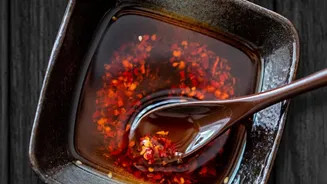
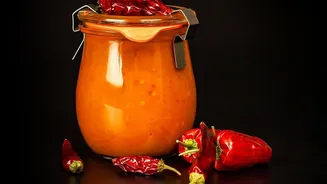
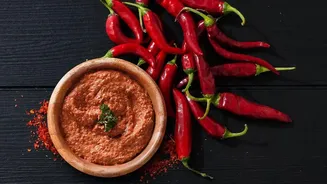
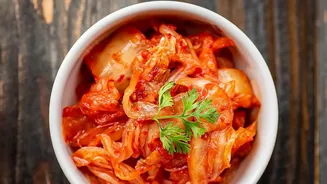
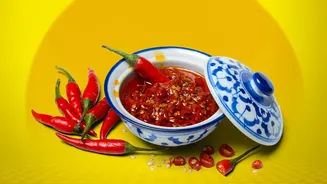
At the heart of this trend are two standout ingredients: Bhut Jolokia and fermented condiments like Axone. The Bhut Jolokia, or ghost pepper, is world-renowned for its intense heat, once holding the world record. But chefs are now looking past the fire to appreciate its smoky and slightly fruity undertones. It’s being used to create fiery chilli oils, punchy dips, and even infuse chicken dishes. Equally important is Axone (also called Akhuni), a fermented soybean paste from Nagaland with a powerful, pungent, and deeply savoury flavour. This umami-rich ingredient acts as a fantastic flavour base, adding complexity to sauces, meat rubs, and even vegetarian dishes without a long list of other seasonings. It’s a prime example of how fermentation, a technique central to Northeast Indian cuisine, is being rediscovered in modern kitchens.
Chefs Leading the Charge
This culinary movement is championed by a new generation of chefs, many with roots in the Northeast, who are eager to showcase their heritage with a creative twist. They are skilfully translating traditional flavours for a modern audience. For example, some are reimagining classic dishes as cafe-friendly small plates, like crostinis. Others are developing innovative products like Axone salt, an umami-rich powder that can be easily sprinkled over dishes. These culinary experts are not just toning down flavours for a wider palate; they are finding inventive ways to balance the intensity of these ingredients, pairing them with other elements to create a harmonious and exciting dish. This involves turning fermented bamboo shoots and smoked pork into sophisticated vinaigrettes, sauces, and spice rubs.
More Than Just a Meal
The integration of Northeastern ingredients into urban café culture signifies a broader shift. It reflects a growing consumer appetite for authentic, regional Indian cuisines. Diners are moving beyond the standard fare and showing a keen interest in exploring the country's rich culinary map. This trend helps challenge outdated stereotypes about the Northeast and its food, fostering a greater appreciation for its cultural and culinary diversity. By placing ingredients like fermented bamboo shoots (Khorisa), black rice, and GI-tagged Joha rice on their menus, these cafés are not just serving food; they are telling a story about geography, tradition, and the incredible abundance of India’s local produce.