


The Magic of the Post-Monsoon Season
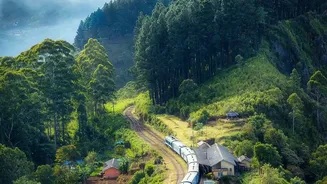
The ideal window to experience Satara's splendour is from September to February. During these months, the landscape is at its most vibrant. The heavy rains have nourished the land, leaving behind lush greenery, and the waterfalls are still at their peak
flow before winter sets in. Temperatures are pleasant, ranging from 15°C to 30°C, creating perfect conditions for sightseeing, trekking, and soaking in the panoramic views without the disruption of constant rain. This period strikes a perfect balance, offering the freshness of the monsoon with the clear, comfortable days of early winter.
Crafting Your Route from Mumbai and Pune
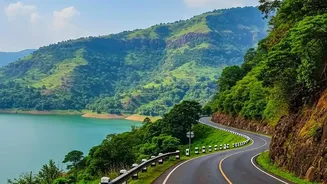
Satara is easily accessible from both Mumbai (around 260 km) and Pune (around 110 km), making it an ideal weekend road trip destination. The most straightforward route is via the Mumbai-Pune Expressway followed by National Highway 48 (the Mumbai-Bangalore highway). This drive is generally smooth and takes approximately 5-6 hours from Mumbai and 2-3 hours from Pune, depending on traffic. While post-monsoon road conditions are usually good, it's wise to start early to avoid city traffic and have ample daylight for ghat sections. Always check for local advisories, as heavy residual rains can sometimes cause temporary disruptions.
Highlight: The Kaas Plateau UNESCO Site
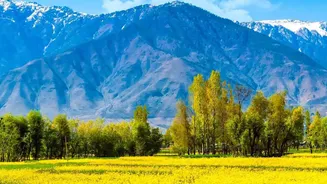
The crown jewel of a post-monsoon Satara trip is undoubtedly the Kaas Plateau, a UNESCO World Natural Heritage site. Known as Maharashtra's Valley of Flowers, this lateritic plateau transforms into a carpet of over 850 species of wildflowers for a few weeks each year. The blooming season typically starts in late August or early September and peaks from mid-September to early October. To protect the fragile ecosystem, the number of daily visitors is restricted to 3,000, divided into time slots. It is highly recommended to book your tickets online in advance, especially for weekend visits. The vibrant landscape, dotted with yellows, pinks, and purples, is a photographer's and nature lover's dream.
Chasing Waterfalls: Thoseghar and Beyond
After the monsoon, Satara's waterfalls are a spectacular sight. The most famous is Thoseghar Falls, located about 20 km from Satara city. It's a series of cascades, with one plunging from a height of about 200 metres. A well-maintained viewing platform allows you to safely witness its grandeur. The best time to visit is from July to November when the water volume is at its highest. Beyond Thoseghar, the region is dotted with other falls like the Vajrai Falls, which is one of India's tallest. The drive to these sites is scenic in itself, with smaller streams and lush valleys accompanying you along the way.
A Dose of Maratha History
Satara is named after the seventeen walls of its fort and is steeped in Maratha history. To add a historical dimension to your trip, visit Ajinkyatara Fort, which offers a stunning 360-degree view of Satara city from an altitude of 3,300 feet. It's a popular spot for a morning trek. Another significant site is Sajjangad Fort, known as the final resting place of Saint Ramdas. The fort is well-maintained and accessible by vehicle almost to the top, followed by a short climb of around 200 steps. It provides a serene atmosphere and sweeping views of the Urmodi Dam backwaters.
Practical Tips for a Smooth Journey
For accommodation, Satara town serves as an excellent base, offering a range of hotels from budget-friendly options to more comfortable establishments like The Fern Residency. For a unique experience, consider farm stays or agro-tourism resorts in the surrounding areas. When it comes to food, don't miss out on authentic Maharashtrian cuisine. Look for local eateries serving pithla-bhakri and other regional specialities. While driving in the ghats, use engine braking on slopes, drive cautiously on wet patches, and avoid stopping at blind curves. Keep snacks and water handy, as amenities can be sparse once you leave the main town.