







The familiar experience of ordering a meal on a long-distance train journey is set to change. IRCTC is piloting a new, shorter menu on key routes, a move it says will lead to better quality, faster service, and improved hygiene for millions of passengers.
From Elaborate to Essential
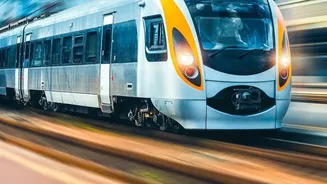
Indian Railways is testing a 'less is more' approach to its onboard catering. In a pilot project that began on November 1, 2026, the Indian Railway Catering and Tourism Corporation (IRCTC) has significantly trimmed its menu on select Vande Bharat sleeper trains. The trial, currently active on the New Delhi-Varanasi, Mumbai-Bengaluru, and Howrah-Kamakhya routes, reduces the number of items per meal from as many as eight or ten down to a focused selection of four. This move mirrors the service style of airlines, aiming to address persistent passenger complaints about food quality and consistency. If the feedback from this trial is positive, this streamlined menu could be rolled out to a wider network of long-distance trains.
The Rationale: Quality Over Quantity
The primary driver behind this change is the challenge of maintaining high standards with an extensive menu. Railway officials believe that managing a large variety of dishes in the limited space and time of a train's pantry car presents significant operational hurdles. These challenges can affect everything from freshness to hygiene. By reducing the number of menu items, IRCTC aims to make quality control far more manageable. A simpler menu allows catering staff and supervisors to focus on ensuring each dish is prepared and served correctly, rather than juggling a complex inventory of ingredients and accompaniments. This simplification is expected to lead to better-tasting food, improved hygiene, and a more consistent passenger experience across the network.
What’s On the New, Shorter Menu?
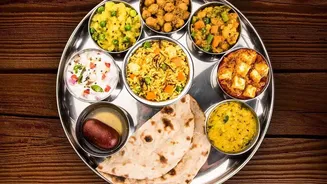
So, what can passengers on these trial routes expect? The new menu focuses on core, popular dishes. For breakfast, options like soup, omelettes, sandwiches, and buttermilk have been removed. Instead, passengers can now choose from a simpler selection that includes Idli-Vada with sambar and chutney, Poha, or Upma. For lunch and dinner, the elaborate spread of the past is gone. Items like dry vegetables, curd, salad, pickles, and sweets are no longer part of the standard meal tray. The main meal now consists of chapati, rice, dal, and one primary vegetable dish, with a chicken option available for non-vegetarian passengers. This change also means the total weight of a meal has been reduced from around 700-750 grams to approximately 450-500 grams, though IRCTC officials state the portion size of the remaining items is unchanged.
Streamlining the Entire Supply Chain
The menu isn't the only thing changing. To support this new model, IRCTC is also revamping its supply chain. The corporation is partnering with major hospitality groups and large-scale cloud kitchens, such as TajSATS and the Mayfair Group, to prepare the meals. This move separates meal preparation from onboard service, allowing for production in controlled, modern kitchen environments instead of relying solely on traditional pantry cars or smaller vendors. This strategy is designed to ensure that the food loaded onto trains already meets stringent quality and hygiene benchmarks. By professionalizing the food preparation process and simplifying the menu, IRCTC hopes to build a more reliable and efficient catering operation from the ground up.