
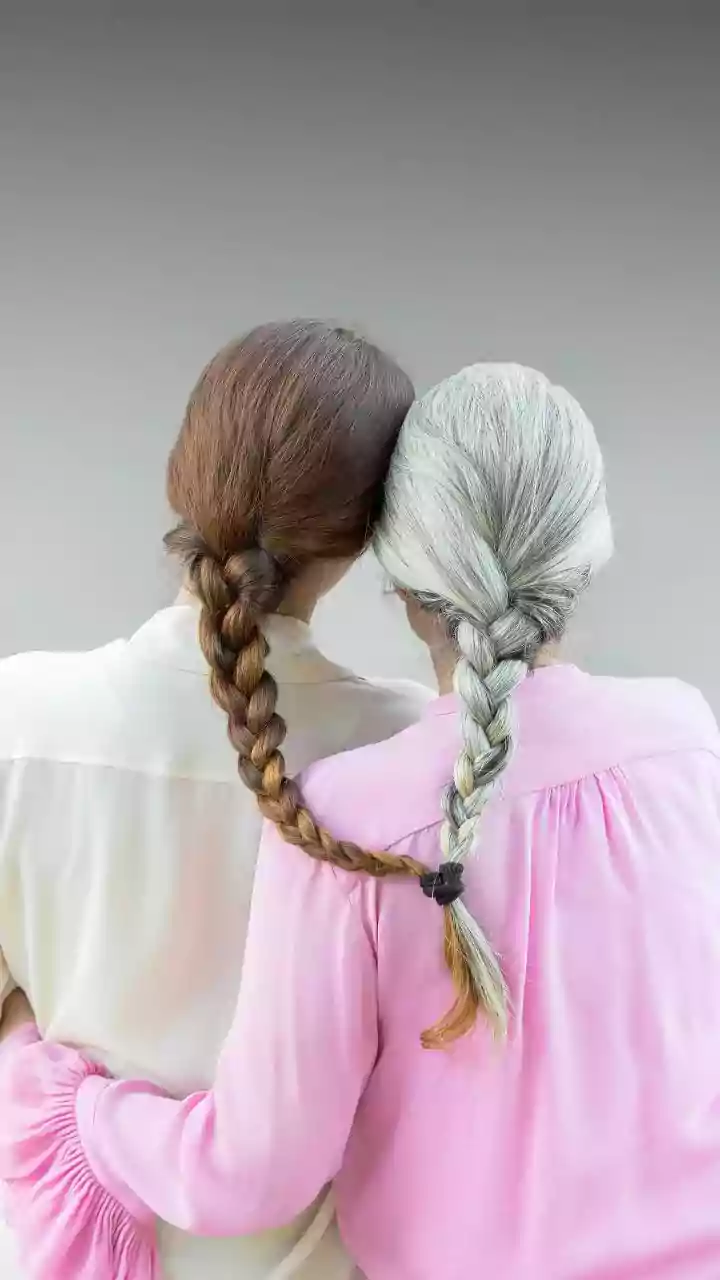


For those with fine hair, a thick, luscious plait can feel like an impossible dream. But a simple, temporary solution is changing the game, giving you the full, voluminous braid you've always wanted. Here’s how it works.
Why Clip-Ins Are a Game-Changer
A classic plait can often highlight
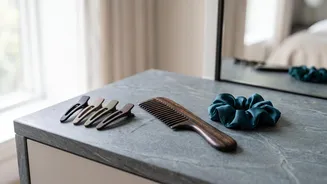
a lack of density in fine hair, resulting in a thin braid that tapers into wispy ends. Clip-in hair extensions offer a brilliant, non-committal solution. They instantly add volume and length exactly where you need it, creating the foundation for a braid that looks substantial from root to tip. Unlike more permanent options, clip-ins can be applied and removed at home, giving you complete control over your look without damaging delicate strands. The key is to learn how to place and integrate them so they remain completely undetectable.
Choosing Your Perfect Match
The secret to a natural-looking braided style starts with the right extensions. For fine hair, it's crucial to select lightweight wefts that won't cause strain on your roots. Look for 'seamless' or 'invisible' clip-ins, which feature a thin silicone base that lies flat against the scalp, preventing tell-tale bumps. When it comes to material, 100% Remy human hair is the top choice because it can be styled with heat and blends more naturally with your own hair's texture. A perfect color match is also essential. Many brands offer a wide range of shades, and some stylists recommend blending two similar colors for a more dimensional, natural effect.
Prep Your Hair for a Secure Hold
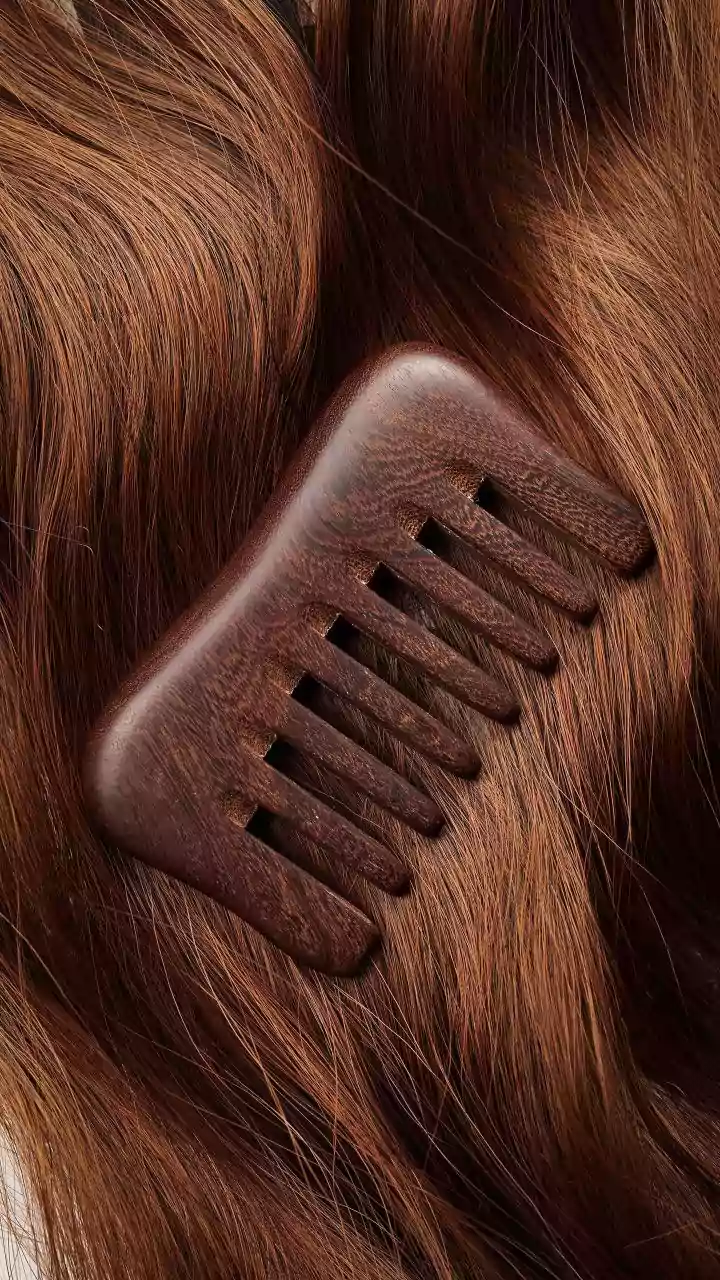
Fine hair can be silky and slippery, making it difficult for clips to grip securely. A little preparation can make all the difference. Start with clean, completely dry hair. At the root of each section where you plan to place a weft, create a bit of texture. You can do this by lightly teasing the hair with a comb or spraying a small amount of dry shampoo or texturizing spray. This added grit provides a stable base for the clips to hold onto all day without sliding. Some people even create a tiny, hidden horizontal braid to clip the weft into for an ultra-secure anchor.
Strategic Placement for Seamless Braids
Where you place your clip-ins is crucial for a hidden, natural look, especially with braids. The golden rule is to leave a sufficient perimeter of your own hair around your hairline and part to cover the wefts. Avoid placing wefts too high on your head. For a standard single plait that starts at the nape, concentrate the wefts in the lower half and back of your head. For French or Dutch braids, your placement strategy needs to adapt. You might place smaller wefts vertically along the sides, ensuring they are hidden under the sections of hair you'll be gathering for the braid. The goal is for the wefts to add bulk from within, not be visible from the outside.
The Technique for Weaving Your Plait
Once your extensions are securely in place, it's time to braid. Brush through your hair gently to blend the extensions with your natural strands. As you create your braid—whether it's a classic three-strand, French, or Dutch style—incorporate the extension hair into each section just as you would your own hair. Try to maintain even tension, but avoid braiding too tightly, as this can pull on your roots and risk exposing the wefts. A slightly looser, more relaxed braid is often more forgiving and looks more modern. Combining your natural hair with the extension hair in each strand is the key to a seamless blend.
Final Touches for a Flawless Finish
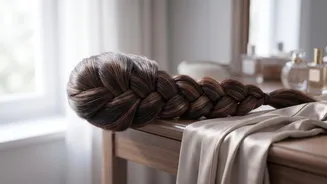
The final step to achieving that enviable, thick plait is a technique called 'pancaking'. Once your braid is secured with an elastic, gently pull on the outer edges of each loop of the braid. Start at the bottom and work your way up, pulling horizontally to widen and flatten the braid. This simple action creates the illusion of much greater volume and a softer, more romantic finish. If you notice any part of a weft peeking through, you can often use the pancaking technique to adjust the hair and cover it. A light mist of flexible-hold hairspray will help keep everything in place without making your braid stiff.