




Rethinking Recovery: The Rise of Gentle Movement
For years, the recovery playbook for many exercise lovers had two options: push through the pain or complete, passive rest. However, a smarter, more effective strategy has gained significant traction: gentle movement. Also known as active recovery, it
involves low-intensity, low-impact activity performed after a strenuous workout or on a dedicated rest day. Unlike passive recovery (think: sitting still), which can sometimes lead to increased stiffness, gentle movement keeps your body in motion without adding further stress to tired muscles. The goal is not to burn calories or build more muscle, but to aid the body’s natural repair processes. This approach helps bridge the gap between a hard workout and your next one, ensuring you return stronger and less sore.
The Science Behind Moving to Heal
The magic of gentle movement lies in its ability to enhance blood circulation. After intense exercise, metabolic byproducts like lactate can accumulate in the muscles, contributing to that all-too-familiar soreness and fatigue. Low-intensity activities like walking or gentle yoga increase blood flow, which serves a dual purpose: it helps deliver oxygen and vital nutrients to your muscle tissues for repair, and it aids in flushing out these waste products more efficiently. Studies have shown that active recovery can clear accumulated lactate significantly better than passive rest. This process not only reduces the severity of delayed onset muscle soreness (DOMS) but also helps maintain muscle flexibility and can lower your risk of injury.
What Gentle Movement Looks Like
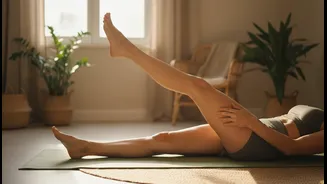
Gentle movement is a broad term that encompasses a variety of activities. The key is that the effort should feel restorative, not strenuous. If you find yourself out of breath, you’re likely pushing too hard for a recovery session. Some of the most effective and popular forms include: Walking or Light Cycling: Perhaps the most accessible form of active recovery, a slow walk or a casual bike ride keeps muscles moving and blood flowing without high impact. Gentle Yoga or Flow: A slow-paced yoga session focusing on foundational poses and deep breathing can release muscle tension, improve flexibility, and calm the nervous system. Poses like Child's Pose and gentle spinal twists are particularly beneficial. Mobility Work: These are exercises designed to move your joints through their full range of motion. Think shoulder circles, hip rotations, and ankle mobilization drills. This helps to combat the stiffness that can settle in after a workout and improves your overall movement quality. Swimming: The buoyancy of water makes swimming an excellent low-impact option. It allows for full-body movement without putting stress on your joints, and some believe the water pressure can help reduce inflammation. Tai Chi: This ancient practice involves slow, flowing movements combined with deep breathing. It enhances balance, flexibility, and body awareness, making it a perfect gentle recovery tool.
Putting It into Practice
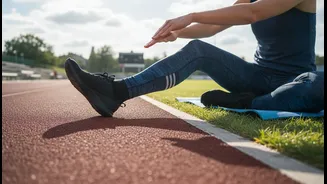
Incorporating gentle movement into your routine is simple. You can use it in several ways for maximum benefit. One popular method is as a cool-down immediately following a workout. Instead of coming to an abrupt stop, spend 5-10 minutes walking or doing some light stretching to gradually bring your heart rate down. Another approach is to schedule active recovery days. On the day after a particularly gruelling workout, instead of taking the day off entirely, go for a 20-30 minute walk, attend a gentle yoga class, or spend some time with a foam roller. The key is to listen to your body. Active recovery should feel good. If you are injured, in sharp pain, or feeling extreme fatigue, passive rest might be the better choice. But for general muscle soreness, a little bit of gentle movement can make a world of difference.