



The End of the ‘Museum-Like’ Home
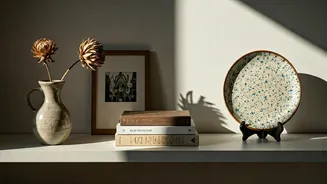
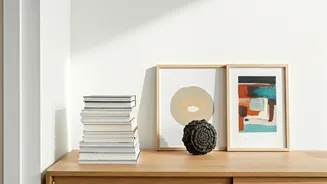
For over a decade, a specific aesthetic reigned supreme: clean lines, neutral palettes, and a distinct lack of clutter. Influenced by social media feeds filled with pristine, catalogue-perfect rooms, many strived for a home that felt untouched and orderly.
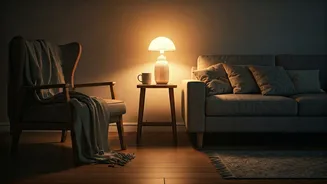
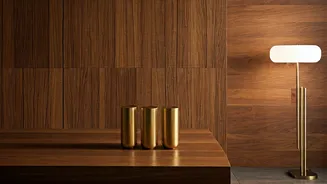
This minimalist approach, often dominated by shades of grey and stark white, promised a sense of calm in a chaotic world. However, designers and homeowners are increasingly finding that this pursuit of perfection can feel cold, impersonal, and even stiff. A space where a single misplaced glass can ruin the entire vibe is not a space designed for real life. The consensus is growing that homes should be inviting and feel like they can be touched, not like sterile galleries.
A Joyful Rebellion Against Beige
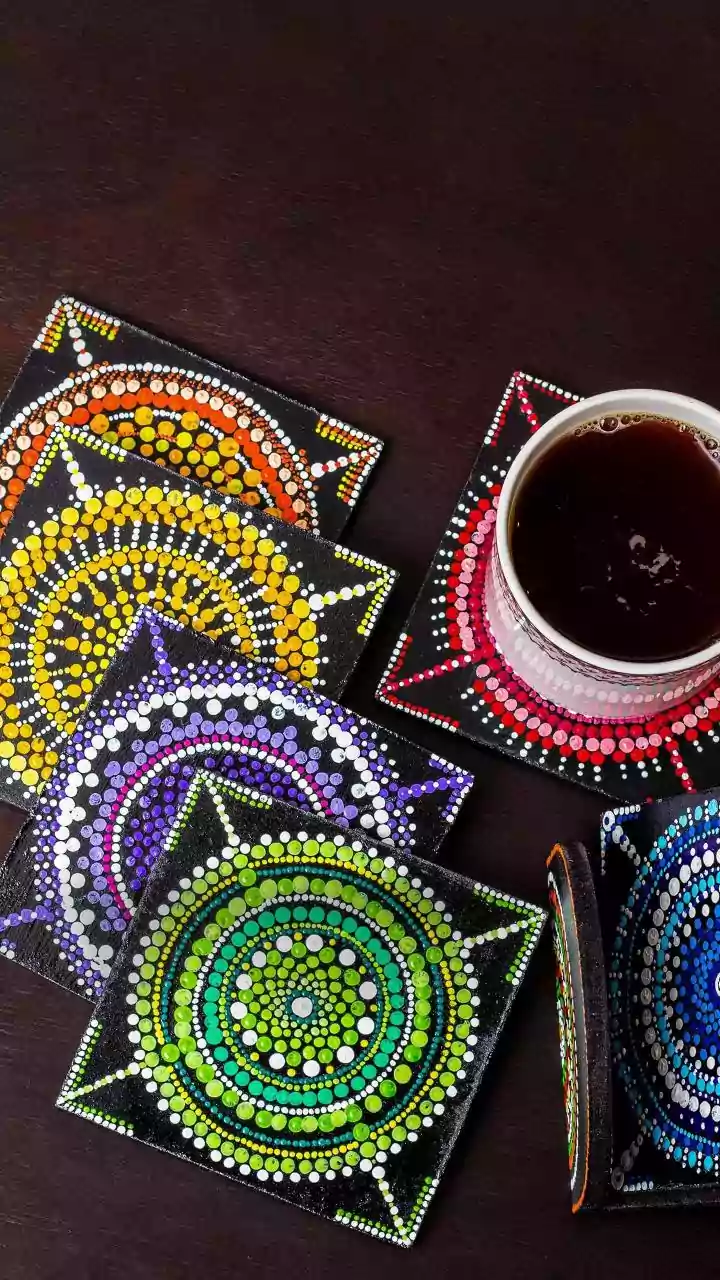
The shift away from minimalism is not just about accepting a little mess; it's a full-blown embrace of personality and joy. Enter trends like "dopamine decor" and maximalism, which are seeing a massive surge in popularity. This movement is a direct response to years of staring at neutral walls, with a collective desire for spaces that spark positive feelings and offer emotional resilience. Dopamine decor is a design philosophy centred on using bright colours, playful patterns, and nostalgic items to create a home that genuinely makes you feel good. This isn't about creating clutter, but rather a "curated abundance" where homes feel layered, expressive, and deeply personal. It’s a rebellion against uniformity and a celebration of self-expression.
Why Lived-In Is the New Luxury
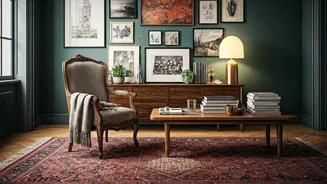
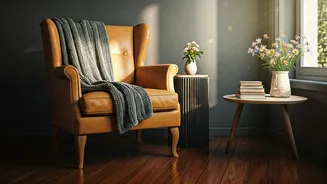
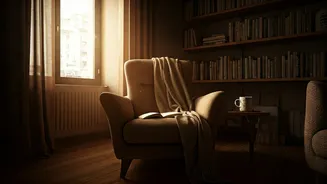
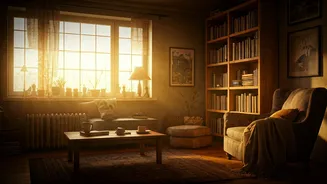
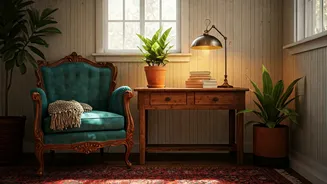
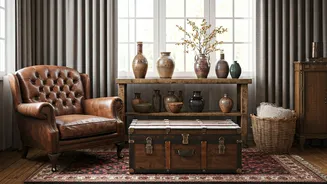
What was once seen as a flaw—a worn patch on a sofa, a faint ring on a coffee table—is now being re-evaluated as a sign of a life well-lived. The new definition of a luxurious home prioritises comfort and authenticity over artificial ideals. This concept, sometimes called "lived-in luxury," embraces softness, texture, and a sense of story. There's a growing appreciation for the charm that comes from pieces that have evolved over years, such as inherited furniture, vintage finds, and handmade objects. This approach, also known as "slow decorating," prioritises thoughtful, long-term decisions over instant gratification and trend-driven purchases. It also champions sustainability, as reupholstering an old chair or finding a unique antique is more environmentally friendly than buying fast furniture.
How to Embrace Imperfect Charm
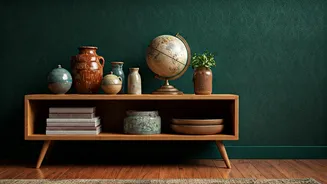
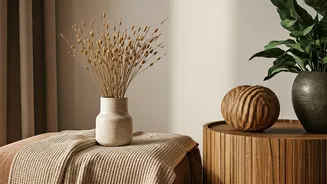
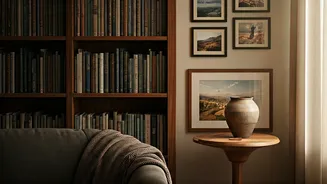
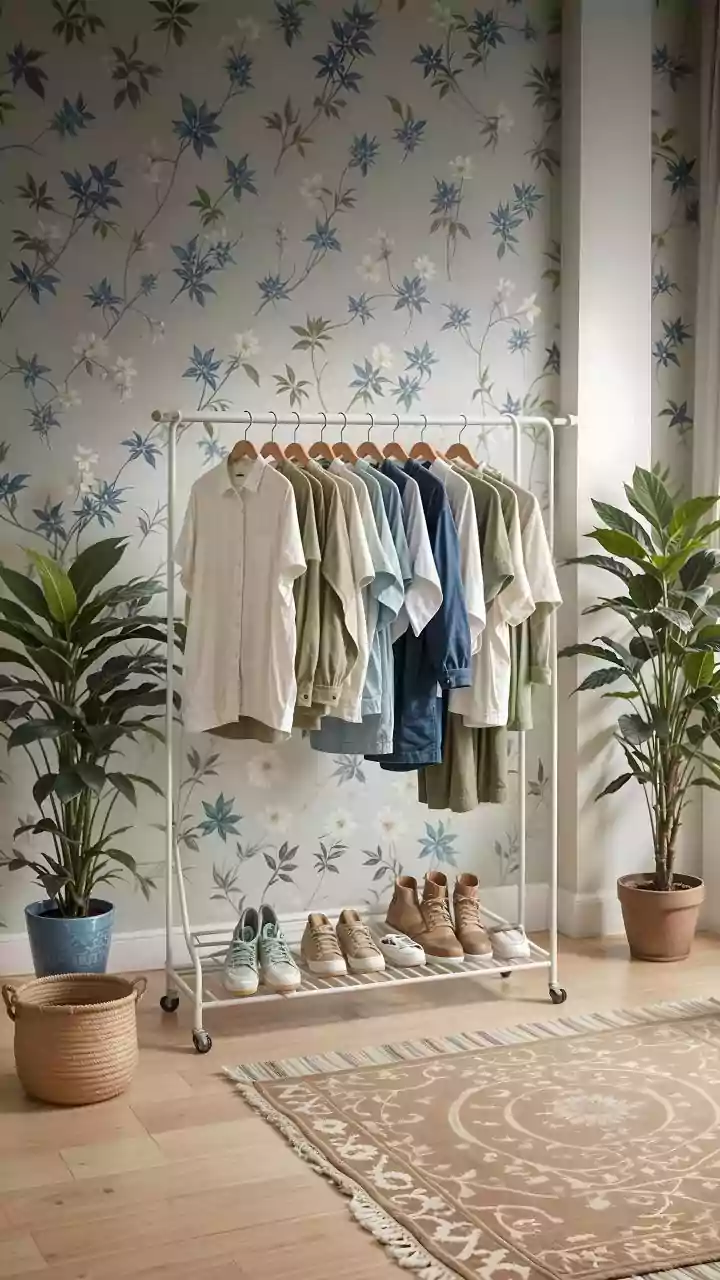
Adopting this new mindset doesn’t mean letting your home descend into chaos. It’s about intentional choices that reflect who you are. Start by mixing old and new pieces; a modern sofa can be beautifully paired with a vintage lamp or an antique mirror. Layering different textures—like velvet, wool, linen, and rustic wood—is key to making a space feel warm and alive. Most importantly, display items that tell your story. Whether it's art hung slightly off-centre, an imperfect stack of beloved books, or mementos from your travels, these personal touches are what transform a house into a home. The goal is to create harmony that feels human, not a formulaic room that could belong to anyone.