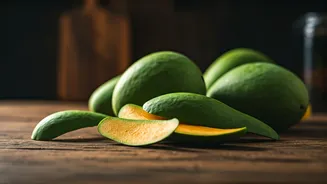





Why Bother with Mango Peels?
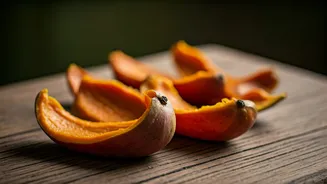
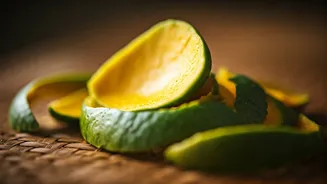
In the quest for a more sustainable kitchen, the humble mango peel is an unsung hero. It’s easy to dismiss it as waste, but that colourful outer layer is surprisingly nutritious. Mango peels are packed with dietary fibre, which aids digestion, and they
contain a wealth of antioxidants like polyphenols and carotenoids. [2, 3, 5] They are also a source of vitamins A, C, and E. [4, 7] By saving and using the peels from raw or sour mangoes, you not only reduce household waste but also capture these valuable nutrients. This practice taps into a long-standing Indian tradition of using every part of a plant, from root to leaf, ensuring nothing goes to waste. [8, 10]
A Note on Safety and Preparation
Before you start, safety is key. Mango peels can have two main issues: pesticide residues and a compound called urushiol, which can cause allergic reactions in some people, similar to poison ivy. [6, 7, 14] To be safe, it is highly recommended to use peels only from organic mangoes that you know are free from chemical sprays. Regardless, always wash the mangoes thoroughly before peeling. A good practice is to soak them in a solution of water with a bit of salt and turmeric or baking soda for 15-20 minutes, then scrub gently and rinse under running water. [12] This helps clean the surface thoroughly before you begin.
From Peel to Powder: A Step-by-Step Guide
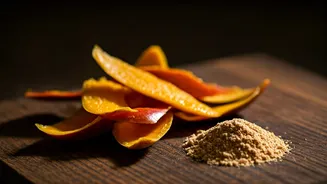
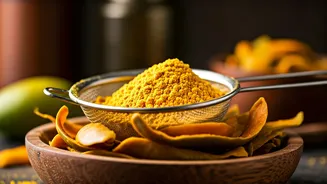
Transforming peels into a shelf-stable powder is a simple process of drying and grinding, much like making traditional amchur from mango flesh. [18, 19] 1. **Peel and Collect:** Use peels from sour, unripe mangoes. You can collect them over a few days and store them in the fridge. 2. **Sun-Dry or Dehydrate:** The most traditional method is sun-drying. Spread the peels in a single layer on a clean cloth or tray and leave them in the hot sun for two to four days, bringing them inside at night. [19] They are ready when they are completely moisture-free and snap easily. Alternatively, you can use an oven set to its lowest temperature or an air fryer at around 80°C for a few hours until the peels are brittle and crisp. [18, 22] 3. **Grind to a Fine Powder:** Once the dried peels have cooled completely, transfer them to a high-powered spice grinder or mixer jar. Grind them in batches until you achieve a fine, consistent powder. [22] You may need to sieve the powder to remove any larger, fibrous bits for a smoother texture. 4. **Store Correctly:** Store your homemade sour mango peel powder in a clean, dry, airtight glass jar. Kept away from moisture and sunlight, it can last for several months, just like other spices. [22]
How to Use Your Homemade Powder
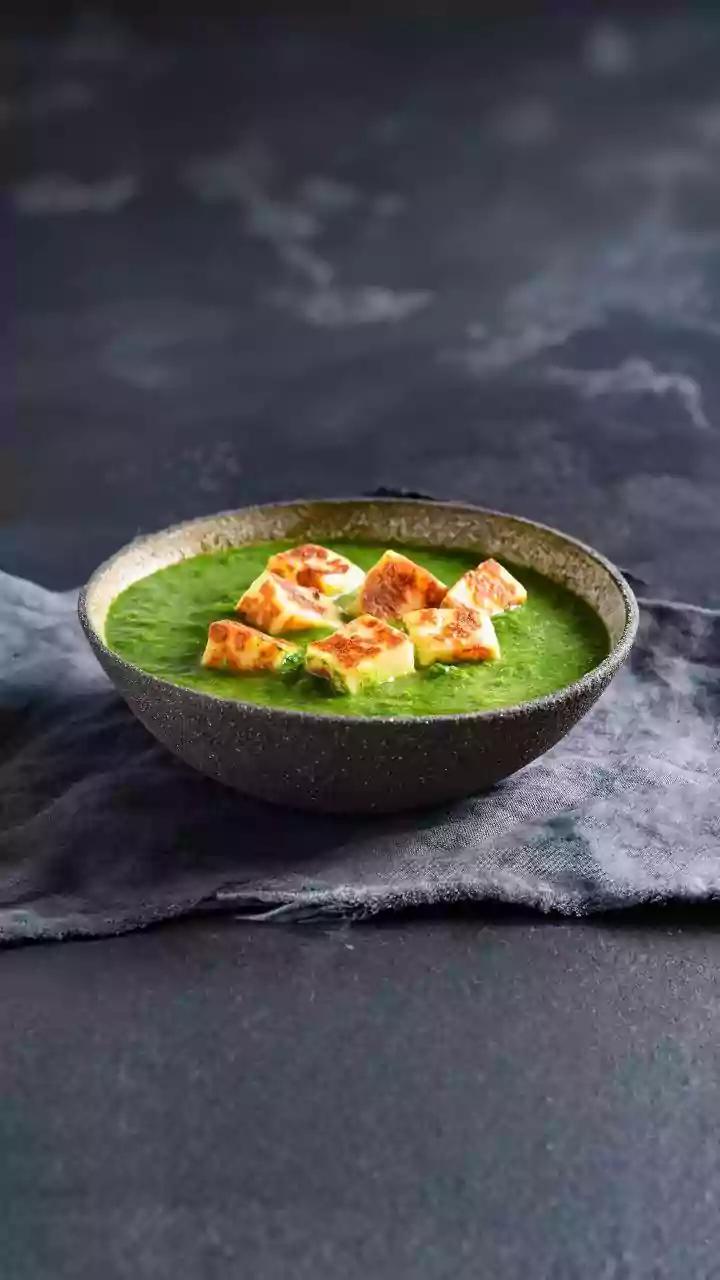
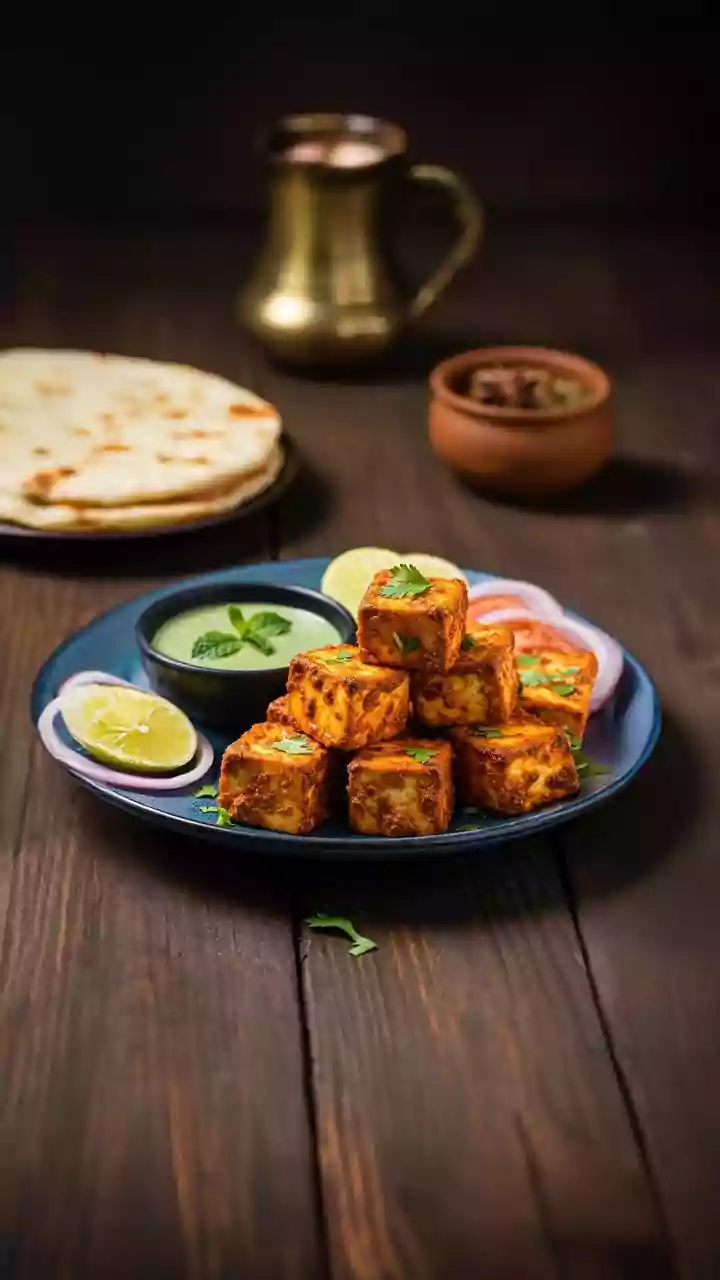
This tangy, flavourful powder is incredibly versatile. Its sour profile makes it an excellent homemade substitute for amchur (dry mango powder). You can use it to add a tart kick to a variety of dishes. Sprinkle it into dal, sabzis, and curries to balance flavours. Use it as a souring agent in marinades for paneer or meat, or add it to chaat masala blends. A pinch can liven up a glass of nimbu pani or a simple salad dressing. It's also a great way to add extra fibre and a tangy punch to smoothies and chutneys. [13, 27]
Beyond the Powder: More Zero-Waste Mango Ideas
Embracing a zero-waste philosophy doesn’t stop with the peel. The mango seed, or 'gotli', also holds potential. In many Indian households, the cleaned and dried seed kernel is roasted and thinly sliced to make a nutty, digestive 'mukhwas'. [23] The kernel can also be dried and powdered, and is used in some traditional remedies. [17, 20] Even fresh peels that you don't turn into powder can be used to make a tangy peel chutney or a peel-infused tea. [26, 28] These small habits, passed down through generations, are what make the Indian kitchen a model of sustainability. [15]