








Decoding the Viral Sensation
The term “3 30 Challenge” has become a catch-all for a few different viral routines, which can be confusing. However, two main versions have risen to prominence, both celebrated for their simplicity and effectiveness. The first is the “30-30-30” rule,
a morning routine that combines nutrition and exercise. The second is the “12-3-30” workout, a specific treadmill method. Though their rules differ, they share a core appeal: they offer a clear, manageable structure that helps remove the guesswork from building a healthier lifestyle, making them feel more achievable than complex fitness plans.
The ’30-30-30’ Rule Explained
Popularized by biologist Gary Brecka and first detailed in Tim Ferriss's book “The 4-Hour Body,” the 30-30-30 rule is a three-part morning habit. It dictates that you consume 30 grams of protein within 30 minutes of waking up, followed by 30 minutes of low-intensity, steady-state (LISS) cardio. Steady-state cardio is any aerobic activity, like a brisk walk or light cycling, where your heart rate remains stable—low enough that you could hold a conversation. The principle is that this combination jumpstarts your metabolism, helps stabilize blood sugar for the day, and encourages your body to burn fat for fuel.
The ’12-3-30’ Method Explained
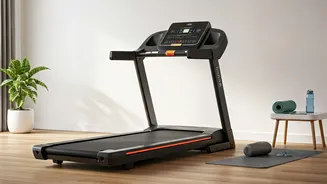
The other massively popular routine is the “12-3-30” workout, created by social media influencer Lauren Giraldo. She developed it as a way to overcome feeling intimidated by the gym. The formula is elegant in its simplicity: you set a treadmill to a 12 percent incline, adjust the speed to 3 miles per hour, and walk for 30 minutes. It’s essentially a structured, intense uphill walk. The steep incline engages the lower body muscles—including glutes, hamstrings, and calves—more than walking on a flat surface, providing both a cardiovascular workout and a low-impact strengthening session.
The Secret to Its Viral Success
So, why has this concept taken over? A huge part of the appeal is its accessibility. Unlike intimidating, high-intensity workouts, these challenges are built around walking, an activity most people can do. The clear, numerical rules—12-3-30 or 30-30-30—are easy to remember and follow, eliminating the decision fatigue that often comes with starting a new fitness routine. For many, it's a “just do this one thing” approach that feels manageable. The routines are also highly shareable on platforms like TikTok, where users post their progress and results, creating a sense of community and inspiring others to try it for themselves.
What the Science Says About the Benefits
Beyond the anecdotal success stories, there is science to support the principles behind these challenges. For the 30-30-30 rule, starting the day with a high-protein breakfast is shown to increase feelings of fullness, which can help reduce overall calorie intake throughout the day. It also helps stabilize blood sugar levels, preventing the energy crashes that often follow carb-heavy breakfasts. The exercise portion leverages the benefits of low-intensity cardio, which is effective for fat burning and improving cardiovascular health without putting major stress on the joints. Similarly, the 12-3-30 workout is a potent form of low-impact cardio that builds lower-body strength and endurance.
Is This Challenge Right For You?
While these challenges are popular, it's important to approach them thoughtfully. If you're new to the 12-3-30 workout, a 12 percent incline can be very challenging. Experts suggest starting with a lower incline and gradually increasing it as your fitness improves to avoid strain or injury. For the 30-30-30 rule, while the timing is a helpful guide, don't stress over hitting the 30-minute mark exactly; the key is consistency in starting your day with protein and movement. The most important thing is to listen to your body, choose the routine that fits your lifestyle, and remember that the best workout plan is one you can stick with consistently. A balanced approach that includes strength training is also recommended for long-term results.